
Health
Integrated Healing for Lasting Wellness

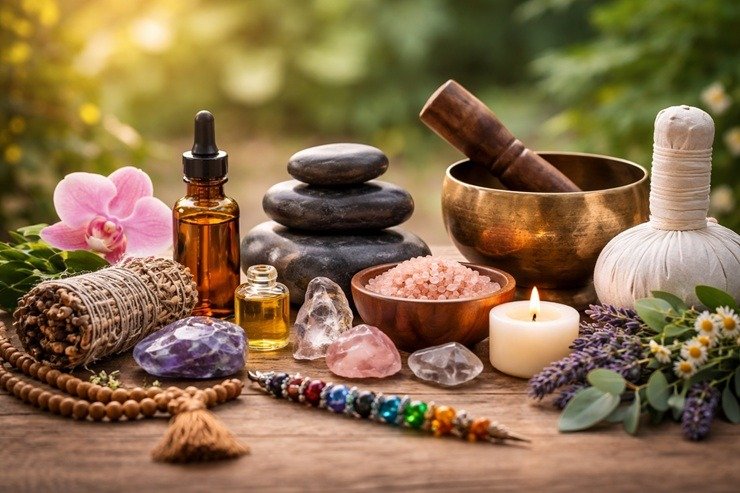
Achieving lasting wellness today means going beyond treating symptoms; it requires embracing the full interconnectedness of body, mind, and spirit. As awareness grows, holistic healing is emerging as a powerful, comprehensive path to sustainable health. For those seeking genuine transformation in their well-being, holistic healing combines diverse modalities, traditions, and personal insights. Learn more about holistic healing, therapies, and wellness journeys at https://villakalima.com.
Whether seeking relief from chronic stress or simply wishing to feel more energized and fulfilled, holistic healing encourages individuals to recognize the intricate tapestry that makes up their whole selves. By integrating ancient wisdom, modern science, and personal growth strategies, this approach offers practical tools for balance and vitality in everyday life.
Understanding Holistic Healing
Holistic healing centers on the belief that all aspects of health—physical, emotional, mental, social, and spiritual—are intimately connected. Rather than compartmentalizing health issues, holistic practitioners see each person as a whole, emphasizing root causes and lifestyle factors over symptom suppression. This viewpoint acknowledges the uniqueness of each individual’s needs and healing timeline, empowering people to participate in their own self-care and recovery actively.
Mind-Body-Spirit Connection
Modern science is increasingly validating what many ancient traditions have long taught: the mind, body, and spirit are deeply intertwined. Stress, for instance, impacts immune function, while physical activity can elevate mood and foster spiritual clarity. Integrative modalities, such as yoga, meditation, breathwork, and qigong, stand at the forefront of this holistic trend, offering accessible ways to align physical vitality, emotional resilience, and mental clarity. Practicing these regularly can pave the way for profound self-discovery and holistic wellness.
Through this integrated perspective, individuals learn to listen to their bodies’ needs, honor their emotions, and cultivate an inner sense of purpose. The Harvard Health Publishing resource on the gut-brain connection is one example of the growing recognition of how intimately linked our systems are—and why holistic practices can help support overall health.
Nature-Based Therapies
Spending time in nature has been shown to have numerous benefits for both mental and physical health, including reducing stress hormones, enhancing mood, and improving immune function. Forest bathing (Shinrin-yoku), embracing the Japanese tradition of mindful immersion in the forest, offers remarkable stress-reducing benefits, according to research highlighted by National Geographic.
Other nature-based modalities, such as horticultural therapy and equine therapy, put individuals in direct contact with plants or animals. Gardening cultivates patience and nurturance while providing measurable boosts to mood and self-worth. Equine therapy, through its unique connection with horses, offers powerful ways to build trust, emotional awareness, and confidence. These experiences foster a sense of belonging and connection—both within oneself and beyond.
Energy-Based Modalities
Energy medicine—the belief that subtle energy fields within and around the body can be balanced to achieve optimal well-being—has gained momentum as both research and anecdotal success stories accumulate. Reiki uses gentle touch to transmit healing energy; recipients often report feeling calm, centered, and restored. Acupuncture, rooted in Traditional Chinese Medicine, involves placing thin needles along specific energy meridians to release blockages and encourage the body’s natural healing mechanisms. Qigong intertwines movement, breathing, and mindful awareness to harmonize and vitalize the body’s energy system.
These techniques offer practical avenues for relief from tension, anxiety, pain, and lingering dis-ease—providing both immediate comfort and long-term transformation. Many integrative health clinics now recommend energy-based modalities as adjuncts to conventional treatment, underscoring their growing acceptance and benefits.
Personalized Wellness Plans
As technology progresses, so too does the ability to tailor wellness plans to an individual’s unique body chemistry, genetics, and lifestyle. Tools such as DNA tests or wearable wellness trackers can unlock insights about everything from nutritional sensitivities to optimal sleep-wake cycles. Personalized nutrition—adapting diet and supplementation based on individual biomarkers—can address issues such as nutrient deficiencies, hormonal imbalances, or metabolic slowdowns.
With such advancements, practitioners can now support each client’s distinct journey and needs rather than deploying one-size-fits-all advice. The future of holistic healing promises even deeper customization, leading to sustainable improvements in energy, digestion, immune support, and overall wellness outcomes.
Spiritual Exploration and Growth
Holistic healing’s scope expands into spiritual well-being as more people crave deeper meaning, ritual, and connection. Many are rediscovering ancient traditions—such as Ayurveda, Traditional Chinese Medicine, and Indigenous rituals—and incorporating these into their modern self-care routines. This spiritual exploration can involve practices such as prayer, sound healing, journaling, or attending group circles, each offering ways to reflect, connect, and find greater purpose.
The quest for spiritual growth is highly personal. It can create a profound sense of resilience, hope, and belonging, rounding out the holistic picture of wellness and providing enduring peace and clarity.
Integrative, Team-Based Approaches
Recognizing that no single practitioner can cover all aspects of well-being, integrative health now emphasizes the importance of teamwork. Holistic nutritionists, physicians, acupuncturists, therapists, and coaches are collaborating to deliver comprehensive, patient-centered care. This collaborative model eliminates gaps, fosters effective communication between providers, and results in more comprehensive support, ultimately enhancing each person’s experience and success on their healing journey.
Conclusion
Embracing holistic healing creates pathways for sustainable health by honoring the dynamic interplay between mind, body, and spirit. Incorporating nature-based rituals, energy practices, personalized wellness planning, and spiritual development helps individuals cultivate a life of balance, resilience, and fulfillment. Staying informed about new trends and building relationships with diverse practitioners ensures a thriving, integrated approach to well-being—a journey that truly encompasses the whole self.














The Overlooked Parts of Personal Health That Matter More Than You Think

Here is What Road Travelers Need to Know about Navigating Dense Urban Traffic Corridors

How Exploring Portugal Pathways Enhances Your Cultural Experience

How Microneedling Treatment at Anne Therese Transforms Skin Texture

Why Saying “Yes” is More than a Milestone: It’s a Mindset Shift

Success at Work, Meaning at Home: Redefining What a Successful Life Looks Like

Hit by a Lyft Driver? Steps to Protect Your Health and Your Claim

How Financial Planning Can Help You Build a More Secure Future

Underground Water Leak Detection Services: Essential Considerations for Homeowners

Why People Wear Fragrance Even When They’re Staying Home

100 Motivational Quotes to Inspire You in 2026

How to Create a Vision Board That Actually Works (2026)

22 Best Self-Help Books to Read in 2026

How to Achieve Personal Growth in 2026

New Year Wishes and Quotes to Inspire and Celebrate (2026)

Loeb Smith reviews: Why Crypto Licensing Demands Patience, Structure, and Skepticism

From Denver to Vail: Secrets, Snow, and Soul of the Rockies

How to Choose the Best Manali Tour Package for a Family-Friendly Vacation?

Your Guide to Building the Life You Want as a Medical Professional

Romantic Cabins In Tennessee: A Guide to Location, Privacy, And Scenic Views
-

 Motivation6 years ago
4 Fun New Hobbies To Try This Year
-

 Quotes4 years ago
53 Motivational Gym Quotes to Fuel Gym Workout
-

 Quotes11 years ago
50 Most Powerful Quotes Ever Spoken
-

 Travel2 years ago
Why You Should Travel More: The Many Benefits of Seeing the World
-
 Quotes10 months ago
100 Motivational Quotes to Inspire You in 2026
-

 Quotes3 years ago
43 Inspirational Quotes About Thoughts
-

 Quotes4 years ago
Motivational Quotes by Famous People
-

 Quotes1 year ago
100 Motivational Quotes to Start Your Day with Positivity