
Health
Why Controlled Resistance Training Is Winning Over Traditional Workouts

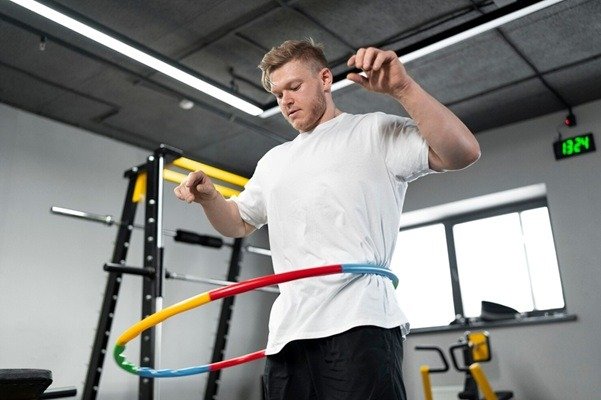
Traditional workouts can feel productive fast. The sweat comes quickly. The muscles burn. The timer looks impressive. Then the same aches show up again. Progress also starts slowing down.
Controlled resistance training is growing because it solves that loop. It gives strength and more structure. It also reduces the need to chase intensity every session. The focus shifts to control, quality reps, and steady progress.
This approach is not soft. It can be brutally challenging. The difference is that the effort stays organised. That makes results more repeatable over months.
Traditional Workouts Often Reward Speed Over Skill
Many popular workouts reward speed. More reps win. Faster rounds win. Shorter rest wins. That can be fun, but it has a cost.
Speed often hides weak links. The hips stop doing their job. The lower back takes over. The shoulders shrug up. The neck tightens. The body still works hard, but the pattern gets messy.
Messy patterns usually limit progress. The brain learns the fastest way to survive the set. That is rarely the best way to get stronger. It is also why people feel “fit” but still feel stiff.
Controlled resistance training flips the priority. Skill comes first. Speed becomes optional.
Controlled Resistance Training Changes The Rules
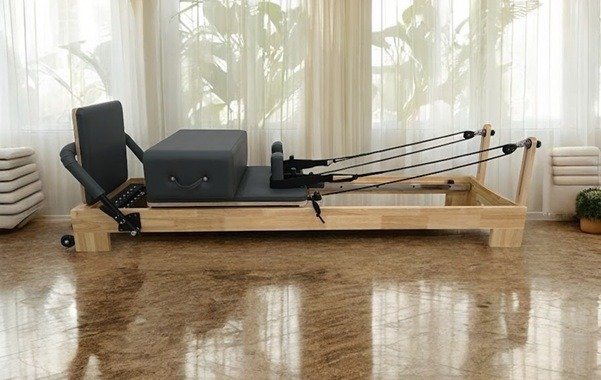
Controlled resistance training is simple to understand. The load moves under control. The joints stay stacked. The breathing stays steady. For anyone building a home setup around this method, it can help to buy a reformer pilates machine and use it for structured, repeatable progress.
This style often uses slower lowering phases. It also uses clean pauses. It uses a range that stays strong. It avoids grinding through ugly reps.
Control changes the stimulus. Muscles do more work per rep. Joints get less shock. Tendons and stabilisers also get better input. The body learns stronger positions, not only stronger muscles.
That is why this style “wins” for many people. It works with the body, not against it.
Why Time Under Tension Beats Random Fatigue
Random fatigue is easy to create. A hard circuit does that. A long run can do that. Fatigue alone does not guarantee better strength.
Time under tension is different. It is planned fatigue. It is fatigue while keeping in shape. It builds strength with less chaos, and Harvard guidance on time under tension explains why slower reps can increase training effect.
A simple example explains it. A slow, controlled squat pattern can feel harder. It uses fewer reps, but more quality effort. The legs and trunk stay engaged longer. The body also learns control at the bottom range.
This is why controlled training often feels “harder” in a calmer way. It builds pressure without panic.
Why Joints Usually Prefer Control
Most joints respond well to clean mechanics. They like stable positions. They like predictable movement. They like a load that increases gradually.
Fast, sloppy reps can overload small structures. The big muscles then stop sharing the work. That is when irritation builds. It is also when training becomes inconsistent.
Controlled resistance training reduces that risk, not by avoiding effort, but by organising it. Range stays smooth. Tempo stays steady. Alignment stays repeatable.
This also supports posture. Posture is not a pose. It is endurance in good positions. Controlled reps train those positions under load. That carries into daily movement.
Progress Feels Easier When The Rules Stay Simple
Many people stall because progress feels unclear. They change workouts every week. They also chase new moves instead of better reps. The brain never gets good at anything.
Controlled resistance training keeps progress simple, and WHO strength activity guidance also supports regular muscle-strengthening work each week.
The most reliable levers look like this:
- Add a few reps while keeping the same tempo
- Slow the lowering phase by one second
- Add a short pause in the hardest position
- Increase range only when control stays clean
- Increase resistance only when breathing stays calm
This style of progress can feel boring. That is a good sign. Boring progress usually sticks.
Home Training Is Driving The Shift
Home training has changed. People want real results at home now. They also want less wasted time commuting. They want a setup that supports progression.
That is why controlled resistance options are trending. Springs, cables, and adjustable resistance tools fit home spaces well. They also allow quick changes without swapping heavy weights.
Pilates-style resistance training fits this shift, too. It is built around control, alignment, and repeatable patterns. Equipment can also make progression smoother for home use.
Why High-Intensity Pilates Styles Are Getting Attention
Many people want hard training without constant impact. That demand is rising in Australia. It is also rising in busy city lifestyles everywhere.
High-intensity Pilates formats fit that need. They combine resistance with long sets and strict control. They feel athletic without the same pounding as jumps and sprints.
Some people first discover this style through popular studio formats. Then they start looking for alternatives at home. Sculptformer sits in that high-intensity category. It is often considered by people who compare this style of training.
Language matters here. Brand names in this space are trademarks of their owners. The point is not copying a method. The point is meeting a training need. That need is high effort, low impact, and structured progression.
The Mindset Shift That Makes This Work Long-Term
Controlled resistance training is not only physical. It changes how people think about training.
Traditional workouts can create an “all or nothing” mindset. If the session is not brutal, it feels pointless. That mindset burns people out.
Control training rewards consistency. It rewards showing up. It rewards cleaner reps. It makes progress feel earned, not random.
It also supports better self-awareness. Small form changes become obvious. Breathing changes become obvious. Weak links become clear. That feedback loop is powerful.
The result is better training decisions. Better decisions lead to better results.
How To Start Without Overhauling Everything
A full reset is not needed. A simple upgrade in training rules is enough. Start by making one session per week a “control session.”
Use these rules for that session:
- Keep reps smooth and repeatable
- Use a slower lowering phase
- Stop before form breaks
- Keep breathing steady
- Track one progression lever only
That single change often improves everything else. Other sessions start feeling cleaner, too. Recovery also improves because chaos drops.
Once control becomes normal, intensity becomes safer. It also becomes more effective.
Final Thoughts
Controlled resistance training is winning because it is sustainable. It builds strength without constant breakdown. It also makes progress clearer and more repeatable.
Traditional workouts can still have a place. The difference is that control should lead. When control leads, intensity becomes a tool, not a trap.
If training has felt noisy, control is the upgrade. It makes strength feel stronger. It also helps the results last longer.










Top 5 Cloud Mining Platforms in 2026: A Guide to Passive Income Mining for $3,700

Simple Daily Habits for Better Spinal Health

Preventive Dental Care And Whole-Person Health: A Practical Guide

A Buyer’s Guide to Evaluating Knoxville, Tennessee Neighborhoods

How Structured Alarm Data Can Help Emergency Communication Centers Work More Efficiently

Digestive Changes During Cancer Treatment: What’s Normal, and What Helps

How AI Image Creators Are Changing Visual Content Creation

How to Plan International Gifts Without Last-Minute Stress

7 Simple Home Maintenance Tasks That Can Prevent Expensive Repairs

Beyond Website Traffic: 7 Digital Marketing Signals That Reveal Who Is Ready to Buy

100 Motivational Quotes to Inspire You in 2026

How to Create a Vision Board That Actually Works (2026)

22 Best Self-Help Books to Read in 2026

How to Achieve Personal Growth in 2026

New Year Wishes and Quotes to Inspire and Celebrate (2026)

Loeb Smith reviews: Why Crypto Licensing Demands Patience, Structure, and Skepticism

Custom Cover Letter Generator: Create Tailored Letters in Minutes

How to Leverage Personal Development for Career Advancement

Top Fitness Coach Certification Programs for Aspiring Trainers

From Denver to Vail: Secrets, Snow, and Soul of the Rockies
-

 Motivation6 years ago
4 Fun New Hobbies To Try This Year
-

 Quotes4 years ago
53 Motivational Gym Quotes to Fuel Gym Workout
-

 Quotes11 years ago
50 Most Powerful Quotes Ever Spoken
-

 Travel2 years ago
Why You Should Travel More: The Many Benefits of Seeing the World
-
 Quotes9 months ago
100 Motivational Quotes to Inspire You in 2026
-

 Quotes2 years ago
43 Inspirational Quotes About Thoughts
-

 Quotes4 years ago
Motivational Quotes by Famous People
-

 Quotes1 year ago
100 Motivational Quotes to Start Your Day with Positivity