
Business
Four Security Habits That Successful Business Owners Never Ignore

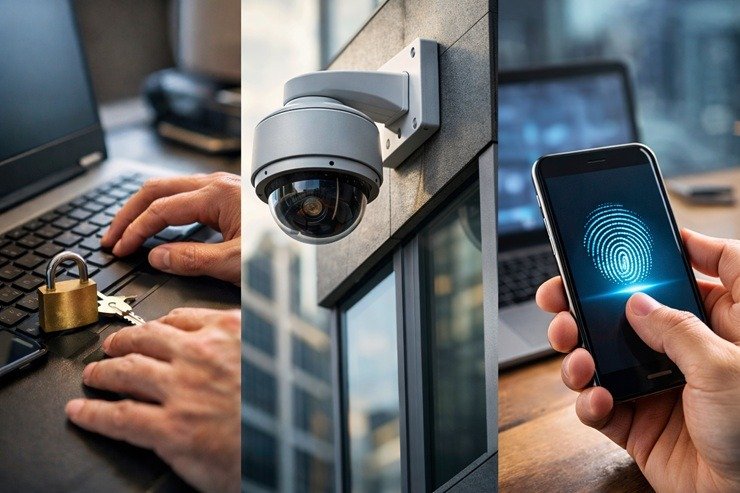
Running a successful business involves far more than managing finances and delivering products or services. One of the most overlooked factors in long-term success is security. From physical entry points to employee access management, strong security habits protect assets, staff, and sensitive information.
Experienced entrepreneurs understand that security isn’t a one-time setup but an ongoing discipline. By consistently applying smart security practices, business owners reduce risk and maintain smoother daily operations. Below are four security habits that successful business owners make part of their routine.
1. Regularly Audit and Upgrade Physical Security
One of the most important habits is treating security as a system that requires regular evaluation. Many businesses install locks and alarm systems when they first open but rarely reassess them as the company grows.
However, outdated locks, worn hardware, and older access systems can create vulnerabilities. Commercial buildings experience high traffic, which increases wear and tear on entry points and security devices. Over time, this can make locks easier to bypass or malfunction.
Successful business owners periodically review their building security and update it when necessary. This can include:
- Replacing outdated door hardware
- Installing high-security locks
- Upgrading to electronic access systems
- Reinforcing doors and entry points
Professional locksmith services can help identify weak points and recommend improvements that align with the business’s needs. For example, working with a trusted commercial locksmith Portland businesses rely on can help ensure that locks, key systems, and access controls are properly installed and maintained. These specialists often provide services such as electronic lock installation, master key systems, and security door hardware upgrades.
Making regular security audits a routine habit prevents small vulnerabilities from becoming serious risks.
2. Control and Track Access to the Workplace
Another key habit among successful business owners is maintaining strict control over who has access to their facilities.
As companies grow, employee turnover, contractors, cleaning crews, and temporary staff can complicate access management. Without clear procedures, businesses can quickly lose track of how many keys are circulating or who has access to sensitive areas.
Smart business owners implement structured access policies such as:
- Master key systems for controlled access
- Restricted key duplication
- Electronic access cards or fobs
- Zone-based access for different departments
Master key systems are particularly effective because they allow managers to access all areas while employees only have access to the spaces relevant to their roles. This approach improves both security and operational efficiency.
Rekeying locks is another common practice when employees leave the company. Instead of replacing all locks, a locksmith can adjust the internal mechanism so old keys no longer work, restoring full control over building access.
By tracking access carefully, business owners protect sensitive information, inventory, and critical infrastructure.
3. Build Security Awareness into Company Culture
Technology and physical security tools are only effective when employees understand how to use them responsibly. That is why successful business leaders actively build security awareness into their workplace culture.
Security-conscious organizations train employees to recognize risks and follow best practices, including:
- Always locking doors and restricted areas
- Never sharing keys or access codes
- Reporting lost keys immediately
- Verifying the identity of visitors or contractors
Simple habits can dramatically reduce the risk of unauthorized access. For example, leaving a side door propped open during deliveries might seem harmless, but it can create an easy opportunity for theft or intrusion.
Regular reminders and occasional training sessions help reinforce the importance of these behaviors. Some companies also create written security policies, so expectations are clear across all departments.
When security becomes part of everyday workplace behavior, businesses significantly reduce preventable vulnerabilities.
4. Respond Quickly to Security Changes or Incidents
Successful business owners don’t wait until a problem escalates before taking action. Instead, they respond quickly to even minor security issues.
Situations that require immediate attention include:
- Lost or stolen keys
- Former employees retaining access
- Damaged locks or doors
- Suspicious activity around the premises
Quick responses often involve rekeying locks, updating access credentials, or repairing compromised entry points.
For example, if an employee leaves unexpectedly, delaying security updates could allow them continued access to the building. Rekeying or reprogramming access systems immediately eliminates that risk.
Many locksmith providers also offer emergency services to address urgent lock problems, helping businesses regain control of their property quickly if a lock fails or an access issue arises. Fast responses protect both property and peace of mind.












Innovative Strategies for Engaging First-Grade Students in the Classroom

The Hidden Fees Eating Your Crypto Portfolio (And How to Avoid Them)

Premium Car Services | Professional Black Car & Executive Transport

The Strength It Takes to Prepare for Life’s Hardest Moments

Red Rocks, CO: Season Opens, Concerts Begin, and the Geology Is Still Ancient

Brand: What to Look for in a Senior Living Guide

Smart Financial Habits Every Globetrotting Entrepreneur Should Master

How Overcoming Physical Setbacks Fuels Unbreakable Mental Resilience

Improve Delivery Accuracy with Smarter Driver Navigation

Comprehensive Guide to Medication-Assisted Treatment (MAT) at SOAP MAT

100 Motivational Quotes to Inspire You in 2026

100 Motivational Quotes to Start Your Day with Positivity

22 Best Self-Help Books to Read in 2026

How to Create a Vision Board That Actually Works (2026)

Changing Your Spending Habits

How to Achieve Personal Growth in 2026

New Year Wishes and Quotes to Inspire and Celebrate (2026)

Top 50 Motivational Quotes for Success and Hard Work

Do I Have to Pay a Debt That’s Very Old?

5 Excellent Reasons for a Healthcare Provider to Utilise the Services of a Nursing Agency
-

 Motivation5 years ago
4 Fun New Hobbies To Try This Year
-

 Quotes3 years ago
53 Motivational Gym Quotes to Fuel Your Workout
-

 Travel1 year ago
Why You Should Travel More: The Many Benefits of Seeing the World
-

 Quotes10 years ago
50 Most Powerful Quotes Ever Spoken
-
 Quotes3 months ago
100 Motivational Quotes to Inspire You in 2026
-

 Quotes2 years ago
43 Inspirational Quotes About Thoughts
-

 Quotes3 years ago
105 Motivational Quotes by Famous People
-
 Quotes9 months ago
100 Motivational Quotes to Start Your Day with Positivity