
Tech
How AI Is Changing the Future of Recruitment

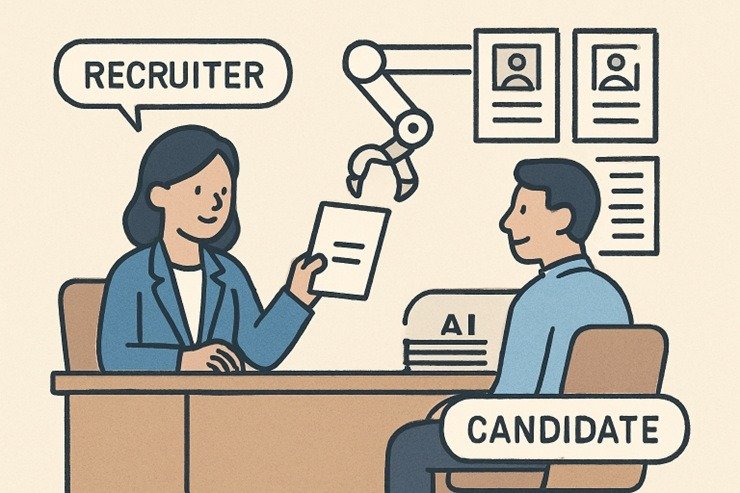
Artificial Intelligence is rapidly transforming the talent acquisition space, making significant strides in areas that were once time-consuming and prone to error. AI-powered tools provide innovative approaches that streamline recruitment and elevate candidate interactions, ushering in a new era for hiring professionals and applicants alike. Today, both employers and job seekers are witnessing major paradigm shifts in how hiring decisions are made, with AI hiring solutions leading the way by offering unprecedented speed and precision in matching talent to opportunities.
As organizations adopt digital strategies for talent acquisition, AI influences every stage of the recruitment process. It automates resume screening, schedules interviews adaptively, and helps recruiters respond effectively to business needs. AI speeds up tasks like resume filtering, screening, and organizing interviews, reducing manual work. It can lessen unconscious bias through standardized evaluation, but raises concerns about transparency and ethics. Responsible AI use must focus on fairness, bias mitigation, and the integration of automation with human judgment to preserve empathy. The shift to AI offers opportunities to enhance efficiency and engagement; job seekers benefit from a smoother, less stressful process, and AI expands access to opportunities by reducing bias.
AI-Driven Efficiency in Recruitment
The ability of AI to handle repetitive tasks has brought marked improvements in recruitment processes across industries. Organizations are employing sophisticated algorithms that rank, score, and match candidates at an impressive speed, often intelligent enough to learn from recruiter feedback and improve over time. Tools leveraging machine learning can sift through thousands of applications and identify patterns in candidate data to highlight those most suited for specific roles, thereby saving hiring managers significant time and reducing the workload associated with talent searches.
AI-powered appointment scheduling software automates interview setups, reducing back-and-forth communication. Chatbots answer FAQs and send updates, keeping applicants informed, which boosts engagement. These efficiencies free recruiters to focus on nurturing prospects, employer branding, and long-term talent strategies. HR leaders prioritize reducing time-to-hire by using AI to filter applications, screen responses, and coordinate logistics, shortening the hiring cycle. Faster hiring enables companies to secure top talent quickly, avoid disruptions, and meet business goals in a competitive labor market.
Enhancing Candidate Experience
Applicants now expect not just fast response times but also clear communication and transparent updates throughout the recruitment process. AI enables these features through smart chatbots and virtual recruitment assistants that offer real-time support, answer applicant questions, and guide them through required steps. These advances result in more consistent candidate touchpoints, reducing uncertainty and improving the overall experience from application to offer.
AI-driven platforms are also adept at personalizing the candidate journey. By tailoring communications and application steps based on previous interactions—such as scheduling reminders, customized assessments, and status updates—candidates feel valued and engaged. Such personalization not only boosts engagement rates but also helps maintain robust, diverse talent pipelines. Ultimately, these features increase the likelihood of successful hires by keeping candidates more interested and less likely to drop out during the process.
Addressing Bias and Fairness
AI can create fairer hiring systems by assessing measurable factors such as skills and experience, thereby reducing subjective biases related to gender, ethnicity, or socio-economic background. However, it is crucial to ensure training data is representative and regularly audited. Without this, AI might amplify biases. Ongoing audits, transparency, involving multidisciplinary teams, and regular reviews are essential to maintain fairness and prevent biased outcomes.
Challenges and Ethical Considerations
AI integration in recruitment raises issues such as data privacy, candidate consent, and transparency around automated decisions. Organizations are still figuring out how to be clear about using automated screening, especially as candidates become more aware of data usage. The EU is creating new regulations that could influence AI use in hiring worldwide, stressing responsible innovation and compliance.
Employers should track regulatory changes, ethical standards, and best practices to reduce risk and trust. This involves understanding legal requirements and adopting proactive ethics, open communication, and responsible tech use.
Real-World Applications
AI’s ability to scale hiring is already being demonstrated in global corporations. For example, some major retail brands now rely on virtual recruiters during seasonal peaks to handle surges in applications. These AI-powered platforms automate screening, facilitate communication, and coordinate interviews for thousands of candidates, enabling organizations to process applications at volume while reducing abandonment rates and shortening overall hiring windows—all while maintaining a high level of candidate care. Case studies show that companies adopting AI-driven recruitment achieve tangible business outcomes, including higher-quality hires, greater candidate satisfaction, and improved talent retention.
Future Outlook
Ongoing advances in AI are poised to further revolutionize recruitment strategies in the years to come. We can expect smarter talent assessments with AI-powered skills testing and predictive analytics for employee success, enabling employers to better identify candidates likely to excel and stay with the organization. Additionally, new tools are being developed specifically to enhance diversity, equity, and inclusion by helping surface underrepresented talent and reduce historical biases from disrupting hiring outcomes. Upskilling HR professionals for an AI-augmented future—by teaching them how to interpret AI outputs and integrate them with human judgment—will be an essential component of ongoing transformation and innovation in the industry.
Conclusion
Artificial intelligence is transforming every step of the recruitment journey, offering powerful solutions for both employers and candidates. While these technologies present greater efficiency, improved candidate experiences, and substantial opportunities to reduce hiring bias, organizations must prioritize transparency, compliance, and ethical standards in their adoption. By blending careful human oversight with smart automation, employers can build sustainable, fair talent acquisition systems that will thrive in the AI era and beyond.












Innovative Strategies for Engaging First-Grade Students in the Classroom

The Hidden Fees Eating Your Crypto Portfolio (And How to Avoid Them)

Premium Car Services | Professional Black Car & Executive Transport

The Strength It Takes to Prepare for Life’s Hardest Moments

Red Rocks, CO: Season Opens, Concerts Begin, and the Geology Is Still Ancient

Brand: What to Look for in a Senior Living Guide

Smart Financial Habits Every Globetrotting Entrepreneur Should Master

How Overcoming Physical Setbacks Fuels Unbreakable Mental Resilience

Improve Delivery Accuracy with Smarter Driver Navigation

Comprehensive Guide to Medication-Assisted Treatment (MAT) at SOAP MAT

100 Motivational Quotes to Inspire You in 2026

100 Motivational Quotes to Start Your Day with Positivity

22 Best Self-Help Books to Read in 2026

How to Create a Vision Board That Actually Works (2026)

Changing Your Spending Habits

How to Achieve Personal Growth in 2026

New Year Wishes and Quotes to Inspire and Celebrate (2026)

Top 50 Motivational Quotes for Success and Hard Work

Do I Have to Pay a Debt That’s Very Old?

5 Excellent Reasons for a Healthcare Provider to Utilise the Services of a Nursing Agency
-

 Motivation5 years ago
4 Fun New Hobbies To Try This Year
-

 Quotes3 years ago
53 Motivational Gym Quotes to Fuel Your Workout
-

 Travel1 year ago
Why You Should Travel More: The Many Benefits of Seeing the World
-

 Quotes10 years ago
50 Most Powerful Quotes Ever Spoken
-
 Quotes3 months ago
100 Motivational Quotes to Inspire You in 2026
-

 Quotes2 years ago
43 Inspirational Quotes About Thoughts
-

 Quotes3 years ago
105 Motivational Quotes by Famous People
-
 Quotes9 months ago
100 Motivational Quotes to Start Your Day with Positivity