
Tech
Innovations Changing the Way We Secure Critical Information

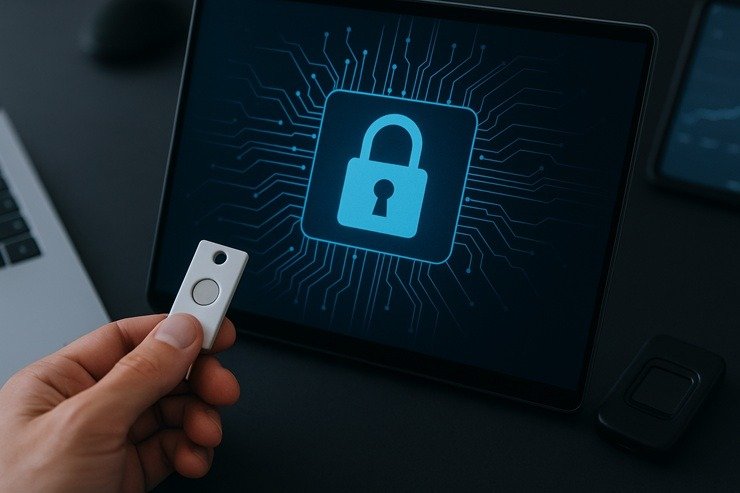
In an era where data is generated and transmitted at an unprecedented pace, safeguarding sensitive information has become more challenging, and more essential, than ever before. Emerging technologies are reshaping how organizations defend their digital assets, moving beyond traditional firewalls and passwords to more dynamic, intelligent, and context-aware solutions. This evolution isn’t just about patching holes; it’s about rethinking how we approach data protection from the ground up.
From Classic Encryption to Contextual Data Protection
For decades, encryption has served as one of the foundational tools in protecting data from unauthorized access. Whether data is at rest on a server or in transit across the internet, encryption ensures that only those with the correct decryption key can read it. However, as organizations expanded into cloud services, remote access, and global collaboration, encryption alone began to feel insufficient.
The next wave of data security emphasizes contextual data protection: policies that adjust in real time based on user behavior, device trust, location, and even the sensitivity of the data itself. Instead of one-size-fits-all encryption, systems can now dynamically apply stricter controls when risk is higher—for example, when an employee accesses financial records from an unknown device or location. This reduces the risk of data leakage without creating overly restrictive barriers for everyday operations.
Zero-Trust Architecture: “Never Trust, Always Verify”
A paradigm that has gained traction in recent years is the zero-trust architecture. Rather than assuming everything inside a network is safe, zero trust treats every access request as potentially hostile until proven otherwise. This means continuous verification of identity, device health, and permission levels—not just at login, but every time data is accessed.
With zero trust, internal threats and external hacks become significantly harder to execute. Even if an attacker breaches the periphery, they still must clear multiple gates to reach sensitive data. This layered approach adds resilience and dramatically reduces the attack surface, providing a stronger guarantee that critical information stays under lock and key.
AI-Powered Threat Detection and Response
One of the most transformative innovations in data security is the rise of AI-driven threat detection. AI systems can monitor enormous volumes of activity in real time, spotting subtle anomalies and flagging suspicious behavior long before a traditional rule-based system might trigger an alert.
Pattern recognition algorithms can learn what “normal” looks like for an organization—typical login times, customary device usage, common access paths—and instantly highlight deviations. For example, if someone suddenly downloads a large batch of confidential files at 3 a.m. from a foreign IP address, AI systems will raise red flags. Some advanced solutions even automate responses: locking accounts, requiring multi-factor authentication, or quarantining suspicious data, all in seconds.
A growing trend is to combine these AI capabilities with platforms designed specifically to secure data across hybrid and multi-cloud environments. For instance, by adopting an AI data security platform, organizations can gain visibility into sensitive data stores, monitor access patterns, and apply granular policies across the entire digital estate, often with minimal disruption to legitimate workflows.
Behavior Analytics and User Risk Scoring
Beyond device protection and encryption, modern security systems are increasingly focusing on the human factor: the behavior of users. Behavior analytics tracks patterns: what files are accessed, how often, at what times, and from which locations or devices, then builds a baseline profile for each user. If behavior strays from that baseline, the system can escalate privileges, trigger additional authentication, or block access altogether.
This dynamic user risk scoring offers a powerful advantage: it helps distinguish between legitimate but unusual behavior (like working late one night) and truly malicious actions (such as a compromised account exfiltrating data). By doing so, it mitigates insider threats and reduces the need for invasive monitoring or blanket restrictions.
The Future: Automated Compliance and Self-Healing Systems
Looking forward, the next frontier in data protection merges automation, self-healing infrastructure, and regulatory compliance. As laws around data handling tighten, organizations will increasingly rely on systems that can automatically enforce compliance policies, flag regulatory risks, and generate audit trails.
Self-healing architectures could detect a breach, isolate affected segments, revoke compromised credentials, and restore clean backups—all with minimal human intervention. The goal is to ensure that even in the face of an attack, disruption is limited and damage is contained.
Conclusion
Securing critical information is no longer just about keeping intruders out; it’s about continuous evaluation, adaptive defenses, and intelligent automation. Innovations such as contextual encryption, zero-trust architecture, AI-driven threat detection, behavior analytics, and self-healing systems are transforming data protection from a static castle wall into a responsive, living shield. Organizations that embrace these advances will not only guard their sensitive data more effectively but stay one step ahead in a rapidly evolving threat landscape.











Flat and Low-Slope Roofing Repairs Explained

How a Multi-Car Insurance Policy Can Simplify Your Life

First-Time Travel Guide to Tokyo: What Every Visitor Should Know

Know How To Choose The Right CBAM Reporting Software For Your Organization

Octobank: Women’s Financial Activity Strengthens Uzbekistan’s Entrepreneurial Environment

Phenotypic Screening in Oncology: Why Chemical Diversity Determines Success

How AI Is Changing the Future of Recruitment

Why Your Skin Looks Dull and Tired (And What Actually Works to Brighten It)

Four Security Habits That Successful Business Owners Never Ignore

5 Strategic Steps to Mastering a Self-Managed Super Fund

100 Motivational Quotes to Inspire You in 2026

100 Motivational Quotes to Start Your Day with Positivity

22 Best Self-Help Books to Read in 2026

Changing Your Spending Habits

How to Create a Vision Board That Actually Works (2026)

New Year Wishes and Quotes to Inspire and Celebrate (2026)

How to Achieve Personal Growth in 2026

Top 50 Motivational Quotes for Success and Hard Work

How Are Natural Remedies Changing Lives?

Do I Have to Pay a Debt That’s Very Old?
-

 Motivation5 years ago
4 Fun New Hobbies To Try This Year
-

 Quotes3 years ago
53 Motivational Gym Quotes to Fuel Your Workout
-

 Quotes10 years ago
50 Most Powerful Quotes Ever Spoken
-

 Travel1 year ago
Why You Should Travel More: The Many Benefits of Seeing the World
-
 Quotes3 months ago
100 Motivational Quotes to Inspire You in 2026
-

 Quotes2 years ago
43 Inspirational Quotes About Thoughts
-

 Quotes3 years ago
105 Motivational Quotes by Famous People
-
 Quotes8 months ago
100 Motivational Quotes to Start Your Day with Positivity