
Lifestyle
From Floor Plan to Feeling: Creating Spaces That Truly Work for You

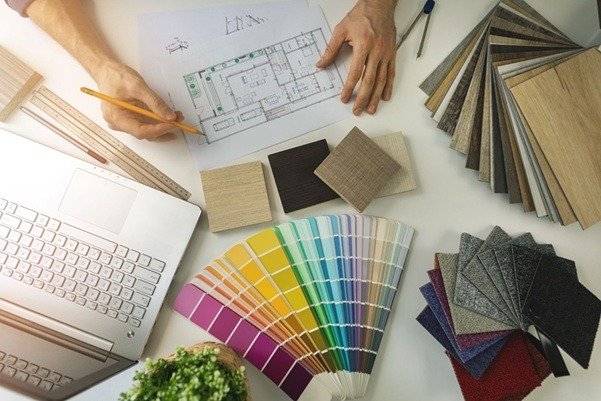
Your home should fit the way you live, not the other way around. A thoughtful floor plan in space planning does more than place walls and furniture. It supports your daily routines, adapts as needs change, and forms an emotional connection that makes every room feel right.
In this guide on home design, you will learn how to:
- Assess your lifestyle and map out functional zones
- Optimize flow and circulation to reduce wasted space
- Balance aesthetic details with practical choices
- Plan for adaptability and future growth
- Shape the sensory experience with light, color, and texture
- Use digital tools to preview and refine your design
Whether you are building from scratch or reworking an existing interior layout, these steps will help you turn a basic floor plan into a home that functions well and feels welcoming.
Let’s begin by assessing your lifestyle and needs.
Assessing Your Lifestyle & Needs
Before drafting a floor plan, review how you spend each day. Identify zones for socializing, work, family time, and rest. Align your interior layout with routines to make every square foot count.
Hosting & Entertaining
Plan for smooth guest flow by placing an open floor plan, kitchen, and dining area adjacent to outdoor living. This layout supports indoor-outdoor gatherings and separates public zones from private retreats. Consider a bar station or buffet alcove to keep service areas organized.
Home Office & Productivity
Carve out a dedicated workspace or flexible nook with acoustic privacy. Position the desk near a window to maximize natural daylight and cross-ventilation. Use built-in shelving to store supplies and avoid clutter around your workstation.
Family & Multi-Generational Living
Balance togetherness and privacy by zoning bedrooms at opposite ends of the same floor. Offer universal access features in at least one suite. Include a room that transitions easily from nursery to study or guest bedroom as your needs evolve.
Leisure & Wellness Zones
Create a calm corner for yoga or reading with views of greenery. Maximize natural light and airflow with well-placed windows or sliding doors. A seamless link to a patio or garden boosts wellness and invites fresh air indoors.
Optimizing Flow & Circulation
Flow optimization begins with layout choices that mirror daily routines. By focusing on intuitive movement, you reduce wasted space and confusion. Each area then feels connected and easy to navigate.
Circulation Pathways
Well-defined pathways guide residents from room to room. Start by mapping physical connections and door entries. This exercise in space planning highlights bottlenecks and underused corridors.
Mapping with Block Diagrams
Designers often use color-coded block diagrams to test adjacency. This reveals awkward hallways and long approaches at a glance. Adjusting block shapes helps reclaim square footage and improves direct access to key areas.
Creating Uninterrupted Loops
In open floor plan layouts, simple loops eliminate dead ends. Clear sightlines to focal points such as a central island or fireplace help guide movement naturally.
Zoning Public vs. Private Areas
Separate gathering zones from private retreats to balance access and privacy. Group living and dining areas together with direct entry from the front door. Place bedrooms and workspaces on a different axis to avoid foot traffic through quiet spaces.
Transitional & Buffer Spaces
Use mudrooms, covered porches, or breezeways as soft boundaries. These buffer spaces smooth transitions between indoors and out. They also prevent bottlenecks and provide staging areas for gear and guests.
Balancing Aesthetics with Practicality
A successful home design balances visual appeal with functionality. By selecting durable materials, planning layered lighting, integrating storage, and optimizing service runs, you ensure spaces remain beautiful and efficient.
Material & Finish Selection
Choose surfaces that stand up to daily life. Hardwood floors or porcelain tiles resist wear in high-traffic zones. Keep a consistent palette throughout the home and introduce contrasting textures, such as matte stone against polished wood, to add interest without extra upkeep.
Lighting Strategies
Layer ambient, task, and accent fixtures in every room. Ambient lighting delivers general illumination, while under-cabinet or desk lamps handle specific tasks. Accent fixtures, such as track lights or wall sconces, highlight art or architectural details, but always follow electrical safety guidelines. Wherever possible, maximize daylight with well-placed windows, skylights, and glass doors to reduce energy use.
Integrated Storage Solutions
Built-in cabinetry and concealed shelving maintain a clean look. Use recessed niches or sliding-drawer seating benches to stow essentials. Multi-functional furniture, like ottomans with hidden compartments, adds flexibility and keeps surfaces uncluttered.
Efficient Plumbing & Service Layouts
Group wet areas such as kitchens, bathrooms, and laundry rooms close together to minimize pipe runs. Conceal mechanicals behind removable panels for easy access during maintenance. This strategy cuts installation costs and ensures future repairs won’t disrupt surrounding finishes.
By balancing form and function, your design will not only impress guests but also adapt to changing routines and stand the test of time.
Designing for Adaptability & Future Growth
Flexible layouts help future-proof your home. By using modular elements, adaptable furniture, and hybrid rooms, you can respond to evolving needs in your living space.
Modular & Movable Walls
Movable partitions let you redefine spaces in minutes. Systems often feature lightweight panels on tracks or hinges. Consider panels with acoustic cores for noise control. Key benefits include:
- Quick reconfiguration of room size
- Acoustic separation for quiet zones
- Cost savings compared to fixed walls
Multi-Functional Furniture
Furniture that serves multiple roles saves square footage. Options include wall beds (Murphy beds), extendable tables, and seating with hidden storage. These pieces adapt living rooms into guest areas or dining rooms into workstations.
Common Solutions
- Murphy beds for overnight guests
- Nesting tables for flexible surfaces
- Storage ottomans and benches
Convertible & Hybrid Rooms
Plan rooms to support more than one function over time. A home office can double as a guest suite with a sleeper sofa. A playroom may evolve into a study or hobby area. Use sliding doors or shelving units to define zones. Effective circulation paths and clear sightlines ensure each layout feels intentional.
Forward-thinking designs protect your investment by making adaptations cost-effective and straightforward.
Sensory & Emotional Experience in Space Design
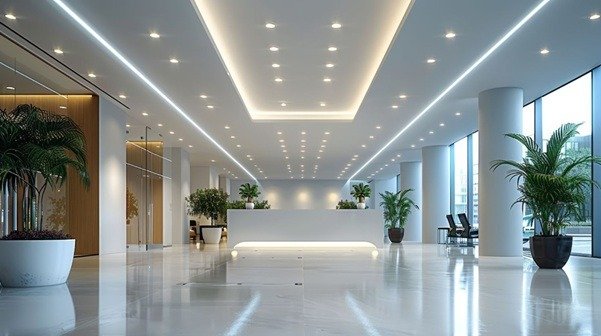
Crafting an environment that feels right goes beyond layout and space planning. By engaging sight, sound, and touch, you shape how a space makes people feel.
Biophilic & Natural Elements
Bring nature indoors to foster calm and focus. Introduce:
- Plant walls or planter boxes for visual greenery and cleaner air
- Natural light with large windows or skylights
- Organic materials like wood, stone, and woven fibers for an earthy feel
These biophilic design elements boost well-being and create a subconscious bond with the outdoors.
Color & Mood Psychology
Color sets the emotional tone. Use the 60-30-10 rule to balance palettes:
- 60% primary temperature (warm or cool)
- 30% secondary opposite tone
- 10% accent hues
Cool colors (blue, green) recede and promote relaxation. Warm colors (red, orange) advance toward the eye and energize social areas. Adjust saturation, pastels for serenity, and deep tones for drama, to fine-tune ambiance.
Acoustic & Tactile Treatments
Sound Zoning
Separate noisy and quiet zones with soft screens or built-in joinery. Add suspended baffles or planter walls to absorb and disperse sound, improving acoustic comfort in open floor plan areas.
Textural Layers
Mix soft textiles, like upholstery panels and rugs, with harder surfaces, such as timber baffles and stone accents. Contrasting textures invite touch and enrich the sensory journey.
Leveraging Technology for Spatial Previews and Adaptation
Before laying a single brick, you can explore and refine your design with digital floor plan tools. Virtual and augmented reality mockups, smart sensors, and intuitive planning apps bring your future space into the present.
VR/AR Walkthroughs
Platforms like Lifesize Plans turn 2D drawings into immersive, full-scale experiences. In a showroom with multi-projector arrays and high-ceiling displays, clients walk through every room. Real-time modification capability helps avoid mid-construction revisions that average $35,000, saving time and budget.
Projection vs. Headset Options
- Group reviews in a 1:1 projection environment
- Individual VR headset sessions for focused walkthroughs
- Mobile app controls for lens focus, input switching, and status monitoring
Smart Controls & Sensors
Simulated lighting, climate, and sound sensors respond to user input or predefined scenes. By adjusting virtual switches and thermostats, you get a realistic sense of daily comfort. Smart dashboards track occupancy patterns and adapt fixtures on the fly, ensuring your space feels right from day one.
Digital Space-Planning Tools
Web-based 3D modelers and drag-and-drop floor-plan editors let you reposition walls, windows, and furniture instantly. Interactive links enable remote collaboration with designers and stakeholders. Once finalized, you can export detailed models and specs for bidding or construction.
Conclusion
Transforming a floor plan into a home that truly works for you means blending practical design with emotional impact. By applying these space planning principles, you create rooms that support your routines, adapt as your life evolves, and feel welcoming every day.
Key takeaways:
1. Assess Your Lifestyle
– Map zones for work, rest, and socializing
2. Optimize Flow & Circulation
– Design clear pathways and logical adjacencies
3. Balance Aesthetics with Practicality
– Choose durable materials, layered lighting, and smart storage
4. Plan for Adaptability & Future Growth
– Use modular walls, multi-functional furniture, and hybrid rooms
5. Shape the Sensory Experience
– Integrate natural light, color psychology, and acoustic treatments
6. Leverage Technology for Previews & Refinement
– Explore VR/AR walkthroughs and interactive planning tools
Armed with this roadmap, you can move from a two-dimensional drawing to a fully realized environment that meets your needs and reflects your style. Whether you’re starting from scratch or reworking an existing layout, these steps ensure each decision adds both function and feeling.
Your home is more than a collection of rooms; it’s a backdrop for your life. Make each space count and create a home that feels right from the moment you walk in.











5 Signs You’re Not Just Busy, You’re Overwhelmed

How Hiring Emergency Water Damage Restoration Service Prevents Structural Rot

Planning a Lahore Heritage Break with Time to Explore

How Small Businesses Can Make Cross-Border Payments Faster, Clearer, and More Reliable

How Tampa Businesses Can Choose a Commercial Location

How High School Counselor Marketing Helps College Admissions Teams Reach Early Decision and Early Action Applicants

Create a Flexible Fat Loss Routine You Can Maintain Long-Term

Keep Your CPR Skills Ready: A Simple Renewal Plan for Work, Home, and Community

The Moving-Day Survival Kit Every Household Should Prepare

Things People Wish They Had Planned Better Before Moving

100 Motivational Quotes to Inspire You in 2026

How to Create a Vision Board That Actually Works (2026)

22 Best Self-Help Books to Read in 2026

How to Achieve Personal Growth in 2026

New Year Wishes and Quotes to Inspire and Celebrate (2026)

Loeb Smith reviews: Why Crypto Licensing Demands Patience, Structure, and Skepticism

How to Leverage Personal Development for Career Advancement

Top Fitness Coach Certification Programs for Aspiring Trainers

From Denver to Vail: Secrets, Snow, and Soul of the Rockies

How to Choose the Best Manali Tour Package for a Family-Friendly Vacation?
-

 Motivation6 years ago
4 Fun New Hobbies To Try This Year
-

 Quotes4 years ago
53 Motivational Gym Quotes to Fuel Gym Workout
-

 Quotes11 years ago
50 Most Powerful Quotes Ever Spoken
-

 Travel2 years ago
Why You Should Travel More: The Many Benefits of Seeing the World
-
 Quotes10 months ago
100 Motivational Quotes to Inspire You in 2026
-

 Quotes3 years ago
43 Inspirational Quotes About Thoughts
-

 Quotes4 years ago
Motivational Quotes by Famous People
-

 Quotes1 year ago
100 Motivational Quotes to Start Your Day with Positivity