
Health
Safe and Effective Ways to Relieve Back Pain at Home

Key Takeaways
- Incorporate gentle exercises and stretches to improve flexibility and reduce tension.
- Apply heat or cold therapy to manage pain and inflammation.
- Maintain proper posture during daily activities to prevent strain.
- Use over-the-counter medications responsibly for temporary relief.
- Ensure a supportive sleep environment to aid recovery.
Back pain can disrupt your daily life and make even routine activities difficult. Millions of people experience discomfort ranging from mild aches to debilitating pain, often due to strain, poor posture, or underlying conditions. Thankfully, there are various safe and effective strategies that you can use to manage and relieve pain without leaving your home. By following simple steps and being consistent, you can improve your quality of life and keep discomfort at bay. For those seeking immediate attention in south Florida, walk in chiropractic Pompano Beach can provide fast access to professional help when home remedies are not enough. You do not have to live with back pain. From gentle movements and smart postural adjustments to strategic use of heat and cold, there are accessible solutions for almost everyone. Developing the right approach involves understanding what triggers your pain, building healthy habits, and listening to your body to avoid exacerbating your symptoms.
Staying mobile is one of the best ways to combat and prevent back pain. Engaging in gentle exercises, such as walking, yoga, or swimming, helps keep the muscles around your spine flexible and strong. A short, regular walking routine not only promotes blood flow but also eases tension in your lower back. Even a 10-minute walk each day can provide noticeable relief for many sufferers. Stretching is equally important. Gentle stretches targeting your hamstrings, hip flexors, and lower back encourage flexibility and reduce stiffness. Be sure to hold each stretch for 20 to 30 seconds and avoid any movements that trigger pain. Consistency is key, so set aside time daily for stretching, ideally as part of a morning or evening routine. For additional guidance, consider following online stretch routines designed specifically for people with back pain, such as those provided by Tom’s Guide.
Heat and Cold Therapy
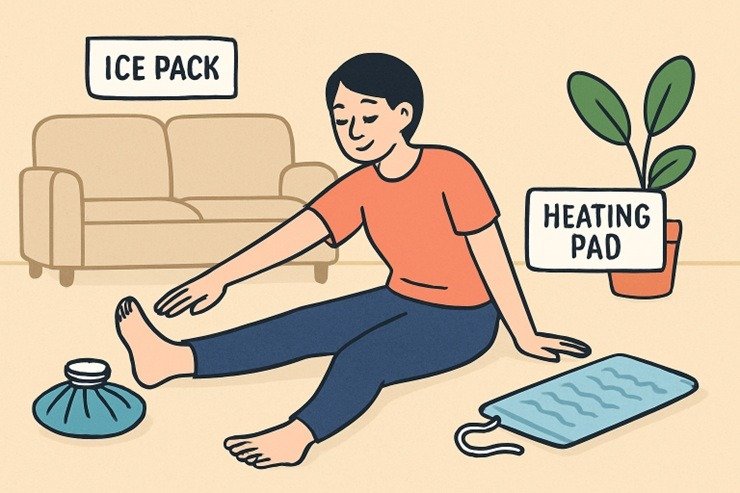
Heat and cold are simple, convenient ways to manage acute and chronic back pain. Cold therapy, such as ice packs or cold compresses, helps reduce swelling and numb the sore tissues in the initial stages of injury. It is most effective within the first 48 hours after you notice pain or injury. After the initial phase, heat therapy, such as a warm bath or a heating pad, can increase blood flow, relax tight muscles, and soothe stiff joints. To use cold therapy, wrap an ice pack in a cloth and apply it to the painful area for about 20 minutes at a time. Switch to heat once inflammation subsides or if your pain is more chronic, using a heating pad for 15–20 minutes. Never apply extreme temperatures directly to your skin to avoid burns or frostbite. Alternating between hot and cold therapies can also help some people manage their pain more effectively.
Maintaining Proper Posture
Poor posture is a leading cause of back pain, particularly among those who spend hours sitting at a computer or using mobile devices. To reduce strain on your spine, make an ergonomic assessment of your workstation. Your screen should be at eye level, and your chair should support your lower back while keeping your feet flat on the ground.
Frequent breaks are essential if your work requires prolonged sitting. Aim to stand up, stretch, and walk around at least once every hour. Simple tweaks, such as using a lumbar roll or adjusting your chair’s height, can have a significant impact.
Over-the-Counter Medications
Over-the-counter medications like nonsteroidal anti-inflammatory drugs (NSAIDs), such as ibuprofen or naproxen, can provide temporary pain relief and help reduce inflammation. While these medications are convenient and accessible, it is important to use them only as directed. They are best employed for short periods when pain flares up and should not be relied upon for long-term use. The Harvard Health guide on back pain recommends trying non-drug therapies first and turning to medications if those methods are insufficient.
If you have pre-existing health conditions or are taking other medications, always consult with your doctor before starting NSAIDs. Be alert for side effects like gastrointestinal discomfort, and never exceed the recommended dosage. Other remedies, such as topical pain-relief creams, may help with localized pain, but moderation is crucial.
Supportive Sleep Environment
Rest is essential for recovery, but your sleep environment can make a significant difference in back pain management. A mattress that is too soft or too firm can strain your muscles and aggravate discomfort. Ideally, your mattress should support the natural curvature of your spine while providing adequate cushioning. If you are unsure whether your current bed is suitable, try sleeping with a pillow between your knees if you rest on your side, or under your knees if you sleep on your back, to maintain proper spinal alignment. Adjusting your sleeping position or upgrading to a supportive mattress and ergonomic pillows can be transformative for some sufferers.
When to Seek Professional Help
Although many cases of back pain resolve with home care, it is important to seek medical advice if symptoms persist longer than a few weeks, worsen over time, or are accompanied by warning signs like numbness, weakness, or incontinence. Persistent or severe pain may signal an underlying condition needing professional evaluation. Physical therapy, prescription medications, or further diagnostic testing may be required in these situations. Timely intervention from a healthcare provider ensures that more serious problems are diagnosed and treated appropriately, reducing the risk of long-term complications. By taking proactive steps at home and knowing when to involve healthcare professionals, you can successfully manage and often relieve back pain without resorting to invasive treatments. Listen to your body, prevent unnecessary strain, and apply these evidence-backed tips to enjoy a healthier, more comfortable lifestyle.
Conclusion
Managing back pain effectively involves a combination of self-care strategies, lifestyle adjustments, and professional guidance when needed. Incorporating gentle exercises and stretching routines helps maintain flexibility and strengthen supportive muscles, while heat and cold therapy can relieve pain and reduce inflammation. Maintaining proper posture throughout the day and creating a supportive sleep environment helps protect the spine and prevent further strain. Over-the-counter medications can provide temporary relief, but should be used responsibly. By combining these approaches and knowing when to seek professional care, you can reduce discomfort, improve mobility, and maintain a healthier, more active daily life.













Moving to Spain from the U.S.: How to Get Started

8 Essential Skills for Managing a Growing Business

Top 5 Cloud Mining Platforms in 2026: A Guide to Passive Income Mining for $3,700

Simple Daily Habits for Better Spinal Health

Preventive Dental Care And Whole-Person Health: A Practical Guide

A Buyer’s Guide to Evaluating Knoxville, Tennessee Neighborhoods

How Structured Alarm Data Can Help Emergency Communication Centers Work More Efficiently

Digestive Changes During Cancer Treatment: What’s Normal, and What Helps

How AI Image Creators Are Changing Visual Content Creation

How to Plan International Gifts Without Last-Minute Stress

100 Motivational Quotes to Inspire You in 2026

How to Create a Vision Board That Actually Works (2026)

22 Best Self-Help Books to Read in 2026

How to Achieve Personal Growth in 2026

New Year Wishes and Quotes to Inspire and Celebrate (2026)

Loeb Smith reviews: Why Crypto Licensing Demands Patience, Structure, and Skepticism

Custom Cover Letter Generator: Create Tailored Letters in Minutes

How to Leverage Personal Development for Career Advancement

Top Fitness Coach Certification Programs for Aspiring Trainers

From Denver to Vail: Secrets, Snow, and Soul of the Rockies
-

 Motivation6 years ago
4 Fun New Hobbies To Try This Year
-

 Quotes4 years ago
53 Motivational Gym Quotes to Fuel Gym Workout
-

 Quotes11 years ago
50 Most Powerful Quotes Ever Spoken
-

 Travel2 years ago
Why You Should Travel More: The Many Benefits of Seeing the World
-
 Quotes9 months ago
100 Motivational Quotes to Inspire You in 2026
-

 Quotes2 years ago
43 Inspirational Quotes About Thoughts
-

 Quotes4 years ago
Motivational Quotes by Famous People
-

 Quotes1 year ago
100 Motivational Quotes to Start Your Day with Positivity