
Lifestyle
How to Taste Caviar Like a Food Expert

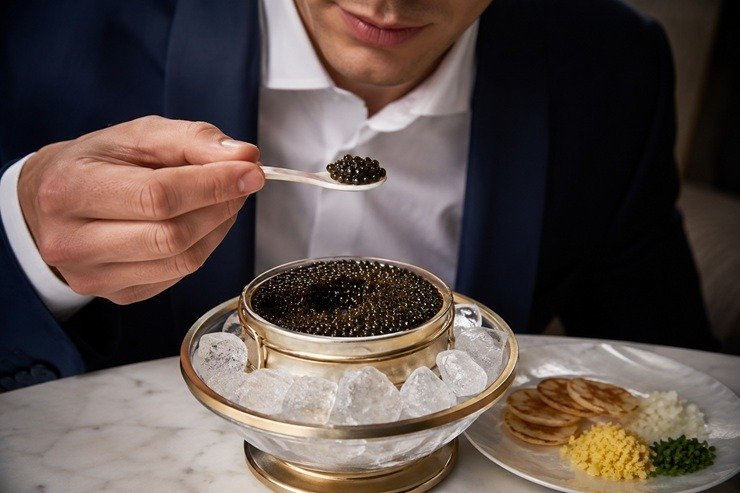
Tasting caviar is less about luxury performance and more about attention to detail. When done properly, it becomes a focused sensory experience—similar to tasting fine wine or single-origin chocolate. Understanding how to approach it can transform what seems like an intimidating delicacy into something approachable and genuinely enjoyable.
At its core, caviar refers to the salted eggs (roe) of sturgeon. The most prized varieties come from the Caspian Sea region, though farmed alternatives from Europe, the Americas, and Asia are now widely respected. The quality, texture, and flavor can vary significantly depending on the species, curing method, and freshness.
Caviar is typically served in small amounts, not just because of its price, but because its flavor is concentrated and best appreciated in moderation.
Understanding What You’re Tasting
Before taking your first bite, it helps to know what makes caviar distinctive. Good caviar should have firm, intact pearls that don’t collapse too easily. Each bead should offer a subtle “pop” when pressed against the tongue, releasing a burst of briny, buttery, and sometimes nutty flavors.
High-quality caviar is not aggressively salty. Instead, it should feel balanced—brininess layered with freshness and a lingering creaminess. Depending on the type, you might also detect mineral notes, oceanic depth, or even a faint sweetness.
Experts often evaluate caviar using three main criteria:
- Appearance: uniform size, glossy sheen, and no excess liquid
- Texture: firm eggs that separate cleanly
- Flavor: clean, balanced, and long-lasting without harsh saltiness
Proper Serving Temperature and Tools
Temperature plays a crucial role in tasting caviar properly. It should be served chilled, ideally between 28°F and 35°F (-2°C to 2°C). If it is too warm, the oils become heavy and the flavor loses precision; too cold, and the aroma is muted.
Traditional caviar service uses a bed of crushed ice to maintain temperature throughout tasting. Equally important are the utensils. Metal spoons are avoided because they can impart a metallic taste that interferes with the delicate flavor. Instead, mother-of-pearl, bone, horn, or plastic spoons are preferred.
The container is often opened just before serving, and caviar should never be left exposed for long periods. Oxygen and warmth quickly degrade its quality.
The First Step: Observing Before Tasting
Before eating, take a moment to observe the caviar closely. Notice the color variations—ranging from pale golden to deep black or greenish tones depending on the variety. Look at how the eggs sit in the tin: they should appear distinct and not overly mashed together.
Smell is also important. High-quality caviar should smell clean and slightly oceanic, not overly fishy or pungent. Any strong or unpleasant odor is usually a sign of over-processing or poor storage.
This initial observation helps set expectations and trains your palate to recognize quality before tasting.
The Proper Way to Taste Caviar
When tasting caviar like a food expert, restraint is essential. Avoid chewing immediately. Instead, place a small amount on the back of your hand between your thumb and index finger or directly on your tongue if preferred. This allows the caviar to warm slightly and release its aroma.
Let the eggs roll gently across your tongue. You should feel the delicate pop of each bead, followed by the release of flavor. Pay attention to the progression:
- Initial taste: light saltiness and freshness
- Middle palate: creamy, buttery richness
- Finish: lingering oceanic or nutty notes
Experts often pause between bites to reset the palate. Sparkling water or plain bread can help cleanse it without interfering with flavor.
Pairing and Accompaniments
While purists argue that caviar should be eaten alone, traditional accompaniments can enhance the experience when used correctly. Blinis (small yeast pancakes), unsalted crackers, or lightly buttered toast points are common bases. These should support, not overpower, the caviar.
Common pairings include chilled vodka or dry sparkling wine, which complement the salinity and cleanse the palate. However, the goal is balance—strong flavors, heavy sauces, or acidic foods tend to overwhelm caviar’s subtle profile.
Egg, onion, and cream-based accompaniments are often served in formal settings, but experienced tasters use them sparingly to avoid masking the caviar’s natural character.
Developing Your Palate Over Time
Like wine tasting, appreciating caviar improves with exposure. Different types of sturgeon roe—such as Beluga, Osetra, or Sevruga—offer distinct flavor profiles. Some are more buttery and soft, while others are firmer and more mineral-forward. In particular, Ossetra caviar is often praised by experts for its nutty undertones, firm texture, and balanced brininess, making it a benchmark variety for learning to distinguish quality.
As you sample more varieties, you begin to notice subtle distinctions in texture and finish. This is where expertise develops: not in memorizing terminology, but in recognizing sensory differences.
Keeping notes on each tasting—texture, salt level, finish—can help refine your palate over time.
Common Mistakes to Avoid
Many first-time tasters unintentionally diminish their experience by rushing or overcomplicating the process. One common mistake is using a metal spoon, which can distort flavor perception. Another is overloading each bite—caviar is meant to be tasted, not eaten in large spoonfuls.
Other mistakes include:
- Serving it too warm or too cold
- Pairing it with strongly flavored foods
- Chewing aggressively instead of letting it dissolve gently
- Leaving it exposed to air for too long
Treating caviar casually tends to flatten its complexity. The more mindful the approach, the more nuanced the experience becomes.
Tasting caviar is ultimately about slowing down and paying attention. It rewards patience, curiosity, and restraint. When approached thoughtfully, it becomes less about luxury status and more about sensory appreciation.
Whether you are trying it for the first time or refining an existing interest, the key is to focus on texture, temperature, and subtle flavor progression. With practice, what once felt like an intimidating delicacy becomes an elegant and deeply enjoyable tasting experience.












The Overlooked Parts of Personal Health That Matter More Than You Think

Here is What Road Travelers Need to Know about Navigating Dense Urban Traffic Corridors

How Exploring Portugal Pathways Enhances Your Cultural Experience

How Microneedling Treatment at Anne Therese Transforms Skin Texture

Why Saying “Yes” is More than a Milestone: It’s a Mindset Shift

Success at Work, Meaning at Home: Redefining What a Successful Life Looks Like

Hit by a Lyft Driver? Steps to Protect Your Health and Your Claim

How Financial Planning Can Help You Build a More Secure Future

Underground Water Leak Detection Services: Essential Considerations for Homeowners

Why People Wear Fragrance Even When They’re Staying Home

100 Motivational Quotes to Inspire You in 2026

How to Create a Vision Board That Actually Works (2026)

22 Best Self-Help Books to Read in 2026

How to Achieve Personal Growth in 2026

New Year Wishes and Quotes to Inspire and Celebrate (2026)

Loeb Smith reviews: Why Crypto Licensing Demands Patience, Structure, and Skepticism

From Denver to Vail: Secrets, Snow, and Soul of the Rockies

How to Choose the Best Manali Tour Package for a Family-Friendly Vacation?

Your Guide to Building the Life You Want as a Medical Professional

Romantic Cabins In Tennessee: A Guide to Location, Privacy, And Scenic Views
-

 Motivation6 years ago
4 Fun New Hobbies To Try This Year
-

 Quotes4 years ago
53 Motivational Gym Quotes to Fuel Gym Workout
-

 Quotes11 years ago
50 Most Powerful Quotes Ever Spoken
-

 Travel2 years ago
Why You Should Travel More: The Many Benefits of Seeing the World
-
 Quotes10 months ago
100 Motivational Quotes to Inspire You in 2026
-

 Quotes3 years ago
43 Inspirational Quotes About Thoughts
-

 Quotes4 years ago
Motivational Quotes by Famous People
-

 Quotes1 year ago
100 Motivational Quotes to Start Your Day with Positivity