
Education
Innovative Strategies for Engaging First-Grade Students in the Classroom

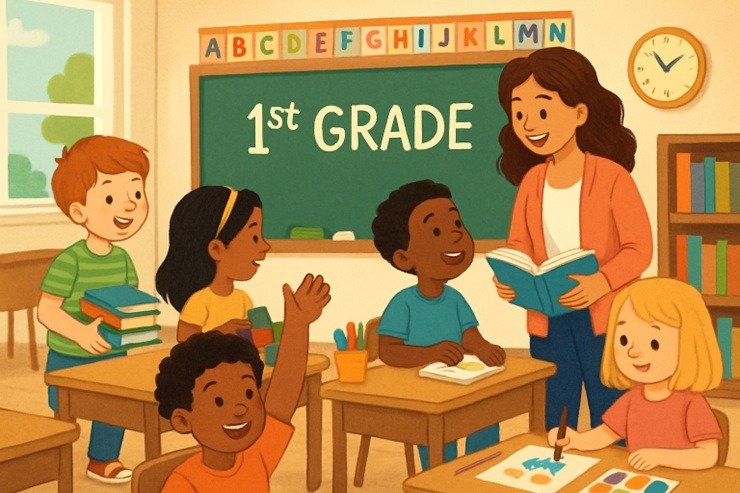
Keeping first-grade students actively engaged in the classroom sets the stage for a lifelong love of learning. Creative instructional methods provide young learners with meaningful experiences and help them develop vital academic and social skills. One powerful approach is to incorporate interactive, dynamic activities that encourage participation and foster excitement about learning. For teachers seeking inspiration, https://studentreasures.com/teachers-lounge/lesson-plans/first-grade/ offers a helpful collection of first-grade lesson plans and classroom ideas.
Mixing movement, creativity, and hands-on problem-solving into daily routines can boost attention and motivation among first-graders. When children are empowered to share ideas, manipulate objects, and learn through play, their curiosity and confidence grow, leading to a more vibrant classroom environment.
Ultimately, the most successful strategies embrace students’ diverse learning styles. Some children thrive in discussion, others through physical activity, and still others when challenged with puzzles and mysteries. By blending several techniques, educators support students’ holistic development, guiding them to become enthusiastic learners.
Interactive Read-Alouds
Read-alouds are a classroom staple, but making them interactive takes the activity to another level. Strategically pausing during stories to ask students to predict what might happen next, share their favorite parts, or discuss how a character feels fosters comprehension and critical thinking. Open-ended questions encourage participation, while dramatizing parts of the book or acting out scenes brings stories to life for young learners. According to Edutopia, integrating these techniques helps cultivate strong listening and analytical skills.
Story Dice Adventures
Story dice are small cubes with illustrations or words representing settings, characters, emotions, or objects. Rolling the dice provides prompts that guide students in building their own imaginative narratives. This activity not only supports creativity but also reinforces students’ understanding of essential story elements like beginning, middle, and end, as well as vocabulary. Teachers can use story dice individually or in small groups, making each storytelling adventure unique and interactive.
Word Discovery Challenges
Embedding vocabulary building in movement-focused games energizes the classroom and cultivates language skills. Hide vocabulary word cards around the room, and give students clues to help them find them. After they find their words, encourage them to use those words in sentences or illustrations. This scavenger hunt format combines exercise with cognitive learning, which studies show boosts retention and engagement.
Alphabet Yoga
Alphabet Yoga turns learning letters and sounds into an active, memorable experience. Students use their bodies to form letters or mimic objects that start with the corresponding sound. This kinesthetic approach is ideal for energetic or tactile learners, as it merges literacy practice with physical fitness. Teachers might guide children through poses as a group or incorporate them into the classroom routine daily to reinforce letter recognition while supporting well-being.
Mystery Word Box
Creating a Mystery Word Box adds suspense to vocabulary lessons. Fill the box with objects or images that symbolize key vocabulary words from current units or themes. Students take turns drawing an item and using it in a sentence or short story, which helps connect abstract words to concrete objects. This activity also sparks curiosity, prompts discussion, and encourages collaborative thinking among peers.
Literacy Garden
A Literacy Garden visually represents language concepts using garden imagery. Each plant or flower in the display represents a different skill or goal, such as mastering sight words, building new vocabulary, or reaching reading milestones. As students add blooms or leaves when they reach goals, they get immediate feedback on their progress. This fosters intrinsic motivation and a sense of accomplishment, especially beneficial for visual learners and those who thrive on recognition.
Shape Sorters
Introducing geometry concepts through shape sorting makes abstract math concepts tangible for first-graders. By matching blocks or cutouts to their corresponding slots or outlines, students develop spatial awareness and learn to classify by attributes. Teachers can expand the activity into collaborative sorting games or introduce vocabulary about size, color, and number of sides, helping young learners build a foundational understanding of math.
Puzzle Solving
Puzzle activities, including jigsaw puzzles, word searches, or matching games, nurture problem-solving skills and perseverance. When students collaborate on a puzzle, they practice communication, teamwork, and strategic thinking. These tasks also improve fine motor skills and concentration. Successfully completing a puzzle boosts confidence and encourages children to approach challenges as opportunities to learn and grow.
Final Thoughts
By weaving together these innovative strategies, educators can build a classroom environment where every child feels engaged, included, and motivated. Balancing movement, conversation, and hands-on activities sets first-graders on a trajectory for academic success and personal growth that extends beyond the classroom walls.













How Do the Brain and Body Work Together?

How Digital Convenience Is Changing the Way We Discover and Buy What We Love

Nano Banana 2.5 and the Rise of Prompt-Led Image Creation

These 5 Shower Filter Brands Will Improve Your Water Quality and Your Wellbeing

Your Dental Checkup Is Doing More For Your Health Than You Think

How to Plan a Home Renovation Materials List and Timeline

The New Limousine: How Luxury Mercedes Sprinter Vans Are Changing the Ride

Cloud Migration Mistakes Businesses Still Make and How to Avoid Them

Small Daily Choices For A Healthier, Lower-Waste Oral Care Routine

How Mobile Notary Services Make Document Signing More Convenient

100 Motivational Quotes to Inspire You in 2026

How to Create a Vision Board That Actually Works (2026)

22 Best Self-Help Books to Read in 2026

How to Achieve Personal Growth in 2026

New Year Wishes and Quotes to Inspire and Celebrate (2026)

Loeb Smith reviews: Why Crypto Licensing Demands Patience, Structure, and Skepticism

How to Leverage Personal Development for Career Advancement

Top Fitness Coach Certification Programs for Aspiring Trainers

From Denver to Vail: Secrets, Snow, and Soul of the Rockies

How to Choose the Best Manali Tour Package for a Family-Friendly Vacation?
-

 Motivation6 years ago
4 Fun New Hobbies To Try This Year
-

 Quotes4 years ago
53 Motivational Gym Quotes to Fuel Gym Workout
-

 Quotes11 years ago
50 Most Powerful Quotes Ever Spoken
-

 Travel2 years ago
Why You Should Travel More: The Many Benefits of Seeing the World
-
 Quotes9 months ago
100 Motivational Quotes to Inspire You in 2026
-

 Quotes3 years ago
43 Inspirational Quotes About Thoughts
-

 Quotes4 years ago
Motivational Quotes by Famous People
-
 Quotes1 year ago
100 Motivational Quotes to Start Your Day with Positivity