
Lifestyle
Tips for Maintaining Your Car for Reliable Performance

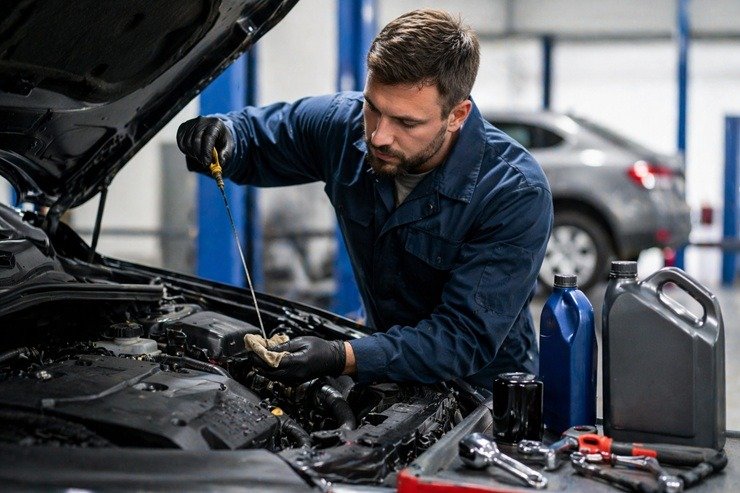
Keeping your car in optimal condition takes dedication and attention to detail, but it pays off with increased safety, reliability, and vehicle life. Whether you drive daily or only on occasion, routine maintenance is key to ensuring your car works when you need it most. Learn more about how regular care can make a difference in your vehicle’s performance and efficiency.
Understanding and following essential maintenance tips can save you from breakdowns and costly repairs down the road. Consistency is important, and many maintenance tasks can be handled easily at home or during scheduled service visits. Well-maintained vehicles not only last longer, but they also retain higher resale value and provide reassurance on every journey.
From checking fluids to proper tire care, simple steps can yield significant results. Integrating preventive care into your automotive routine is a smart investment that helps you avoid problems stemming from neglect and extends the lifespan of vital vehicle components.
Value can be maximized by proactively addressing minor issues before they turn into larger, expensive problems. The following comprehensive guide will walk you through key areas essential to keeping your car running smoothly and reliably for years. By following these tips, you ensure your vehicle remains dependable and efficient year-round.
Regular Oil Changes
Oil is the heart of your car’s engine, lubricating essential moving parts and reducing friction. Over time, oil breaks down, accumulates debris, and loses its effectiveness. It is crucial to change your oil every 3,000 to 5,000 miles or as suggested by your manufacturer. Failing to do so can lead to increased engine wear and performance issues. For most cars, synthetic oil offers improved protection and can extend the time between oil changes.
Tire Maintenance
Proper tire maintenance is vital for both vehicle performance and safety. Begin by regularly checking that your tires are inflated to the recommended pressure. Under-inflation reduces fuel efficiency and causes uneven tread wear, while over-inflation can decrease traction. Additionally, regularly inspect tread depth and overall tire condition. Rotate your tires every 6,000 to 8,000 miles to ensure even wear, and realign them as needed to maintain stability and prevent steering issues. For more information on correct tire care, visit the National Highway Traffic Safety Administration Tire Safety Page.
Fluid Level Checks
Aside from engine oil, your vehicle uses several other fluids vital to its operation, including coolant, brake fluid, transmission fluid, and power steering fluid. Check these levels regularly, roughly once a month, especially if you notice performance changes or dashboard alerts. Low or contaminated fluids can lead to serious problems, such as engine overheating or brake system failure. Consulting your owner’s manual can help you locate reservoirs and understand signs of contamination or depletion.
Battery Care
Your vehicle’s battery provides the power needed to start the engine and run electronic systems. To prevent sudden failures, check the battery terminals for corrosion and ensure connections are tight. If your battery is over three years old, test its voltage periodically and consider replacing it between three and five years old. Clean terminals with a baking soda solution to prevent buildup that can interfere with performance. If your car requires frequent jump starts, a professional battery check is advisable.
Brake System Inspection
Brakes are among the most critical safety systems in your car. Listen for warning signs such as squeaking, grinding, or a spongy brake pedal, which may indicate worn brake pads or other issues. A qualified technician should inspect your brakes at least once a year, or if you notice a decline in braking performance. Early detection helps you avoid costly repairs to rotors, calipers, and other components, ensuring your vehicle remains responsive under all conditions.
Complex mechanical issues often require specialized diagnostic equipment and skilled technicians to resolve correctly. Drivers seeking dependable auto repair near Hollister, MO can benefit from routine professional evaluations that address hidden wear before critical components fail. Taking a proactive approach to professional service helps maintain balanced braking performance and protects overall operational safety.
Air Filter Replacement
Replacing the engine air filter is often overlooked but essential for maintaining proper engine function. A clogged filter restricts airflow to the engine, diminishing power output and fuel efficiency. It is recommended to change your air filter every 12,000 to 15,000 miles or sooner if you regularly drive in dusty environments. Fresh filters allow your engine to breathe more freely, contributing to more efficient operation and lower emissions.
Driving Habits
Your driving style has a major effect on your vehicle’s condition. Avoid rapid acceleration and hard braking, as both habits accelerate component wear and can negatively impact fuel economy. Maintaining a steady speed and using cruise control on highways relieves stress on the engine and transmission. Practicing smooth and cautious driving habits can add years to your car’s useful life while keeping you safer on the road.
Protecting Your Car
Exterior care is just as important as maintaining internal components. Frequent washing and waxing create a protective barrier against dirt, sap, and environmental contaminants that can damage paint and metal. Pay attention to the undercarriage, especially during winter months when salt and chemicals are commonly used. Keeping your car clean shields it from corrosion and preserves both appearance and value over time.
Consistent auto maintenance is the foundation of a dependable vehicle. By using these practical tips, you can confidently expect smooth performance, safety, and longevity from your car for many years to come.











How to Build an Investment Plan That Can Handle Market Swings

How Coastal Storms Overwhelm Residential Pipes During Drain Cleaning in Miami

How Skin Renewal Microneedling at Anne Therese Transforms Dull Skin

Natural Remedies Are Shaping the Next Generation of Mindful Lifestyles

What Visitors Should Know About Miami Roads, Rental Cars and Road Accidents

5 Signs You’re Not Just Busy, You’re Overwhelmed

How Hiring Emergency Water Damage Restoration Service Prevents Structural Rot

Planning a Lahore Heritage Break with Time to Explore

How Small Businesses Can Make Cross-Border Payments Faster, Clearer, and More Reliable

How Tampa Businesses Can Choose a Commercial Location

100 Motivational Quotes to Inspire You in 2026

How to Create a Vision Board That Actually Works (2026)

22 Best Self-Help Books to Read in 2026

How to Achieve Personal Growth in 2026

New Year Wishes and Quotes to Inspire and Celebrate (2026)

Loeb Smith reviews: Why Crypto Licensing Demands Patience, Structure, and Skepticism

How to Leverage Personal Development for Career Advancement

Top Fitness Coach Certification Programs for Aspiring Trainers

From Denver to Vail: Secrets, Snow, and Soul of the Rockies

How to Choose the Best Manali Tour Package for a Family-Friendly Vacation?
-

 Motivation6 years ago
4 Fun New Hobbies To Try This Year
-

 Quotes4 years ago
53 Motivational Gym Quotes to Fuel Gym Workout
-

 Quotes11 years ago
50 Most Powerful Quotes Ever Spoken
-

 Travel2 years ago
Why You Should Travel More: The Many Benefits of Seeing the World
-
 Quotes10 months ago
100 Motivational Quotes to Inspire You in 2026
-

 Quotes3 years ago
43 Inspirational Quotes About Thoughts
-

 Quotes4 years ago
Motivational Quotes by Famous People
-

 Quotes1 year ago
100 Motivational Quotes to Start Your Day with Positivity