
Tech
How Today’s Vehicle Safety Features Are Transforming Everyday Driving

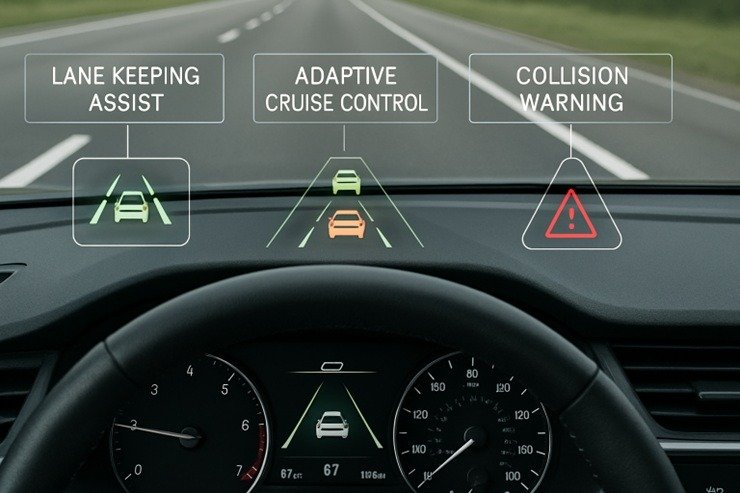
Modern automotive safety is undergoing a revolution. Today’s vehicles are equipped with advanced safety features that prioritize accident prevention and minimize the impact of collisions. These innovations, ranging from electronic driver aids to intelligent braking systems, are reshaping what it means to drive safely. As a result, drivers and passengers alike now benefit from improved protection and peace of mind on every trip. Learn more about how these cutting-edge technologies are transforming everyday driving experiences.
Vehicle safety technology is no longer limited to seat belts and airbags. It now includes a wide variety of systems designed to assist the driver and react faster than a human can. As adoption grows, these advancements are making a tangible difference in reducing traffic-related injuries and fatalities. According to the National Highway Traffic Safety Administration, the presence of modern safety features in new cars consistently leads to higher crash survival rates nationwide.
Manufacturers are not just focusing on front seat protection. They are also developing intelligent systems to safeguard all occupants, including people outside the vehicle. This includes everything from rear seat alerts that help prevent child heatstroke to AI-powered monitoring systems that support safer roads. Enhanced safety benefits every road user, from families in minivans to pedestrians crossing busy intersections.
Advanced Driver Assistance Systems (ADAS)
Advanced Driver Assistance Systems, or ADAS, are a powerful suite of technologies designed to make driving both safer and less stressful. These systems work seamlessly in the background, using data from cameras, radars, and sensors to monitor a vehicle’s surroundings. Features such as adaptive cruise control automatically adjust your speed in response to traffic, while lane departure warnings help correct unintentional drifting. Collision avoidance elements can intervene instantly, protecting occupants when human reaction time falls short. These technologies have contributed to a significant decrease in road accidents in recent years.
Automatic Emergency Braking (AEB)
Automatic Emergency Braking is reshaping collision prevention, especially in fast-paced or congested traffic. AEB constantly monitors for sudden obstacles or vehicles ahead and automatically applies the brakes if the driver does not react. This split-second intervention has been especially effective in reducing rear-end collisions. With NHTSA mandating that new passenger vehicles must feature AEB by 2029, the impact is expected to multiply exponentially across the coming years. Such regulatory initiatives underscore the life-saving potential of proactive braking systems.
Lane-Keeping Assist and Blind Spot Monitoring
Lane-keeping assist and blind spot monitoring systems address two of the most common causes of serious road accidents: unintentional lane drift and unsafe lane changes. Lane-keeping assist helps you stay centered in your lane by applying gentle steering corrections to prevent veering into neighboring traffic. Blind-spot monitoring visually or audibly alerts drivers when a car is lurking just out of view in the mirrors, significantly reducing the risk of dangerous side collisions. As these features become standard equipment on new vehicles, crash rates are expected to continue trending downward.
Pedestrian Detection Systems
Protecting vulnerable road users is becoming a focal point in automotive safety. Pedestrian detection systems employ advanced sensors and cameras to spot people in a vehicle’s path. If a potential collision is detected, the system can automatically trigger emergency braking. Given the rise in pedestrian fatalities in urban environments, this technology is more valuable than ever. In fact, NHTSA’s newest safety ratings place a strong emphasis on pedestrian automatic emergency braking due to its proven effectiveness in accident prevention.
Rear-Seat Safety Enhancements
Rear-seat safety is finally catching up to front-seat protection. Advances such as seat belt pretensioners, which instantly tighten upon crash detection, and load limiters, designed to minimize injury from belt force, are now available for back seat passengers. Rear-occupant alerts prompt drivers to check the rear seat for passengers before leaving the vehicle, an important step in preventing tragic accidents like children being left behind in hot cars. Consumer Reports highlights these innovations as some of the most impactful in current vehicle safety.
Artificial Intelligence in Road Safety
The adoption of artificial intelligence is taking road safety to a new level. Cities and manufacturers are using AI-powered systems to monitor roadways and identify hazards, such as potholes or worn lane lines, that could jeopardize safety. AI dashcams can now recognize dangerous driving conditions and alert drivers and city maintenance teams in real time. This technology enables problems to be addressed before they lead to accidents, which reflects a paradigm shift from reactive safety to proactive, predictive measures.
Future Trends in Vehicle Safety
The near future of automotive safety is marked by the ongoing integration of artificial intelligence and advanced automation. Expect features like smart tires that detect and broadcast hazardous road conditions, and augmented reality displays that overlay navigation and hazard warnings directly onto the windshield. Such innovations are already being tested in high-end vehicles and are anticipated to filter down to the mass market within the next decade.
Final Thoughts
In summary, today’s vehicle safety features offer more than just protection after an accident; they aim to prevent those accidents from happening at all. As car technology advances, every road user stands to benefit, bringing us closer to the goal of safer roadways nationwide.










How to Build an Investment Plan That Can Handle Market Swings

How Coastal Storms Overwhelm Residential Pipes During Drain Cleaning in Miami

How Skin Renewal Microneedling at Anne Therese Transforms Dull Skin

Natural Remedies Are Shaping the Next Generation of Mindful Lifestyles

What Visitors Should Know About Miami Roads, Rental Cars and Road Accidents

5 Signs You’re Not Just Busy, You’re Overwhelmed

How Hiring Emergency Water Damage Restoration Service Prevents Structural Rot

Planning a Lahore Heritage Break with Time to Explore

How Small Businesses Can Make Cross-Border Payments Faster, Clearer, and More Reliable

How Tampa Businesses Can Choose a Commercial Location

100 Motivational Quotes to Inspire You in 2026

How to Create a Vision Board That Actually Works (2026)

22 Best Self-Help Books to Read in 2026

How to Achieve Personal Growth in 2026

New Year Wishes and Quotes to Inspire and Celebrate (2026)

Loeb Smith reviews: Why Crypto Licensing Demands Patience, Structure, and Skepticism

How to Leverage Personal Development for Career Advancement

Top Fitness Coach Certification Programs for Aspiring Trainers

From Denver to Vail: Secrets, Snow, and Soul of the Rockies

How to Choose the Best Manali Tour Package for a Family-Friendly Vacation?
-

 Motivation6 years ago
4 Fun New Hobbies To Try This Year
-

 Quotes4 years ago
53 Motivational Gym Quotes to Fuel Gym Workout
-

 Quotes11 years ago
50 Most Powerful Quotes Ever Spoken
-

 Travel2 years ago
Why You Should Travel More: The Many Benefits of Seeing the World
-
 Quotes10 months ago
100 Motivational Quotes to Inspire You in 2026
-

 Quotes3 years ago
43 Inspirational Quotes About Thoughts
-

 Quotes4 years ago
Motivational Quotes by Famous People
-

 Quotes1 year ago
100 Motivational Quotes to Start Your Day with Positivity