
Health
Creating Your Own Rituals for Rest, Reflection, and Personal Time

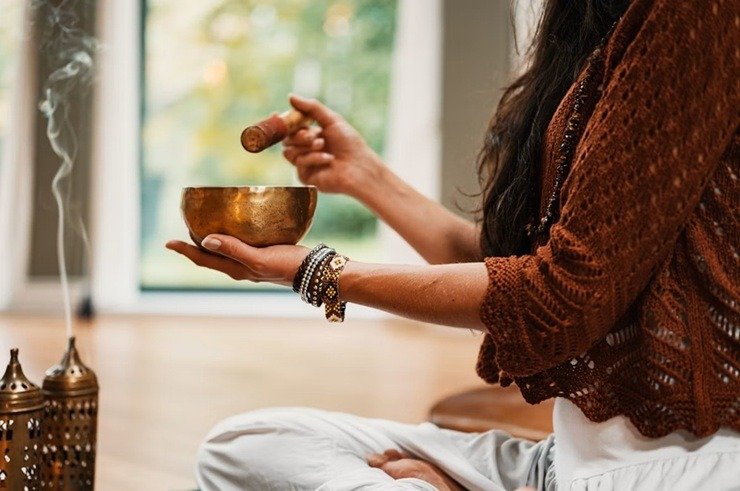
In an era defined by constant connectivity, endless notifications, and the relentless glorification of hustle culture, finding genuine rest has become a radical act. We often treat downtime as a brief pit stop to refuel before speeding back onto the highway of productivity. However, true rejuvenation requires more than just collapsing on the couch at the end of a long day. It requires intention, mindfulness, and a dedicated shift in how we approach our off-hours.
This is where the profound practice of creating personal rituals comes into play. Unlike mundane routines, which are tasks we perform on autopilot, rituals are imbued with meaning and presence. By developing your own rituals for rest, reflection, and personal time, you can transform ordinary moments into sacred pauses that nourish your mind, body, and spirit.
Designing Your Environment for Deep Rest
Many people incorporate natural elements and plant-based wellness into their relaxation rituals. Depending on your lifestyle and personal preferences, you might explore herbalism, romatherapy, or botanical supplements to help transition your mind into a restful state. For those who choose to incorporate cannabis into their wellness journey, selecting the right botanical profile is a ritual in its own right. Taking the time to thoughtfully research and compare different indica and sativa strains online allows you to curate an experience tailored to your specific needs. Whether you are seeking deep, full-body relaxation to prepare for sleep or a gentle, uplifting shift in perspective to aid in creative journaling.
Understanding the Difference Between Routine and Ritual
To begin crafting your personal sanctuary of time, it is essential to understand the fundamental difference between a routine and a ritual. You likely already have an evening routine: brushing your teeth, locking the doors, setting your alarm, and perhaps scrolling through social media before turning off the lamp. These actions are highly utilitarian; they are designed to get you from point A to point B as efficiently as possible.
A ritual, on the other hand, is an act performed with focused attention and symbolic meaning. Making a cup of tea can be a routine if you hastily dunk a teabag into hot water while answering work emails. It becomes a ritual when you take the time to boil the water, select a specific herbal blend, feel the warmth of the mug in your hands, and inhale the aroma before taking your first mindful sip. Rituals signal to your brain that it is time to transition from an active state of doing to a receptive state of being.
Cultivating Practices for Inner Reflection
Once you have established a comforting environment, the next step is to introduce practices that facilitate introspection. Reflection is a critical component of personal growth, yet we rarely carve out the silence necessary to actually listen to our own thoughts.
Journaling is one of the most accessible and effective rituals for reflection. By putting pen to paper, you externalize your internal chatter, making it easier to process complex emotions and let go of the day’s stressors. You do not need to be a skilled writer; simply engaging in a “brain dump” or listing three things you are grateful for can profoundly shift your mindset.
Meditation and breathwork are also powerful reflective tools. Even dedicating just five to ten minutes to focus on your breathing can activate the parasympathetic nervous system, commonly known as the “rest and digest” state. This physical shift lowers your heart rate, reduces cortisol levels, and creates a spaciousness in your mind that is essential for genuine, unhurried reflection.
Setting Boundaries to Protect Your Peace
A ritual can only survive if you actively protect the time and space required to perform it. In a world that constantly demands our attention, setting boundaries is perhaps the most challenging aspect of dedicating time to yourself.
Establishing a digital sunset is a crucial boundary to implement. The blue light emitted by our screens interferes with our circadian rhythms, while the constant influx of information keeps our brains on high alert. Try creating a ritual where you power down all electronic devices at least one hour before you intend to sleep. Place your phone in another room, and replace screen time with reading a physical book, stretching, or listening to calming music.
You must communicate your boundaries to those around you. Let your family or roommates know that a specific hour of the evening is your dedicated personal time. By treating this time as a non-negotiable appointment with yourself, you teach others to respect your need for solitude.
Creating rituals for rest, reflection, and personal time is not about adding another demanding task to your to-do list. It is about intentionally reclaiming your time and energy. You do not need an elaborate, hours-long ceremony to experience the benefits. By honoring your need to pause, you ultimately equip yourself to engage with the world more fully, vibrantly, and authentically.














Hair Transplant Technology in Istanbul

Creating Your Own Rituals for Rest, Reflection, and Personal Time

How Hiring A Professional Plumber Saves You Money On Water Bills

Plumbing Emergencies: A Homeowner’s Guide for Finding a Plumber Near Me

Why Homeowners Trust Professionals for Drain Cleaning in Portland

How Choosing Self Storage San Antonio Simplifies Downsizing for Seniors

Why Homeowners Should Schedule Regular Inspections With a Certified Plumber

How to Build an Investment Plan That Can Handle Market Swings

How Coastal Storms Overwhelm Residential Pipes During Drain Cleaning in Miami

How Skin Renewal Microneedling at Anne Therese Transforms Dull Skin

100 Motivational Quotes to Inspire You in 2026

How to Create a Vision Board That Actually Works (2026)

22 Best Self-Help Books to Read in 2026

How to Achieve Personal Growth in 2026

New Year Wishes and Quotes to Inspire and Celebrate (2026)

Loeb Smith reviews: Why Crypto Licensing Demands Patience, Structure, and Skepticism

How to Leverage Personal Development for Career Advancement

Top Fitness Coach Certification Programs for Aspiring Trainers

From Denver to Vail: Secrets, Snow, and Soul of the Rockies

How to Choose the Best Manali Tour Package for a Family-Friendly Vacation?
-

 Motivation6 years ago
4 Fun New Hobbies To Try This Year
-

 Quotes4 years ago
53 Motivational Gym Quotes to Fuel Gym Workout
-

 Quotes11 years ago
50 Most Powerful Quotes Ever Spoken
-

 Travel2 years ago
Why You Should Travel More: The Many Benefits of Seeing the World
-
 Quotes10 months ago
100 Motivational Quotes to Inspire You in 2026
-

 Quotes3 years ago
43 Inspirational Quotes About Thoughts
-

 Quotes4 years ago
Motivational Quotes by Famous People
-

 Quotes1 year ago
100 Motivational Quotes to Start Your Day with Positivity