
Lifestyle
Blinds and Energy Efficiency: How They Can Reduce Your Bills

Key Takeaways
- Well-chosen blinds can reduce window-related energy loss by up to 30%.
- Certain blinds provide higher insulation and efficiency than others.
- Using blinds together with other window treatments amplifies energy savings.
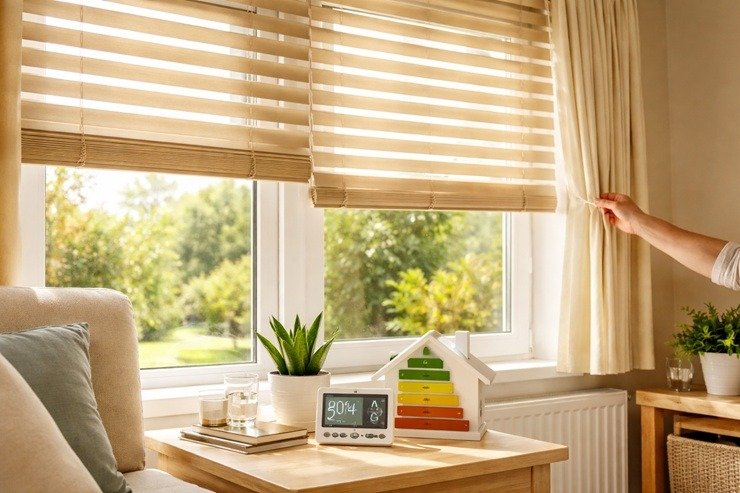
For homeowners seeking practical ways to cut ongoing household expenses, reducing energy consumption is one of the most effective strategies. While modern insulation and efficient HVAC systems are often discussed, another useful tactic can be found at your windows. By strategically choosing and using window blinds, you can significantly boost your home’s energy efficiency and cut costs.
Many people overlook how much window treatments can affect heating and cooling bills. Windows are a common source of both winter heat loss and summer heat gain. With thoughtfully selected blinds and the right usage habits, you can create a more comfortable indoor environment while enjoying noticeable savings on your utility bills.
Beyond style and privacy, some blinds are engineered for insulation. The effectiveness of these blinds, combined with other smart practices and products, means real results for your budget and the environment.
Implementing even a few strategies from this guide can help you minimize drafts, maintain indoor temperatures, and get more from your existing windows.
Understanding the Impact of Windows on Energy Consumption
Windows account for a significant portion of energy lost in residential buildings. The U.S. Department of Energy reports that 25% to 30% of home heating and cooling energy escapes through windows. During the hottest days, large amounts of unwanted solar heat can enter your home, forcing air conditioners to work harder. In colder months, heat loss through glass reduces indoor comfort and increases heating costs. Even the best windows are often the weakest points in a home’s envelope when it comes to insulation efficiency. By targeting this area with energy-efficient window coverings, you can make a measurable difference in your household energy use.
Types of Energy-Efficient Blinds
The type of blinds you choose has a substantial effect on how much energy you save. Here are the leading options known for their energy-saving performance:
- Cellular Shades: These innovative blinds feature a honeycomb structure that traps air in small pockets. The trapped air provides insulation, helping keep rooms warmer in winter and cooler in summer.
- Solar Shades: Designed to block UV rays and harsh sunlight, solar shades help limit the heat that enters your home during summer. These blinds are ideal for rooms with a lot of direct sun and can reduce glare while letting in natural light. Their ability to reduce summer heat gain means your air conditioning system does not have to work as hard.
- Roman Blinds with Thermal Linings: A favorite for their classic look, Roman blinds with thermal or blackout linings also provide insulation. The extra lining adds a barrier, reducing both heat transfer and drafts while enhancing the overall coziness of your living spaces.
Best Practices for Using Blinds to Save Energy
Getting the most from your blinds means using them thoughtfully throughout the year. Try these energy-saving habits:
- Close Blinds During Peak Sunlight: Preventing strong sunlight from entering during the afternoon (especially in summer) can reduce your cooling needs. South- and west-facing windows benefit most from closed blinds during the heat of the day.
- Open and Close with the Seasons: In winter, open blinds on sun-facing windows during the day for natural heating and close them at night for insulation. Reverse this approach in the summer to keep rooms cool.
- Install for a Snug Fit: Ensure your blinds fit closely within the window frame. A tight fit limits airflow through gaps, keeping air-conditioned or heated air where you want it.
Combining Blinds with Other Window Treatments
Layering different types of window coverings increases energy efficiency. Consider these approaches:
- Layer with Curtains: Combining heavy curtains with blinds gives an extra insulation layer, especially useful in rooms exposed to extreme temperatures. Close both at night in winter or during the hottest part of the day in summer for maximum benefit.
- Apply Reflective Window Films: Adding a reflective or tinted window film can prevent excess heat from entering, making blinds even more effective. These films are particularly useful in climates with long, hot summers.
- Install Exterior Shutters: Exterior shutters block sunlight and heat from even reaching your windows, providing another line of defense against temperature swings.
Cost-Benefit Analysis of Installing Energy-Efficient Blinds
Upgrading to energy-efficient blinds does require upfront investment. For example, cellular shades might cost between $100 and $300 per window. However, these shades can often cut heating and cooling costs by as much as 25%. With energy prices continuing to rise, homeowners typically recoup their costs within a few years. The savings can continue to add up over the lifetime of the blinds, along with the benefits of improved comfort and a reduced environmental footprint. For detailed statistics on home energy use, visit the U.S. Department of Energy’s guide to updating or replacing windows.
Additional Tips for Enhancing Window Energy Efficiency
Enhancing your windows’ energy efficiency can increase comfort and reduce utility costs. Seal gaps around the frames using caulking or weatherstripping to stop drafts. For a more substantial upgrade, swap out single-pane windows for double- or triple-glazed options, which provide better insulation, especially when combined with blinds. Automate your window treatments with smart or motorized blinds to easily manage energy use.
Conclusion
With a well-rounded approach that combines smart product choices, best practices, and practical upgrades, you can turn your home’s windows from weak spots into year-round sources of savings. Even small changes, like upgrading to the right blinds and layering with additional treatments, can lead to a noticeable reduction in your monthly bills and an overall increase in home comfort.



Trading BTC During Geopolitical Tensions: Lessons from Iran Conflicts

Financial Blind Spots That Are Secretly Draining Your Startup Profits

Tips for Buying and Selling Luxury Homes

Safe and Effective Ways to Relieve Back Pain at Home

How Commitment to a Challenge Can Redefine Your Limits

What Training for a Marathon Teaches You About Resilience

Key Elements Tenants Should Look for in a Commercial Office Space

How to Streamline Your Industrial Supply Chain for Maximum Efficiency

Essential Boat Cover Maintenance Tips for Longevity

From Virtual Hits to Real Molecules: How to Address Synthetic Accessibility of the Chemical Spaces

100 Motivational Quotes to Inspire You in 2026

100 Motivational Quotes to Start Your Day with Positivity

22 Best Self-Help Books to Read in 2026

How to Create a Vision Board That Actually Works (2026)

Changing Your Spending Habits

How to Achieve Personal Growth in 2026

New Year Wishes and Quotes to Inspire and Celebrate (2026)

Top 50 Motivational Quotes for Success and Hard Work

Do I Have to Pay a Debt That’s Very Old?

5 Excellent Reasons for a Healthcare Provider to Utilise the Services of a Nursing Agency
-

 Motivation5 years ago
4 Fun New Hobbies To Try This Year
-

 Quotes3 years ago
53 Motivational Gym Quotes to Fuel Your Workout
-

 Travel1 year ago
Why You Should Travel More: The Many Benefits of Seeing the World
-

 Quotes10 years ago
50 Most Powerful Quotes Ever Spoken
-
 Quotes3 months ago
100 Motivational Quotes to Inspire You in 2026
-

 Quotes2 years ago
43 Inspirational Quotes About Thoughts
-

 Quotes3 years ago
105 Motivational Quotes by Famous People
-
 Quotes8 months ago
100 Motivational Quotes to Start Your Day with Positivity