
Travel
First-Time Travel Guide to Tokyo: What Every Visitor Should Know

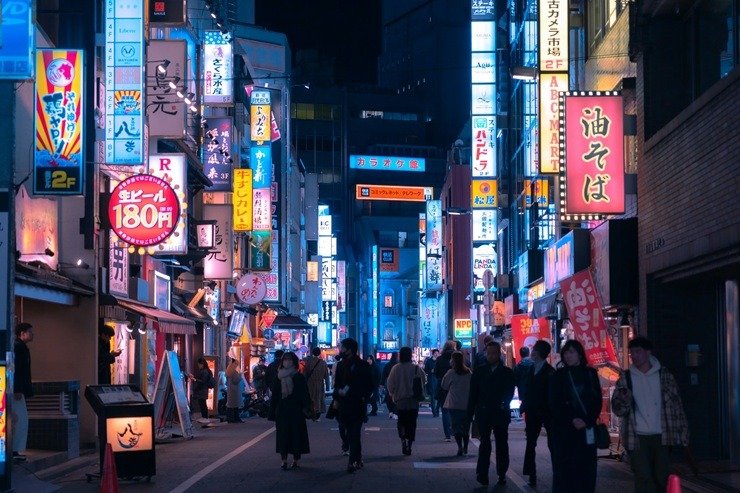
Photo by mos design on Unsplash
Are you dreaming of neon lights, ancient temples, and bustling streets all in one city? Wondering how to navigate one of the largest and most vibrant capitals in the world? Curious about what makes Tokyo a unique blend of modern innovation and timeless tradition? If so, Tokyo is ready to amaze you. For first-time visitors, the city can be both exhilarating and overwhelming, but with the right guide, your trip can be smooth, enjoyable, and unforgettable.
When to Visit
Tokyo is a year-round destination, but timing your visit can greatly impact your experience. Spring (March to May) is famous for cherry blossom season, when parks like Ueno Park and Shinjuku Gyoen transform into a pink wonderland. Autumn (September to November) offers mild weather and stunning fall foliage, particularly in areas like Meiji Jingu Gaien. Summer can be hot and humid, with occasional typhoons, while winter is chilly but perfect for exploring seasonal illuminations and enjoying Tokyo’s hot springs.
Navigating the City
Tokyo’s public transportation system is famously efficient but can seem daunting at first. The Tokyo Metro and JR Yamanote Line are the backbone of the city’s transit. Key tips for first-timers:
Get a Suica or Pasmo card: These rechargeable smart cards make using trains, buses, and even some vending machines easier.
Learn basic station etiquette: Stand on the correct side of escalators (usually left in Tokyo), avoid loud phone calls on trains, and wait in line to board.
Use Google Maps or Japan Transit Planner: These apps help you navigate Tokyo’s extensive rail network with confidence.
Taxis are available, but they can be expensive and drivers may not speak English fluently, so public transport is usually the most practical option.
Where to Stay
Tokyo’s neighborhoods each have unique personalities, making your choice of accommodation important.
Shinjuku: A bustling hub full of shopping, nightlife, and entertainment. Ideal for those who want to be in the action.
Shibuya: Famous for the iconic Shibuya Crossing and youthful vibe, perfect for trendy cafes and fashion shopping.
Asakusa: Offers a more traditional experience with historic temples like Senso-ji and access to quaint markets.
Ginza: High-end shopping and luxury hotels, perfect for those seeking elegance and sophistication.
Akihabara: A paradise for electronics and anime fans, packed with themed cafes and tech shops.
Choosing the right area depends on your priorities: nightlife, shopping, culture, or convenience. Many first-time travelers also find it helpful to research Japan hotels in advance to balance comfort, cost, and location.
Must-See Attractions
Tokyo is full of attractions that cater to all interests. Some highlights include:
Senso-ji Temple (Asakusa): Tokyo’s oldest temple, known for its impressive Kaminarimon Gate and bustling shopping street, Nakamise-dori.
Meiji Shrine (Harajuku): Nestled in a lush forest, this Shinto shrine offers a peaceful retreat and insight into Japanese traditions.
Tokyo Tower and Tokyo Skytree: Both offer panoramic views of the city, with Skytree being the tallest structure in Japan.
Shibuya Crossing: Possibly the world’s busiest pedestrian crossing, it’s a must-see spectacle, especially from a nearby café or overpass.
Tsukiji Outer Market: While the inner wholesale market has moved, the outer market remains a food lover’s paradise with fresh sushi, snacks, and kitchenware.
Odaiba: A man-made island offering futuristic attractions, shopping, entertainment complexes, and stunning views of the Rainbow Bridge.
For art and pop culture enthusiasts, teamLab Borderless, an immersive digital art museum in Odaiba, and Ghibli Museum in Mitaka are unforgettable experiences.
Food and Dining
Tokyo is a culinary paradise, offering everything from Michelin-starred restaurants to humble street food. Key foods to try include:
Sushi and Sashimi: Fresh seafood is abundant. Famous spots include Sushi Dai at Tsukiji Outer Market.
Ramen: Varieties abound, from miso to tonkotsu. Popular chains like Ichiran provide a unique solo dining experience.
Tempura: Lightly battered and fried seafood or vegetables, available in specialty restaurants across the city.
Yakitori: Grilled skewers of chicken and vegetables, often served with sake in izakayas (Japanese pubs).
Street Snacks: Takoyaki (octopus balls) and taiyaki (fish-shaped pastries filled with sweet red bean paste) are perfect for quick bites.
Remember that tipping is not customary in Japan; excellent service is already included.
Cultural Etiquette
Understanding basic Japanese etiquette can enhance your experience and show respect for local customs:
- Remove shoes when entering homes, certain traditional inns (ryokan), and temples.
- Use both hands when giving or receiving money, gifts, or business cards.
- Respect queues in trains, elevators, and stores; cutting in line is considered rude.
- Speak softly in public spaces, as loud conversations are frowned upon.
- Cash is king: While credit cards are becoming more accepted, many smaller shops and restaurants prefer cash.
Learning a few Japanese phrases such as “arigato” (thank you) and “sumimasen” (excuse me/sorry) goes a long way in showing politeness.
Shopping in Tokyo
Tokyo is a shopper’s paradise with everything from high fashion to quirky pop culture items:
Ginza: Luxury brands and flagship stores for fashion enthusiasts.
Harajuku: Trendy and youth-oriented fashion boutiques, plus unique street styles.
Akihabara: Electronics, anime, manga, and gaming merchandise.
Shinjuku: Department stores, electronics, and nightlife.
Nakamise-dori (Asakusa): Traditional souvenirs, crafts, and snacks.
Remember to carry a small bag for purchases, as many shops provide minimal packaging unless requested.
Day Trips from Tokyo
If you have extra time, Tokyo offers excellent day-trip options:
Hakone: Famous for hot springs, Lake Ashi, and views of Mount Fuji.
Nikko: Home to UNESCO World Heritage shrines and scenic natural beauty.
Kamakura: A historic coastal town with giant Buddha statues and serene temples.
Yokohama: Just south of Tokyo, offering a lively Chinatown, waterfront attractions, and the CupNoodles Museum.
These trips give a refreshing contrast to Tokyo’s urban intensity.
Safety and Health Tips
Tokyo is one of the safest major cities in the world, but staying prepared is important:
Emergency numbers: Dial 110 for police and 119 for fire or ambulance services.
Travel insurance: Highly recommended for medical emergencies and travel disruptions.
Hydration and walking shoes: Tokyo involves a lot of walking, so comfortable footwear and staying hydrated are essential.
Wi-Fi and SIM cards: Consider renting a pocket Wi-Fi or buying a Japanese SIM card for easy navigation and translation.
Tokyo is a city of contrasts—ancient temples and ultra-modern architecture, serene gardens and bustling streets. First-time visitors are often struck by its energy, cleanliness, and remarkable efficiency. With careful planning, an open mind, and a sense of adventure, your trip to Tokyo will be unforgettable. From savoring sushi at dawn to wandering neon streets at night, Tokyo offers experiences that will stay with you long after you leave.
By embracing both its traditions and innovations, first-time travelers can unlock the heart of Japan’s capital, creating memories that will last a lifetime.







Flat and Low-Slope Roofing Repairs Explained

How a Multi-Car Insurance Policy Can Simplify Your Life

First-Time Travel Guide to Tokyo: What Every Visitor Should Know

Know How To Choose The Right CBAM Reporting Software For Your Organization

Octobank: Women’s Financial Activity Strengthens Uzbekistan’s Entrepreneurial Environment

Phenotypic Screening in Oncology: Why Chemical Diversity Determines Success

How AI Is Changing the Future of Recruitment

Why Your Skin Looks Dull and Tired (And What Actually Works to Brighten It)

Four Security Habits That Successful Business Owners Never Ignore

5 Strategic Steps to Mastering a Self-Managed Super Fund

100 Motivational Quotes to Inspire You in 2026

100 Motivational Quotes to Start Your Day with Positivity

22 Best Self-Help Books to Read in 2026

Changing Your Spending Habits

How to Create a Vision Board That Actually Works (2026)

New Year Wishes and Quotes to Inspire and Celebrate (2026)

How to Achieve Personal Growth in 2026

Top 50 Motivational Quotes for Success and Hard Work

How Are Natural Remedies Changing Lives?

Do I Have to Pay a Debt That’s Very Old?
-

 Motivation5 years ago
4 Fun New Hobbies To Try This Year
-

 Quotes3 years ago
53 Motivational Gym Quotes to Fuel Your Workout
-

 Quotes10 years ago
50 Most Powerful Quotes Ever Spoken
-

 Travel1 year ago
Why You Should Travel More: The Many Benefits of Seeing the World
-
 Quotes3 months ago
100 Motivational Quotes to Inspire You in 2026
-

 Quotes2 years ago
43 Inspirational Quotes About Thoughts
-

 Quotes3 years ago
105 Motivational Quotes by Famous People
-
 Quotes8 months ago
100 Motivational Quotes to Start Your Day with Positivity