
Health
The Real Reason Most Fitness Plans Fail, and How to Fix It


Most fitness plans fail for one simple reason. They ask for too much change, too fast. The plan looks perfect on day one. Then real life shows up. Work runs late. Energy drops. A small ache turns into a skipped week. After that, the plan feels “broken.”
This is not a motivation problem. It is a design problem. A good plan should survive messy weeks. It should also feel easy to restart after a break. That is the real test.
The fix is not a new diet. It is not a tougher workout. It is a system that makes consistency easier.
Why “All Or Nothing” Thinking Destroys Progress
Many plans are built around a fantasy version of the week. Five workouts. Perfect meals. Early nights. No stress. That is not how most people live.
When the plan is too strict, one missed day feels like failure. That mindset kills momentum fast. People stop because the plan feels ruined.
A better approach is “always something.” If time is short, do a short session. If energy is low, do a lighter session. The goal is to keep the habit alive.
Progress comes from repetition. Not perfection.
Why Most Plans Ignore Friction
Friction is anything that makes starting harder. A long drive to the gym. A class schedule. Complex meal prep. Even unclear instructions.
Plans fail when they do not account for friction. People do not quit because they do not care. They quit because the plan becomes annoying.
Reducing friction is the fastest way to improve consistency, and NIH shares tips for starting physical activity when life gets busy.
Here are common friction points.
- Too much equipment is needed
- Workouts that take too long
- No clear “what to do today” plan
- Too many rules around food
- Too much intensity, too soon
A plan should be simple enough to do on a tired day.
The Fix: Build a Plan That Fits the Week You Actually Have
The best plan is one that can repeat for months. That means it must fit real schedules. It must also allow bad days without guilt.
Start by choosing a minimum goal. This is the baseline that happens even on busy weeks.
A simple minimum goal looks like this.
- 2 strength sessions per week
- 1 mobility session per week
- 2 short walks on off days
That is enough to make progress. It also feels realistic. Anything extra becomes a bonus, not a requirement.
Why Strength Training Should Be The Foundation
Strength training solves many common problems. It builds muscle and joint stability. It supports posture and confidence. It also improves daily movement.
Many plans focus only on calorie burn. That approach often fails because it feels punishing. Strength work feels more rewarding. Progress shows up in the body and in daily life.
Strength work also improves resilience. When the body feels stronger, it is easier to stay active.
Why Low-Impact Training Helps People Stick With It
High-impact workouts can be effective. They can also backfire. Sore joints and fatigue can lead to skipped sessions. That stops progress.
Low-impact strength training can be easier to repeat. It still builds muscle and endurance. It simply reduces the wear and tear that often ends routines.
This is why Pilates-based strength has become popular. It combines control with resistance. It can feel intense without being rough.
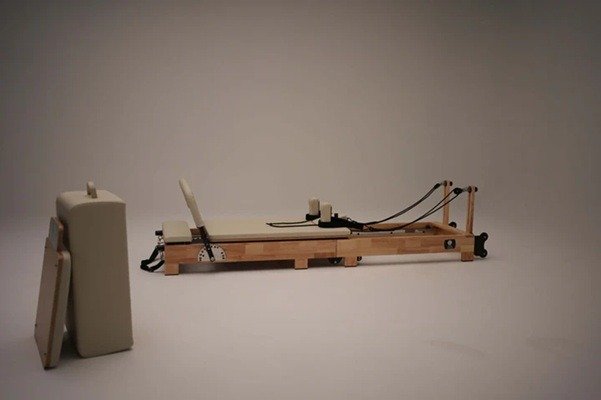
For people building a home routine, a modern pilates reformer machine is a good choice for home workouts. can make training more consistent. It adds structure and resistance without a complex setup.
How To Make “Bad Weeks” Part of the Plan
Bad weeks will happen. Travel, illness, deadlines, family needs. A good plan does not collapse when life changes.
Build two versions of the same plan.
The Standard Week
- 2–3 strength sessions
- 1 mobility session
- 2 walks
The Busy Week
- 1 strength session
- 1 short mobility session
- 2 short walks
This keeps momentum alive. It also keeps identity intact. Training stays part of life, even when life is full.
Why People Overdo It At The Start
A common mistake is starting with maximum effort. Five workouts, strict food rules, and no rest. It feels exciting, but it is fragile, so Mayo Clinic Health System advises people to start slowly and build up.
When the plan is too intense, recovery becomes the problem. Fatigue builds. Motivation drops. The first missed day feels like a collapse.
A better start is moderate and repeatable. Intensity can grow later. Habit must come first.
The “Two-Day Rule” That Saves Most Routines
This rule is simple. Never skip two planned sessions in a row. One skip is normal. Two skips become a pattern.
If a session is missed, the next session becomes non-negotiable. It can be short. It can be easier. It just must happen.
This rule protects momentum. It also reduces guilt spirals.
How To Track Progress Without Obsessing
Tracking can help, but it should not become another job. Use simple markers that show real change.
Good progress markers include these.
- Better posture and less tightness
- Stronger balance and smoother movement
- More energy during the day
- Better sleep consistency
- Higher confidence in physical tasks
These are meaningful outcomes. They also encourage long-term commitment.
Where High-Intensity Reformers Can Fit
Some people want more challenge without adding impact. High-intensity reformer training can meet that need. It uses resistance and a slow tempo to build strength.
Sculptformer is one example in this category. It is a high-resistance Pilates reformer-style machine. It supports controlled, full-body training. It is often compared with other studio-style formats.
The key point is not the brand name. The key point is the method. Controlled resistance. Full-body structure. Repeatable sessions.
Final Thoughts
Fitness plans fail when they are built for perfect weeks. Real life is not perfect. A good plan survives stress, missed days, and low energy.
The fix is simple, but not easy. Reduce friction. Lower the minimum. Make the plan repeatable. Build a “busy week” version. Keep strength training as the base. Use low-impact options when joints need support.
Consistency is the real secret. Keep showing up in small ways. That is how plans finally work.












Same-Day Residential Ac Repair by One Way Heating & Cooling vs DIY Fixes: The Decision Factor

The Attention Economy: Why Modern Users Prefer Interactive Learning Over Long Tutorials

Leadership Transformation in Modern Business: Moving Beyond Traditional Coaching

Homeowners: What to Look for When Choosing a Reliable Ac Repair Company in Las Vegas

Pregnant Women: Key Considerations When Seeking a Webster Technique Chiropractor

Scholarly Stars – 6 Surefire Keys To Successful Studies

Kitchen Kit-Up – The 6 Indispensable Items You Need To Get Your Kitchen Ready For Action

Exeter’s Student Housing Scene Is Expanding – What 2026 Students Should Know

How Historic Architecture Boosts Real Estate Value

Why Understanding Party Wall Agreements in Essex Is Important Before Building

100 Motivational Quotes to Inspire You in 2026

100 Motivational Quotes to Start Your Day with Positivity

22 Best Self-Help Books to Read in 2026

How to Create a Vision Board That Actually Works (2026)

Changing Your Spending Habits

Top 50 Motivational Quotes for Success and Hard Work

How to Achieve Personal Growth in 2026

New Year Wishes and Quotes to Inspire and Celebrate (2026)

Do I Have to Pay a Debt That’s Very Old?

5 Excellent Reasons for a Healthcare Provider to Utilise the Services of a Nursing Agency
-

 Motivation5 years ago
4 Fun New Hobbies To Try This Year
-

 Quotes3 years ago
53 Motivational Gym Quotes to Fuel Your Workout
-

 Travel1 year ago
Why You Should Travel More: The Many Benefits of Seeing the World
-

 Quotes10 years ago
50 Most Powerful Quotes Ever Spoken
-
 Quotes3 months ago
100 Motivational Quotes to Inspire You in 2026
-

 Quotes2 years ago
43 Inspirational Quotes About Thoughts
-

 Quotes3 years ago
105 Motivational Quotes by Famous People
-
 Quotes9 months ago
100 Motivational Quotes to Start Your Day with Positivity