
Lifestyle
Waterproofing Guide for Your RC Vehicle

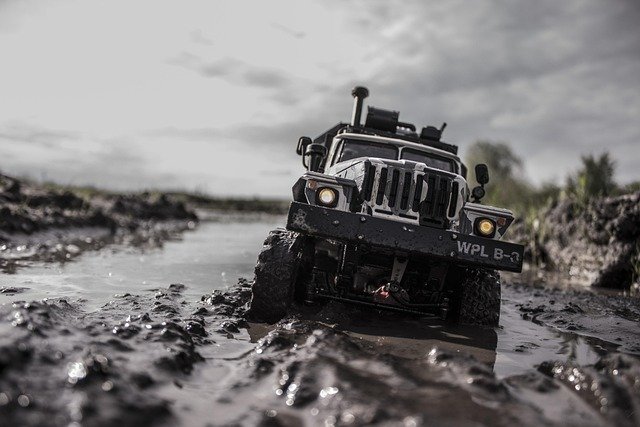
Image by Pixabay
Adventure Comes With Risk
Remote control (RC) vehicles are made for adventure. From muddy trails to shallow puddles, wet grass, and even light snow, these machines are built to handle rough terrain. However, water remains one of the biggest threats to RC electronics. Even small amounts of moisture can damage sensitive components, leading to short circuits, corroded connectors, or malfunctioning servos. Whether you drive a nimble crawler like the Axial SCX10 II, a high-speed basher such as the Traxxas Slash 4X4, or a powerful monster truck like the Arrma Kraton 6S, understanding how to waterproof your vehicle can dramatically extend its life and save you money on repairs.
Why Waterproofing Matters
Waterproofing goes beyond simply running through puddles. It’s about protecting electronics, drivetrain components, and metal parts from the gradual effects of water, mud, and corrosion. Moisture can cause a host of problems, from rusty bearings to degraded battery performance. Even if a component is labeled “water-resistant,” repeated exposure can still lead to failure. That’s why a proactive approach to waterproofing is essential for any RC enthusiast who enjoys wet or unpredictable conditions.
Waterproof vs. Water-Resistant: Know the Difference
Many RC manufacturers advertise vehicles as “waterproof,” but there is an important distinction to understand. True waterproof electronics are designed to survive submersion for a limited time, while water-resistant components can only handle light splashes. Even vehicles marketed as waterproof benefit from additional protection. If you’re unsure of your model’s rating, your local RC shop can provide guidance and recommend extra waterproofing solutions. Taking the time to reinforce your electronics is especially worthwhile for those who frequently drive in wet environments or participate in off-road competitions.
Protecting Your Receiver
The receiver is particularly sensitive because it controls communication between your transmitter and the vehicle. Many RC cars come with a sealed receiver box, but if yours doesn’t, installing a waterproof box or even a makeshift protective balloon can be effective. Routing wires carefully through rubber seals and applying silicone around openings will further reduce the risk of water intrusion.
Shielding the ESC
Electronic speed controllers (ESCs) are another critical point. Many modern ESCs are sealed in epoxy, but older models or budget ESCs may require extra protection. Applying a conformal coating or a layer of Plasti Dip can shield the circuit board from moisture while still allowing proper cooling. It’s essential not to cover heat sinks or fans, as these components prevent overheating during operation.
Servos and Motor Protection
Servos and motors are equally vulnerable. Moisture can damage servo gears or electronics, particularly in high-torque applications such as rock crawling. Applying marine grease around seals and a thin layer of silicone can protect standard servos, though upgrading to waterproof models, such as those from Savox, provides extra reliability. Brushed motors generally tolerate water better than brushless ones, but all motors benefit from cleaning and drying after exposure. Bearings and bushings should be lightly oiled to prevent rust, and any signs of corrosion should be addressed promptly.
Battery Connectors and Switches
Battery connectors and switches are often overlooked yet remain critical to waterproofing. Water entering connectors can cause power issues or corrosion. Applying dielectric grease and using heat shrink tubing helps keep moisture out, while switches can be protected with rubber boots or liquid electrical tape. For advanced setups, relocating the switch inside a sealed receiver box provides additional security.
Maintaining Bearings and Metal Parts
Even if electronics are protected, metal components and bearings are still at risk from water. Water can seep into the drivetrain, causing rust and premature wear. Using sealed bearings and applying light lubricant after wet runs prevents corrosion and maintains smooth operation. Snow and mud require special attention: snow melts into water, while mud traps moisture, both of which can damage electronics and metal parts if left unchecked.
Advanced Waterproofing Techniques
For enthusiasts who frequently drive in wet or muddy conditions, advanced waterproofing options are available. Chassis tape can seal openings, inner fenders block tire splash, and corrosion inhibitor sprays designed for marine use can protect exposed metal. Many modern radio systems, such as those from Spektrum, include water-resistant receivers, allowing confident operation even in challenging environments.
Common Mistakes to Avoid
A few common mistakes can undermine waterproofing efforts. Sealing electronics without allowing heat dissipation, fully submerging non-waterproof brushless systems, neglecting post-run maintenance, and using excessive silicone that traps moisture are frequent pitfalls. Even well-sealed vehicles can fail if airflow is blocked, making post-run inspection and care essential.
Full Submersion Risks
It’s important to understand that even waterproof RC components have limits. Prolonged submersion can force moisture into seals and gears, potentially causing damage. Splashing through puddles and shallow water is generally safe if your vehicle is prepared, but deep water crossings should always be approached cautiously.
Why Waterproofing Is Worth It
The benefits of waterproofing are clear. Drivers who enjoy wet climates, muddy trails, or snowy terrain can reduce repair costs, protect their investment, and maintain confidence in their vehicle. Proper waterproofing allows for longer, more reliable run times and ensures your RC vehicle performs optimally even in unpredictable conditions.
Final Thoughts
Waterproofing your RC vehicle is not just about splashing through puddles—it’s about smart preparation and preventative care. Protecting electronics, sealing vulnerable points, and maintaining drivetrain components ensures your car or truck is ready for any terrain. With proper waterproofing, regular drying, and careful maintenance, your RC vehicle can continue performing at its best, letting you focus on the fun of driving rather than worrying about water damage.












Trading BTC During Geopolitical Tensions: Lessons from Iran Conflicts

Financial Blind Spots That Are Secretly Draining Your Startup Profits

Tips for Buying and Selling Luxury Homes

Safe and Effective Ways to Relieve Back Pain at Home

How Commitment to a Challenge Can Redefine Your Limits

What Training for a Marathon Teaches You About Resilience

Key Elements Tenants Should Look for in a Commercial Office Space

How to Streamline Your Industrial Supply Chain for Maximum Efficiency

Essential Boat Cover Maintenance Tips for Longevity

From Virtual Hits to Real Molecules: How to Address Synthetic Accessibility of the Chemical Spaces

100 Motivational Quotes to Inspire You in 2026

100 Motivational Quotes to Start Your Day with Positivity

22 Best Self-Help Books to Read in 2026

How to Create a Vision Board That Actually Works (2026)

Changing Your Spending Habits

How to Achieve Personal Growth in 2026

New Year Wishes and Quotes to Inspire and Celebrate (2026)

Top 50 Motivational Quotes for Success and Hard Work

Do I Have to Pay a Debt That’s Very Old?

5 Excellent Reasons for a Healthcare Provider to Utilise the Services of a Nursing Agency
-

 Motivation5 years ago
4 Fun New Hobbies To Try This Year
-

 Quotes3 years ago
53 Motivational Gym Quotes to Fuel Your Workout
-

 Travel1 year ago
Why You Should Travel More: The Many Benefits of Seeing the World
-

 Quotes10 years ago
50 Most Powerful Quotes Ever Spoken
-
 Quotes3 months ago
100 Motivational Quotes to Inspire You in 2026
-

 Quotes2 years ago
43 Inspirational Quotes About Thoughts
-

 Quotes3 years ago
105 Motivational Quotes by Famous People
-
 Quotes8 months ago
100 Motivational Quotes to Start Your Day with Positivity