
Health
Why Are Natural Wellness Supplements Gaining Attention for Everyday Recovery Support?

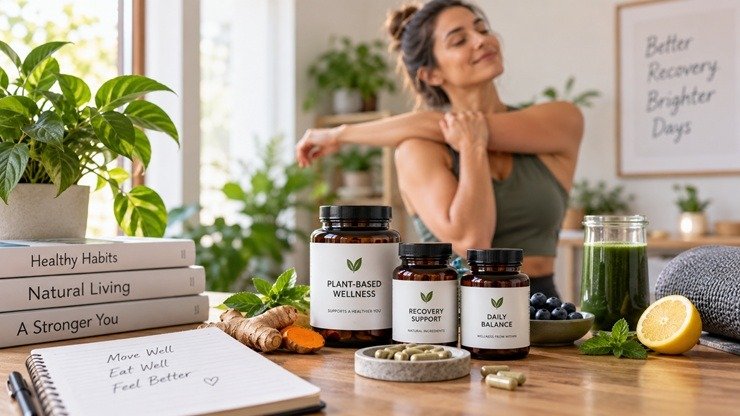
Everyday recovery is receiving more attention as people look for manageable ways to unwind after demanding workdays, exercise, travel, household responsibilities, and busy personal schedules. Natural wellness supplements have become part of this conversation because many consumers are interested in plant-derived ingredients that can fit easily into existing routines. Their appeal does not mean they replace sleep, hydration, nutritious meals, movement, or appropriate healthcare. Instead, they are often considered optional additions to a broader wellness approach. Interest continues to grow as people place greater value on rest, consistency, and simple habits that help create clearer boundaries between activity and recovery.
Why Recovery Routines Are Changing
1. How Busy Lifestyles Encourage Interest in Convenient Wellness Options
Modern schedules can make recovery feel difficult to prioritize. Someone may finish a demanding workday and immediately move into commuting, family responsibilities, errands, exercise, or household tasks, leaving little uninterrupted time for rest. Natural wellness supplements attract attention partly because many formats are designed to fit easily around existing habits without requiring a lengthy routine. People may combine a personally appropriate product with stretching, quiet time, hydration, reading, or an evening wind-down period. Consumers researching products such as THCA vapes may also encounter them within broader cannabis and wellness discussions. However, inhaled cannabinoid products carry health considerations, can produce intoxicating effects after heating, and may be restricted by local law. Interest in convenient products should therefore be separated from assumptions about safety or effectiveness. Natural wellness supplements are most sensibly viewed as optional additions rather than shortcuts. Their growing visibility reflects how strongly consumers value convenience, but healthy recovery still depends primarily on repeatable lifestyle habits that support the body after everyday physical and mental demands.
2. Why Plant-Derived Ingredients Attract Wellness-Focused Consumers
Plant-derived ingredients often attract attention because people encounter botanicals in familiar areas of everyday life, including herbal teas, foods, traditional household practices, skincare, and aromatherapy. Ingredients such as ginger, turmeric, chamomile, mint, and various plant extracts are commonly associated with wellness culture, making natural supplements feel approachable to consumers who prefer routines connected with botanical products. This familiarity can encourage curiosity about how such products might fit into a recovery routine after exercise or a demanding day. However, familiarity should not be confused with guaranteed results. Plant-derived products can vary considerably in formulation, concentration, purity, and how individuals respond to them. Some supplements can also interact with medications or be inappropriate for certain health circumstances. Growing attention therefore reflects consumer interest more than proof that every product supports recovery in the same way. A thoughtful approach involves reading ingredient information, following product directions, and paying attention to personal responses. When supplements are considered alongside healthy habits rather than treated as complete solutions, they can remain a measured part of a broader wellness routine.
3. How Recovery Culture Has Expanded Beyond Athletic Performance
Recovery was once discussed mainly in connection with intense workouts or competitive athletics, but the concept has expanded considerably. People now talk about recovering from long workdays, travel, poor sleep, extended screen time, repetitive physical tasks, and mentally demanding schedules. This broader understanding has created more interest in products marketed around relaxation, restoration, and daily well-being. Natural wellness supplements have gained visibility within that shift because consumers are increasingly looking for manageable ways to mark the transition from activity to rest. Someone may finish exercising, prepare a balanced meal, drink water, stretch gently, and include a wellness product as part of the same routine. Others may focus primarily on quiet activities and sufficient sleep. The growing recovery culture can be useful when it encourages people to respect rest instead of treating constant productivity as the goal. At the same time, marketing claims should be evaluated carefully. A supplement cannot replace the basic recovery processes supported by adequate nutrition, hydration, sleep, gradual physical activity, and appropriate healthcare when persistent symptoms or pain require attention.
4. Why Simple Recovery Rituals Can Feel Easier to Maintain
Consistency plays an important role in why natural wellness supplements continue receiving attention. Complicated routines can be difficult to maintain when schedules change from day to day, while a simple ritual is easier to repeat. A person might reserve thirty minutes after work for a shower, gentle stretching, a calming beverage, reduced phone use, and another wellness choice that suits their circumstances. Over time, the routine itself can become a useful signal that active responsibilities are ending and recovery time is beginning. Natural supplements may fit into that pattern because they can be incorporated without restructuring the entire evening. Still, the surrounding habits often matter more than the product alone. Someone who sleeps irregularly, skips meals, stays dehydrated, and rarely takes meaningful breaks is unlikely to create a balanced recovery routine simply by adding a supplement. The growing appeal of natural wellness products makes the most sense when viewed alongside a wider interest in simpler self-care. People often want habits that feel realistic enough to continue even during busy weeks rather than elaborate routines that disappear as soon as schedules become demanding.
5. Why Individual Response Should Guide Supplement Decisions
Everyday recovery is personal, which means no single supplement or wellness routine will suit everyone. Factors such as age, activity level, sleep quality, diet, medications, health conditions, and daily stress can influence how a person responds to different products. This makes personal observation important. Someone trying a new supplement can consider whether it genuinely adds something useful to an established routine rather than assuming that popularity guarantees a worthwhile experience. Reading labels and avoiding exaggerated marketing claims can also help keep expectations realistic. People who take prescription medicines, are pregnant or breastfeeding, or manage ongoing health concerns should discuss supplement use with an appropriate healthcare professional before adding unfamiliar ingredients. Persistent fatigue, pain, sleep difficulty, or other ongoing symptoms also deserve appropriate medical attention rather than being managed only through consumer wellness products. Natural supplements continue gaining attention because they fit easily into modern self-care culture, but responsible use means recognizing their limitations. Recovery works most reliably when products remain secondary to healthy routines and informed personal decisions.
Why Recovery Interest Continues to Grow
Natural wellness supplements are gaining attention for everyday recovery support because people increasingly value manageable routines that create space between activity and rest. Plant-derived products can feel convenient, familiar, and easy to incorporate alongside stretching, hydration, balanced meals, quiet time, and consistent sleep habits. Their popularity, however, should not be interpreted as evidence that every supplement produces the same effects or is appropriate for everyone. Thoughtful product selection, realistic expectations, and awareness of individual health considerations remain important. When supplements stay within a broader wellness routine rather than replacing healthy foundations, they can represent one optional part of a more intentional approach to everyday recovery.












Why Are Natural Wellness Supplements Gaining Attention for Everyday Recovery Support?

How AI Is Changing Video Editing: From Chat-Based Instructions to Finished Content

Why Continuing Education Matters for Massage Therapists

A Career Direction Is a Hypothesis, Not a Verdict

How AI Image Generators Are Changing the Way You Create Visual Content

How To Choose A Vehicle That Fits Your Life

From Side Hustle to Internet Phenomenon: Why Foot Content Became an Online Business

Gut Health Supplements: What Actually Rebuilds Digestion with Ayurveda

How B2B Procurement Technology Builds Stronger Supplier Networks

How to Buy Pre-IPO Stock in 3 Steps

100 Motivational Quotes to Inspire You in 2026

How to Create a Vision Board That Actually Works (2026)

22 Best Self-Help Books to Read in 2026

How to Achieve Personal Growth in 2026

New Year Wishes and Quotes to Inspire and Celebrate (2026)

Loeb Smith reviews: Why Crypto Licensing Demands Patience, Structure, and Skepticism

Custom Cover Letter Generator: Create Tailored Letters in Minutes

How to Leverage Personal Development for Career Advancement

Top Fitness Coach Certification Programs for Aspiring Trainers

From Denver to Vail: Secrets, Snow, and Soul of the Rockies
-

 Motivation6 years ago
4 Fun New Hobbies To Try This Year
-

 Quotes3 years ago
53 Motivational Gym Quotes to Fuel Gym Workout
-

 Quotes11 years ago
50 Most Powerful Quotes Ever Spoken
-

 Travel2 years ago
Why You Should Travel More: The Many Benefits of Seeing the World
-
 Quotes9 months ago
100 Motivational Quotes to Inspire You in 2026
-

 Quotes2 years ago
43 Inspirational Quotes About Thoughts
-

 Quotes4 years ago
Motivational Quotes by Famous People
-

 Quotes1 year ago
100 Motivational Quotes to Start Your Day with Positivity