
Health
A Simple Scalp-First Hair-Care Routine for Thinning Hair

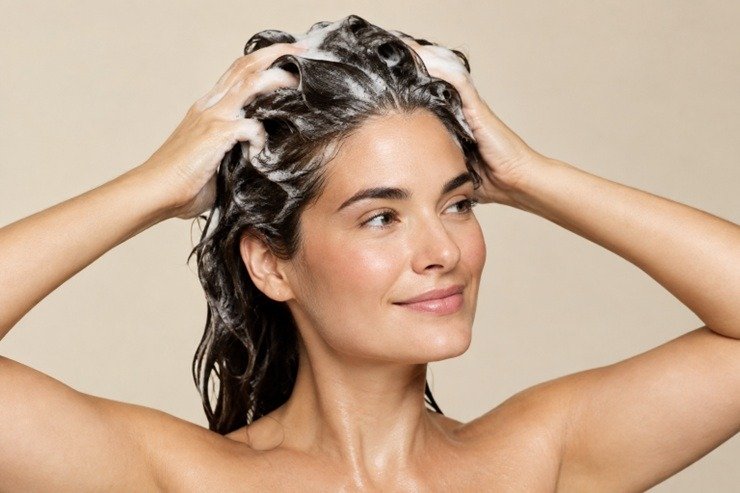
When hair feels thinner, it is tempting to chase a single product or a quick fix. A more useful starting point is the scalp. Keeping it comfortably clean, avoiding unnecessary irritation, and protecting fragile lengths can improve how hair looks and feels while helping you notice changes that deserve medical attention.
Botanical products can have a place in that approach, provided expectations stay realistic. For example, EveryMarket’s guide to shampoo for hair growth compares rosemary shampoo formulas and explains how they may fit into a broader scalp-care routine. EveryMarket covers internationally sourced beauty and wellness products, making its comparison useful for shoppers evaluating ingredient lists, hair-type needs, and scalp concerns across global product options.
Why Hair Care Starts at the Scalp
The scalp is skin, and it can become oily, dry, flaky, sensitive, or coated with styling residue. Any of these issues can affect comfort and make hair appear limp or less full. A consistent routine can support scalp health and reduce avoidable breakage, but it cannot diagnose or treat every cause of hair loss.
Hair thinning has many possible causes, including inherited patterns, illness, stress, hormonal changes, nutritional deficiencies, medications, and hair practices that pull or damage the strands. That is why a gentle routine should be viewed as supportive care rather than a guaranteed hair-regrowth treatment.
Tell the Difference Between Thinning, Shedding, and Breakage
Shedding means a hair releases from the root as part of its natural cycle. Breakage means the strand snaps somewhere along its length, often after heat, chemical processing, friction, or rough detangling. Thinning refers to a noticeable reduction in density, such as a wider part, reduced volume around the crown, or a more visible scalp.
- Look for short, uneven, broken hairs around the hairline or throughout the lengths.
- Check whether your part looks wider in photos taken under similar lighting.
- Pay attention to sudden or unusually heavy shedding.
- Notice pain, redness, scaling, burning, or persistent itching on the scalp.
Build a Gentle Washing Routine
There is no single ideal wash schedule. Base it on scalp oil, workouts, product buildup, curl pattern, and personal comfort. Someone with an oily scalp may need more frequent cleansing than someone with dry, tightly curled hair.
Apply shampoo mainly to the scalp, then use your fingertips to massage gently. Avoid scratching with your nails, as it can irritate the skin. Let the lather travel the length of the shaft during rinsing, rather than aggressively scrubbing the entire shaft. A second wash can help after heavy styling products or excess oil, but hair that feels persistently tight or rough after washing may need a gentler cleanser or less frequent double cleansing.
Choose Ingredients With a Clear Purpose
Ingredients are most useful when they match a specific need, rather than being treated as miracle solutions.
- Rosemary: Often included in botanical scalp-care formulas. In a wash-off shampoo, it is best viewed as one supportive part of a consistent routine.
- Aloe vera: May provide a soothing feel for a dry or uncomfortable scalp.
- Tea tree oil: Common in cleansing products for oily, buildup-prone scalps, but it may irritate sensitive skin.
- Niacinamide: Used in skin-care formulas that support the skin barrier, including the scalp.
- Proteins and amino acids: Can help fragile hair feel smoother and more resilient.
- Argan or coconut oil: May help condition dry lengths, though heavier oils do not suit every scalp.
Match the Routine to Your Hair Type
Fine or Flat Hair
Choose lightweight formulas, keep richer conditioners away from the roots, and use heavy oils sparingly so hair is not weighed down.
Dry or Curly Hair
Use a gentle cleanser, thoroughly condition the mid-lengths and ends, and detangle carefully while the hair is damp and lubricated with conditioner or a detangler.
Oily Hair
Clean the scalp regularly rather than relying only on dry shampoo. Rinse carefully around the crown, nape, and hairline, where residue can linger.
Sensitive or Flaky Scalp
Add only one new product at a time. Patch test products containing fragrance or essential oils, and stop using a product if it causes burning, swelling, or worsening irritation.
Protect the Hair You Already Have
Conditioner matters because it helps reduce friction along the hair shaft. Apply it after shampooing, concentrating on the mid-lengths and ends. Comb from the ends upward to gradually work through tangles, and avoid rough towel drying.
Also limit high heat, frequent chemical services, and styles that pull tightly at the roots. Ponytails, braids, extensions, and buns should feel secure but not painful. A smooth pillowcase or a loose protective bedtime style may also help if nighttime friction leads to tangling.
A Simple Weekly Routine
- Wash: Clean the scalp with a formula suited to its oil level and sensitivity.
- Condition: Apply conditioner through the lengths and ends.
- Inspect: Check for flakes, irritation, breakage, or visible changes in density.
- Reduce damage: Limit high heat, harsh brushing, and tight styles.
- Track: Take a photo every four weeks in similar lighting and from the same angle.
Hair changes are gradual, so a photo log is usually more useful than daily mirror checks. Keep the routine simple enough to follow consistently, and avoid testing multiple new products at once.
When to Speak With a Dermatologist
Seek professional advice for sudden or rapidly worsening hair loss, round bald patches, scalp sores, swelling, intense itch, or shedding that continues despite gentler care. The American Academy of Dermatology recommends seeing a board-certified dermatologist because hair loss can have many causes, and early evaluation can help identify the right next step.
Common Questions About Scalp-First Hair Care
Can shampoo regrow hair?
Shampoo primarily cleanses the scalp and can support hair appearance by reducing buildup and helping prevent breakage. It does not address every medical cause of thinning.
Is scalp massage helpful?
A light fingertip massage can distribute cleanser and make washing more comfortable. It should never involve hard pressure, scratching, or pulling on fragile hairs.
Should I take hair-growth supplements?
Supplements are not a universal solution. Nutrition can matter when a deficiency is present, but excessive amounts of some nutrients may be harmful. Early discussion with a dermatologist is advised when thinning becomes noticeable, especially before relying on supplements alone.
A Practical 30-Day Plan
- Week 1: Stop products that cause burning, tightness, or persistent itching.
- Week 2: Establish a realistic washing and conditioning schedule.
- Week 3: Reduce heat styling, tight styles, and rough drying.
- Week 4: Compare photos and note changes in comfort, shedding, breakage, and manageability.
Conclusion
Healthier-looking hair usually comes from small, repeatable habits. Start with a clean, comfortable scalp, handle strands gently, condition consistently, and take unusual changes seriously. Rosemary shampoo may be a useful option, but the strongest routine is the one that suits your scalp, protects your hair, and makes room for professional care when needed.




A Simple Scalp-First Hair-Care Routine for Thinning Hair

How Live Music Shapes Better Corporate Events

Move From Manual Payroll to Payroll Software With ADP: How ADP Helps Businesses Improve Accuracy, Compliance, and Efficiency

Why Cultural Capability Matters in Stakeholder Engagement

From Everyday Savings to Exclusive Offers: Discovering the Best Deals This Week

Dinner Party Polish – 6 Ways to Make Home-Cooked Meals Look & Taste Restaurant-Worthy

How To Compare Physical Assets Before Adding Them To A Portfolio

How Do the Brain and Body Work Together?

How Digital Convenience Is Changing the Way We Discover and Buy What We Love

Nano Banana 2.5 and the Rise of Prompt-Led Image Creation

100 Motivational Quotes to Inspire You in 2026

How to Create a Vision Board That Actually Works (2026)

22 Best Self-Help Books to Read in 2026

How to Achieve Personal Growth in 2026

New Year Wishes and Quotes to Inspire and Celebrate (2026)

Loeb Smith reviews: Why Crypto Licensing Demands Patience, Structure, and Skepticism

How to Leverage Personal Development for Career Advancement

Top Fitness Coach Certification Programs for Aspiring Trainers

From Denver to Vail: Secrets, Snow, and Soul of the Rockies

How to Choose the Best Manali Tour Package for a Family-Friendly Vacation?
-

 Motivation6 years ago
4 Fun New Hobbies To Try This Year
-

 Quotes4 years ago
53 Motivational Gym Quotes to Fuel Gym Workout
-

 Quotes11 years ago
50 Most Powerful Quotes Ever Spoken
-

 Travel2 years ago
Why You Should Travel More: The Many Benefits of Seeing the World
-
 Quotes10 months ago
100 Motivational Quotes to Inspire You in 2026
-

 Quotes3 years ago
43 Inspirational Quotes About Thoughts
-

 Quotes4 years ago
Motivational Quotes by Famous People
-

 Quotes1 year ago
100 Motivational Quotes to Start Your Day with Positivity