
Lifestyle
The Moving-Day Survival Kit Every Household Should Prepare

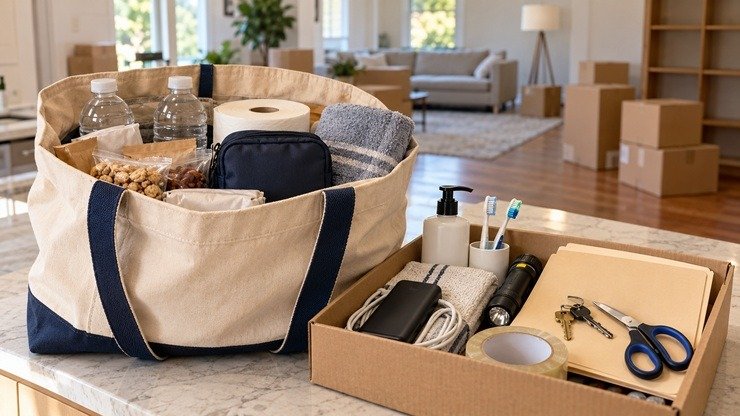
Almost every story about a bad moving day comes down to the same thing: someone packed something ordinary where nobody could reach it, and the search ate an hour nobody had to spare.
The toilet paper is on the truck behind a wall of furniture, the soap is in a box labeled kitchen, somebody’s medication is at the bottom of a wardrobe carton, and the scissors needed to open any of it are inside one of the forty boxes stacked in the hallway.
A survival kit is the cheap fix for all of that, and it is not one box but a small set of things that travel with the family rather than with the furniture.
Why the Kit Matters More Than the Packing
Moving day is the one day in the whole process when nothing is where it belongs, and everybody is tired, which is exactly when small problems turn into arguments over nothing.
The crew needs a bathroom with soap, the kids need something to eat that isn’t three hours away, and somebody needs to find the paperwork before the truck can be unloaded. None of that is hard to prepare for, but all of it becomes impossible once the boxes are sealed and stacked in the order the loaders chose rather than the order you need.
The Box That Comes Off First
The center of the kit is one clearly marked box that gets loaded last so it comes off the truck first, before anyone has to look for anything.
As you get closer to moving day, Mayflower suggests preparing a “load last” box containing essentials like bottled water, paper towels, soap, and a first aid kit so that it is the first thing unloaded at your new home.
Those four things cover the problems that come up first, and it is worth adding toilet paper, trash bags, hand sanitizer, a roll of tape, and a pair of scissors to the same box, since every one of them gets used within the first hour of standing in an empty house with a truck outside.
Write the words on the top and all four sides in large letters rather than on one flap, because a box that ends up turned around in the truck is a box nobody can find when it matters.
One Bag for Each Person
The second part of the kit is personal rather than shared, so every household member gets their own bag packed the way they would pack for two nights away from home.
That means a change of clothes, pajamas, a toothbrush, the medications somebody takes daily, a phone charger, and whatever a particular person cannot settle down without at the end of a long day. Those bags belong in the car with the people rather than in the truck with the furniture, and they stay there even if the truck arrives on schedule, because a delivery window is a window rather than a promise.
Children need a little more thought here, so let each of them pack a small bag themselves and keep one favorite toy or blanket out of the packing entirely, since the thing they want at bedtime in a strange house is never the thing an adult would have chosen for them.
The Folder Nobody Should Pack
Paperwork is the part people assume will be fine until someone at the new house asks for a document sitting in a sealed box somewhere in the middle of a loaded truck.
Put the lease or closing papers, the moving estimate and the crew’s contact number, the insurance details, the school and medical records, the pet’s shot records, and a list of account numbers into a single folder that rides in the car. Take photos of everything on your phone as well; it takes ten minutes and means a lost folder isn’t a disaster.
Tools, Cleaning Supplies and the First Night
A small handful of tools saves more time on moving day than almost anything else you could carry, because you have to put the beds back together before anyone can sleep in them.
A screwdriver with changeable heads, an adjustable wrench, a box cutter, a tape measure, a flashlight, and a power strip will handle nearly everything that comes up, and bags of screws taped to the furniture they came off will save an evening of searching through packing paper. Add a basic cleaning set with paper towels, a spray cleaner, dish soap, a sponge, and a few cloths, since the new place will need a wipe down in the spots the previous owners missed and the old place will need one after the truck pulls away.
Food matters more than people expect on a day with no working kitchen, so pack a cooler with water, sandwiches, fruit, and something for the crew, plus paper plates, cups, and plastic cutlery for one or two meals. Then make the beds before anything else gets unpacked, because the difference between a hard day and a terrible one is usually whether a made bed is waiting at the end of it.
Packing the Kit Without Losing It
Everything in the kit shares the same weakness: a well-meaning helper will carry it onto the truck if it sits with the other boxes on the last morning.
Keep the whole kit in one place from the start, whether that is a corner of a bathroom or the back of a closet; put a sign on that room’s door, and tell the crew in plain words on arrival that nothing in there goes on the truck. Load the personal bags, the folder, and the cooler into the car before the crew shows up, and leave only the load’s last box for the end so that it travels on the truck and comes off ahead of everything else.







Keep Your CPR Skills Ready: A Simple Renewal Plan for Work, Home, and Community

The Moving-Day Survival Kit Every Household Should Prepare

Things People Wish They Had Planned Better Before Moving

Does Where You Live Affect Your Life Expectancy?

An Inside Look at How We Built a Scalable Customer Experience

A Simple Scalp-First Hair-Care Routine for Thinning Hair

How Live Music Shapes Better Corporate Events

Move From Manual Payroll to Payroll Software With ADP: How ADP Helps Businesses Improve Accuracy, Compliance, and Efficiency

Why Cultural Capability Matters in Stakeholder Engagement

From Everyday Savings to Exclusive Offers: Discovering the Best Deals This Week

100 Motivational Quotes to Inspire You in 2026

How to Create a Vision Board That Actually Works (2026)

22 Best Self-Help Books to Read in 2026

How to Achieve Personal Growth in 2026

New Year Wishes and Quotes to Inspire and Celebrate (2026)

Loeb Smith reviews: Why Crypto Licensing Demands Patience, Structure, and Skepticism

How to Leverage Personal Development for Career Advancement

Top Fitness Coach Certification Programs for Aspiring Trainers

From Denver to Vail: Secrets, Snow, and Soul of the Rockies

How to Choose the Best Manali Tour Package for a Family-Friendly Vacation?
-

 Motivation6 years ago
4 Fun New Hobbies To Try This Year
-

 Quotes4 years ago
53 Motivational Gym Quotes to Fuel Gym Workout
-

 Quotes11 years ago
50 Most Powerful Quotes Ever Spoken
-

 Travel2 years ago
Why You Should Travel More: The Many Benefits of Seeing the World
-
 Quotes10 months ago
100 Motivational Quotes to Inspire You in 2026
-

 Quotes3 years ago
43 Inspirational Quotes About Thoughts
-

 Quotes4 years ago
Motivational Quotes by Famous People
-

 Quotes1 year ago
100 Motivational Quotes to Start Your Day with Positivity