
Health
Benefits of Dental Implants for Long-Term Oral Health

Key Takeaways
- Dental implants help stimulate jawbone growth, preventing bone loss and maintaining facial shape.
- They keep neighboring teeth correctly aligned, reducing the risk of sensitivities and bite issues.
- Implants are designed for durability and may last a lifetime with proper care.
- Chewing and speech are both improved with the secure fit of dental implants.
- Filling tooth gaps with implants reduces the places where bacteria can thrive, lowering the risk of gum disease.
Dental implants are a cornerstone of modern restorative dentistry, delivering more than just cosmetic improvement for individuals experiencing tooth loss. As one of the most trusted solutions today, dental implants provide a secure foundation for replacement teeth, making them invaluable for those aiming to protect their long-term oral health.
Unlike traditional dentures, which may slip or require regular adjustments, dental implants integrate directly with the jawbone. This not only offers stability but also ensures several advantages for maintaining both oral function and appearance over the years. Understanding how implants impact your oral health can help you make informed decisions if you’re considering tooth replacement options.
Preserving Jawbone Density
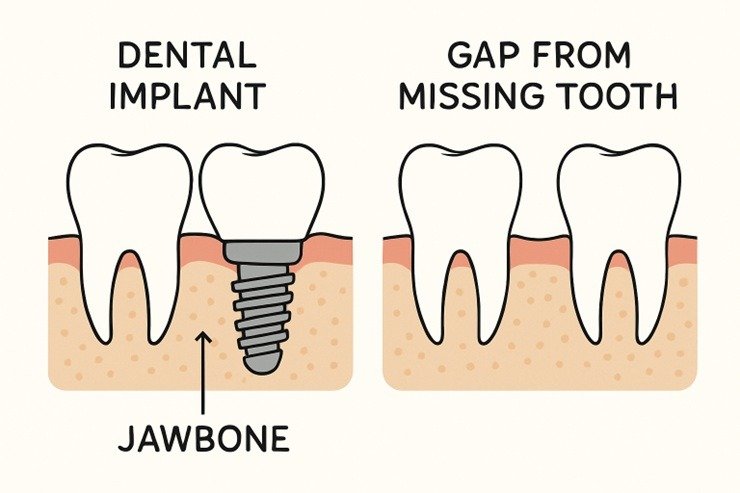
One of the most serious consequences of losing a tooth is jawbone loss. When a tooth’s root is missing, the jawbone no longer receives the stimulation needed to maintain its density and volume. The unique feature of dental implants is that they act as artificial tooth roots. Through osseointegration, they stimulate the surrounding bone, which helps keep the jawbone strong. This crucial advantage prevents the sunken or aged look that often develops after tooth loss. According to the American Dental Association, this ongoing stimulation is vital for preserving long-term facial structure.
Maintaining Tooth Alignment
While a missing tooth might seem like just a cosmetic concern, the consequences can go deeper. When a tooth is lost, the neighboring teeth often shift into the space left by the missing tooth. This misalignment can lead to bite problems, increased tooth sensitivity, and unnecessary wear. By filling the gap, dental implants maintain the proper positions of other teeth, supporting overall alignment and comfort.
Durability and Longevity
Dental implants are primarily made of titanium or zirconia, both known for their durability and biocompatibility. Once anchored, implants can last many decades, and often a lifetime, with appropriate dental hygiene. While crowns, bridges, or dentures may require repairs or replacements over the years, a well-placed and well-cared-for implant limits the need for future invasive procedures. Long-term durability makes implants a highly practical choice for people seeking lasting solutions.
Enhancing Chewing Efficiency
Dental implants are as close as possible to natural teeth regarding function. They restore a person’s ability to chew thoroughly, break down a wide variety of foods, and properly digest nutrients. Whether enjoying a crunchy apple or biting into a steak, people with implants can confidently consume the foods they love without the restrictions sometimes required with bridges or dentures. This boost in food choices is not just about lifestyle; it also supports better digestion and overall health.
Improving Speech Clarity
Gaps caused by missing teeth, as well as the instability of traditional dentures, can both cause speech impediments. Pronunciation of certain sounds may be difficult, leading to mumbling, lisping, or slurring. Since implants are securely fixed in the jaw, they create a stable foundation for artificial teeth. This allows for clearer articulation of words and overall improved speech, which can significantly boost confidence in social or professional situations. For more about the impact of tooth loss on speech, refer to this Mayo Clinic article.
Reducing Risk of Gum Disease
The gaps left by missing teeth can trap food debris and bacteria, increasing the risk of gum disease. Periodontal disease is a leading cause of tooth loss in adults and poses risks to both oral and overall health. By filling these spaces with dental implants, patients can maintain effective oral hygiene, reducing the risk of inflammation, infection, and future complications.
Preserving Facial Structure
Bone loss after tooth removal can result in a sagging facial profile and a prematurely aged appearance. Dental implants help maintain the underlying bone and, in turn, support the natural contours of the face. Rather than experiencing the hollow look sometimes associated with long-term tooth loss, people with implants retain a fuller, more youthful facial appearance.
Cost-Effectiveness Over Time
Although dental implants have a higher upfront cost than some other tooth replacement methods, they are typically more economical over time. Unlike bridges or dentures, which require frequent replacements or adjustments, implants are designed to last for many years with minimal upkeep. For those concerned about both long-term value and quality of life, implants can be an appealing investment in their dental future.
Dental implants do much more than fill gaps. They actively support jawbone health, maintain tooth alignment, restore oral function, and help preserve facial aesthetics. Choosing implants is an investment in oral health that reaches well beyond immediate appearance, providing benefits that last for years to come.








Buying Property in Portugal vs Renting: Key Factors to Consider

Same-Day Residential Ac Repair by One Way Heating & Cooling vs DIY Fixes: The Decision Factor

The Attention Economy: Why Modern Users Prefer Interactive Learning Over Long Tutorials

Leadership Transformation in Modern Business: Moving Beyond Traditional Coaching

Homeowners: What to Look for When Choosing a Reliable Ac Repair Company in Las Vegas

Pregnant Women: Key Considerations When Seeking a Webster Technique Chiropractor

Scholarly Stars – 6 Surefire Keys To Successful Studies

Kitchen Kit-Up – The 6 Indispensable Items You Need To Get Your Kitchen Ready For Action

Exeter’s Student Housing Scene Is Expanding – What 2026 Students Should Know

How Historic Architecture Boosts Real Estate Value

100 Motivational Quotes to Inspire You in 2026

100 Motivational Quotes to Start Your Day with Positivity

22 Best Self-Help Books to Read in 2026

How to Create a Vision Board That Actually Works (2026)

Changing Your Spending Habits

Top 50 Motivational Quotes for Success and Hard Work

How to Achieve Personal Growth in 2026

New Year Wishes and Quotes to Inspire and Celebrate (2026)

Do I Have to Pay a Debt That’s Very Old?

5 Excellent Reasons for a Healthcare Provider to Utilise the Services of a Nursing Agency
-

 Motivation5 years ago
4 Fun New Hobbies To Try This Year
-

 Quotes3 years ago
53 Motivational Gym Quotes to Fuel Your Workout
-

 Travel1 year ago
Why You Should Travel More: The Many Benefits of Seeing the World
-

 Quotes10 years ago
50 Most Powerful Quotes Ever Spoken
-
 Quotes4 months ago
100 Motivational Quotes to Inspire You in 2026
-

 Quotes2 years ago
43 Inspirational Quotes About Thoughts
-

 Quotes3 years ago
105 Motivational Quotes by Famous People
-
 Quotes9 months ago
100 Motivational Quotes to Start Your Day with Positivity