
Lifestyle
Designing a Home That Grows With You

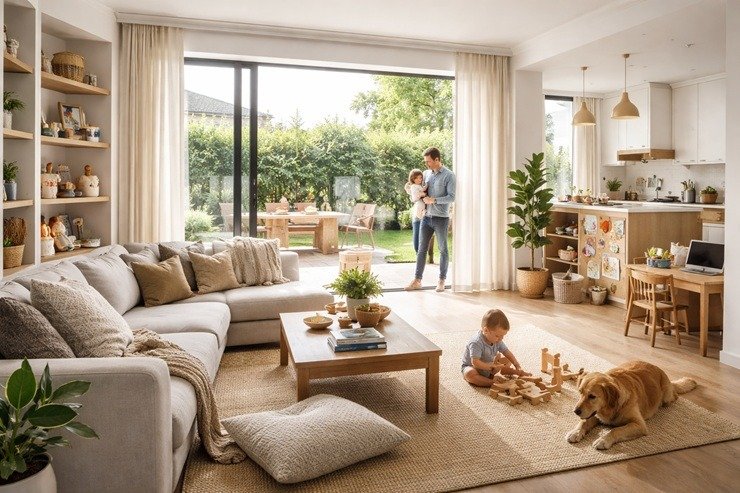
At some point, nearly everyone begins to notice how subtly their relationship with home changes. What once felt effortless—a flight of stairs, a narrow hallway, a high shelf—can gradually become a daily obstacle. This shift isn’t a failure of strength or independence; it’s a reminder that life is dynamic, and our environments should evolve along with us.
A truly inspiring home isn’t just beautiful or well-decorated. It’s supportive. It anticipates change, welcomes every stage of life, and quietly removes barriers before they become burdens. Designing such a space is less about luxury and more about dignity, safety, and long-term freedom.
The Emotional Weight of Accessibility
Accessibility is often framed as a technical issue: grab bars, ramps, wider doors. But at its core, it’s deeply emotional. The ability to move freely within your own home is tied to autonomy and self-worth. According to the World Health Organization, mobility limitations are one of the leading factors that reduce quality of life as people age, especially when environments fail to adapt to changing needs.
When homes don’t accommodate these changes, people are often forced into difficult decisions—avoiding certain rooms, relying heavily on others, or even relocating before they’re emotionally ready. Thoughtful design can prevent those crossroads altogether.
Aging in Place: A Growing Priority
The idea of “aging in place” has gained significant momentum over the past decade. AARP reports that nearly 90% of adults over 65 want to remain in their current homes as long as possible.
This desire isn’t rooted in nostalgia alone. Familiar spaces offer comfort, routine, and community connection. Neighbors know your name. Local shops recognize your face. Memories live in the walls. Preserving that continuity can have measurable mental health benefits, reducing anxiety and feelings of isolation as people grow older.
To make aging in place viable, however, homes must be proactive rather than reactive.
Rethinking Vertical Living
Multi-level homes present a unique challenge. Stairs, while architecturally elegant, are one of the most common sources of household injuries. The Centers for Disease Control and Prevention notes that falls are the leading cause of injury among older adults, with stairs playing a significant role.
Rather than viewing vertical layouts as a limitation, modern homeowners are reimagining how to move between levels safely and effortlessly. Solutions that once felt institutional or intrusive have been redesigned to blend seamlessly into residential spaces. When mobility solutions are integrated thoughtfully, they stop feeling like accommodations and start feeling like natural extensions of the home.
For example, compact residential lift systems — such as Stiltz residential elevators —reflect a broader shift toward inclusive design that prioritizes ease without sacrificing aesthetics. These innovations demonstrate that accessibility can be elegant, quiet, and empowering.
Universal Design Benefits Everyone
What’s often overlooked is that accessibility improvements rarely benefit just one person. Universal design—the practice of creating spaces usable by people of all ages and abilities—improves daily life for everyone in the household.
Parents carrying sleeping children, someone recovering from surgery, guests with temporary injuries, or even the simple convenience of moving groceries between floors—all benefit from a home designed with flexibility in mind. The National Institute on Aging emphasizes that planning for accessibility earlier in life reduces stress and cost later on.
In this way, accessibility becomes less about limitation and more about resilience.
Independence as a Form of Self-Care
Modern conversations around wellness often focus on exercise, nutrition, and mindfulness. Yet environmental wellness—the way our surroundings support or hinder us—is just as critical. When a home allows its residents to move confidently and independently, it reduces cognitive load and emotional fatigue.
There’s a quiet confidence that comes from knowing you don’t have to ask for help with basic movement. That confidence ripples outward, affecting how people socialize, pursue hobbies, and engage with their communities. Independence, in this sense, becomes a form of daily self-care.
Designing With the Future in Mind
Future-proofing a home doesn’t require predicting every possible challenge. It simply means acknowledging that change is inevitable—and planning with compassion with assistance of Handyman Chicago.
This might involve choosing layouts that minimize obstacles, incorporating adaptable features, or investing in solutions that can support mobility without dominating the space. Importantly, these decisions are most empowering when made early, from a place of choice rather than urgency.
A home designed to grow with its occupants sends a powerful message: you belong here, not just now, but for the long run.
The Quiet Power of Thoughtful Homes
Inspiration doesn’t always arrive in grand gestures. Sometimes it’s found in small, thoughtful design choices that preserve independence, dignity, and comfort over time. When homes are built—or adapted—with care, they become partners in our lives rather than challenges to overcome.
As society continues to rethink aging, wellness, and inclusivity, our living spaces have an opportunity to lead the way. A truly inspiring home isn’t one that impresses visitors. It’s one that quietly supports the people who live there, every single day.











5 Strategic Steps to Mastering a Self-Managed Super Fund

The Strategic Value of On-Site Machinery Maintenance

Is an Electric Aerox the Future of Sport Scooters?

How Consistent Communication Strengthens Relationships

Benefits of Dental Implants for Long-Term Oral Health

How to Choose the Right Luxury Vehicle for Your Lifestyle

Comprehensive Clinical Support For Overcoming Deep-Rooted Habits

From Floor Plan to Feeling: Creating Spaces That Truly Work for You

The Smart Buyer’s Guide to High-End Fragrance Alternatives

Hidden Lifecycle of a Chargeback: From Customer Click to Bank Dispute

100 Motivational Quotes to Inspire You in 2026

100 Motivational Quotes to Start Your Day with Positivity

22 Best Self-Help Books to Read in 2026

Changing Your Spending Habits

How to Create a Vision Board That Actually Works (2026)

New Year Wishes and Quotes to Inspire and Celebrate (2026)

How to Achieve Personal Growth in 2026

Top 50 Motivational Quotes for Success and Hard Work

How Are Natural Remedies Changing Lives?

Do I Have to Pay a Debt That’s Very Old?
-

 Motivation5 years ago
4 Fun New Hobbies To Try This Year
-

 Quotes3 years ago
53 Motivational Gym Quotes to Fuel Your Workout
-

 Quotes10 years ago
50 Most Powerful Quotes Ever Spoken
-
 Quotes2 months ago
100 Motivational Quotes to Inspire You in 2026
-

 Travel1 year ago
Why You Should Travel More: The Many Benefits of Seeing the World
-

 Quotes2 years ago
43 Inspirational Quotes About Thoughts
-

 Quotes3 years ago
105 Motivational Quotes by Famous People
-
 Quotes8 months ago
100 Motivational Quotes to Start Your Day with Positivity