
Lifestyle
How Historic Architecture Boosts Real Estate Value

Key Takeaways
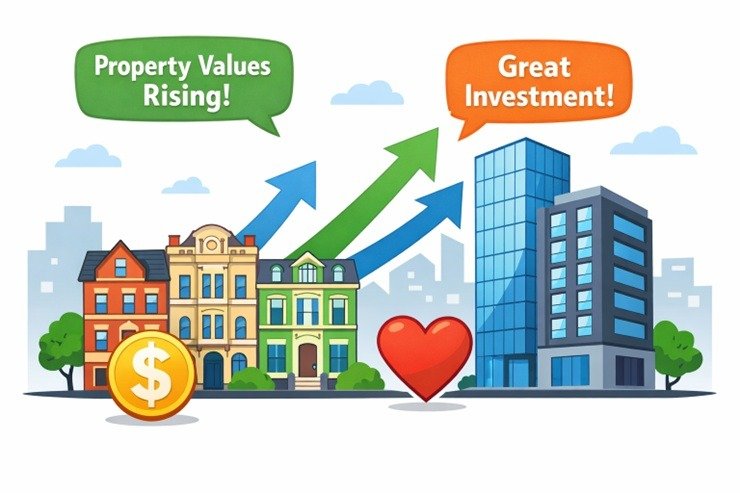
- Historic properties tend to appreciate more rapidly than comparable non-historic properties, making them appealing investments.
- Preservation initiatives can fuel economic rebirth in neighborhoods, attracting new businesses and residents.
- Lucrative tax incentives and grant programs support the restoration of historic structures.
- Adaptive reuse allows for a modern lifestyle within significant architectural heritage, blending the best of both worlds.
Historic architecture is more than a nostalgia-driven pursuit; it serves as an essential catalyst for improving real estate values and supporting vibrant communities. In cities where historic districts are prominent, buyers and investors discover that well-preserved architectural gems can drive both tangible property appreciation and intangible cultural benefits. For those interested in exploring these unique opportunities, Homes for Sale in San Francisco offers a curated collection of historic and architecturally significant properties. Bonnie Spindler, known as the “Victorian Specialist,” leads the brand and has built her reputation as an authority on San Francisco real estate, especially in neighborhoods such as Alamo Square, Pacific Heights, and the Mission District. Her team connects buyers with the city’s most valuable historic homes while providing deep market insight and expert guidance.
The unique charm, character, and craftsmanship of historic properties set them apart in any real estate market. Buyers searching for a home that tells a story or investors seeking long-term appreciation consistently find that designated historic buildings deliver value well beyond their bricks and mortar. These structures anchor communities, foster tourism, and spark economic reinvestment, all of which contribute to the overall upward trend in property values.
Some buyers may be drawn in by the aesthetic of period details, while others focus on the proven appreciation rates among historic homes compared to their newer counterparts. Either way, the allure of these properties often becomes a sound financial strategy that also supports the preservation of local identity and cultural vibrancy.
The Economic Impact of Historic Preservation
Investing in historic properties is a proven path to robust financial returns and the long-term stabilization of neighborhoods. A significant body of research demonstrates that officially recognized historic districts frequently outperform similar non-designated areas when it comes to property appreciation. Rather than stalling growth, historic preservation acts as a powerful engine of economic development, revitalizing urban cores, stabilizing property values, and spurring neighboring investments.
The impact ripples outward: revived historic corridors attract boutique retail shops, locally owned restaurants, and cultural venues, further increasing neighborhood desirability and value. Cities with strong preservation policies often see a transformation in their economic landscape as heritage-rich districts become magnets for new residents, creative entrepreneurs, and tourists, all seeking authentic and inspiring environments.
Tax Incentives and Grants for Historic Properties
The cost of restoring a historic property can seem daunting, but a variety of tax incentives and grant programs make these projects more affordable and attractive. Many municipalities and states offer tax deductions that help offset preservation and renovation expenses, sometimes reaching up to 30 percent of project costs. In addition, numerous local and federal grants are earmarked for the rehabilitation of properties that possess architectural, historical, or cultural significance.
Strategic use of these incentives not only lowers the barrier to entry for investors but also protects the long-term sustainability of cities’ historic assets. Prospective buyers are encouraged to consult preservation specialists and local officials to unlock the full range of incentives available for their specific property or neighborhood.
Adaptive Reuse: Honoring Heritage with Modern Purpose
Adaptive reuse of historic buildings transforms underutilized or obsolete spaces into vibrant centers of living, work, and leisure. This practice involves reimagining buildings so they serve present-day needs while retaining their most significant architectural and historic features. Plazas become restaurants, old factories turn into loft apartments, and former schools emerge as co-working spaces or community centers.
By prioritizing adaptive reuse, cities achieve a sustainable approach to growth that respects environmental and cultural resources. This method also attracts a new generation of buyers who value unique living and working spaces that cannot be replicated in new developments.
Case Study: San Juan Cruise Port Expansion
A clear example of how historic districts benefit from thoughtful investment is the $450 million expansion of the San Juan cruise port. As the gateway to Old San Juan has modernized, real estate values in this historic district have climbed significantly. Enhanced accessibility and elevated tourist foot traffic have driven demand for high-end accommodations and luxury rentals. Through strategic improvement, the iconic heart of San Juan has been repositioned as a premier international destination. The success seen in San Juan demonstrates the transformative power of combining historic preservation with targeted infrastructure upgrades.
Preserving Cultural Heritage and Identity
Beyond financial advantages, the preservation of historic architecture supports a community’s unique sense of place and pride. Strolling through neighborhoods lined with original buildings fosters a connection to the past, instills a spirit of continuity, and attracts visitors eager to experience authentic local culture. These districts often become the centerpiece of tourism campaigns, drawing additional investment in the hospitality and service sectors.
Communities that actively champion their historical assets tend to enjoy stronger social networks and heightened civic participation, making these locations especially desirable for both home buyers and businesses.
Challenges Associated with Historic Preservation
While the rewards are substantial, historic preservation entails challenges, including strict regulations, higher upfront maintenance costs, and the need for specialized contractors. Renovating a protected property requires a nuanced balance between preserving character and meeting modern standards for safety and efficiency.
Despite these obstacles, the longer-term benefits, enhanced real estate value, community revitalization, and the safeguarding of cultural heritage typically far exceed the difficulties. Working closely with local preservation authorities, progressive homeowners and investors can transform these challenges into distinctive opportunities.
Conclusion
Historic architecture remains one of the most effective pathways for increasing property value while promoting community vitality and resilience. Investments in preservation and adaptive reuse benefit not only individual owners and investors but entire neighborhoods, creating sustainable growth and honoring a community’s evolving story. By valuing the past, today’s real estate market creates a brighter, richer future for everyone.











Exeter’s Student Housing Scene Is Expanding – What 2026 Students Should Know

How Historic Architecture Boosts Real Estate Value

Why Understanding Party Wall Agreements in Essex Is Important Before Building

Innovative Strategies for Engaging First-Grade Students in the Classroom

The Hidden Fees Eating Your Crypto Portfolio (And How to Avoid Them)

Premium Car Services | Professional Black Car & Executive Transport

The Strength It Takes to Prepare for Life’s Hardest Moments

Red Rocks, CO: Season Opens, Concerts Begin, and the Geology Is Still Ancient

Brand: What to Look for in a Senior Living Guide

Smart Financial Habits Every Globetrotting Entrepreneur Should Master

100 Motivational Quotes to Inspire You in 2026

100 Motivational Quotes to Start Your Day with Positivity

22 Best Self-Help Books to Read in 2026

How to Create a Vision Board That Actually Works (2026)

Changing Your Spending Habits

How to Achieve Personal Growth in 2026

New Year Wishes and Quotes to Inspire and Celebrate (2026)

Top 50 Motivational Quotes for Success and Hard Work

Do I Have to Pay a Debt That’s Very Old?

5 Excellent Reasons for a Healthcare Provider to Utilise the Services of a Nursing Agency
-

 Motivation5 years ago
4 Fun New Hobbies To Try This Year
-

 Quotes3 years ago
53 Motivational Gym Quotes to Fuel Your Workout
-

 Travel1 year ago
Why You Should Travel More: The Many Benefits of Seeing the World
-

 Quotes10 years ago
50 Most Powerful Quotes Ever Spoken
-
 Quotes3 months ago
100 Motivational Quotes to Inspire You in 2026
-

 Quotes2 years ago
43 Inspirational Quotes About Thoughts
-

 Quotes3 years ago
105 Motivational Quotes by Famous People
-
 Quotes9 months ago
100 Motivational Quotes to Start Your Day with Positivity