
Money
Most Traded Synthetic Indices: A Complete Guide for Traders

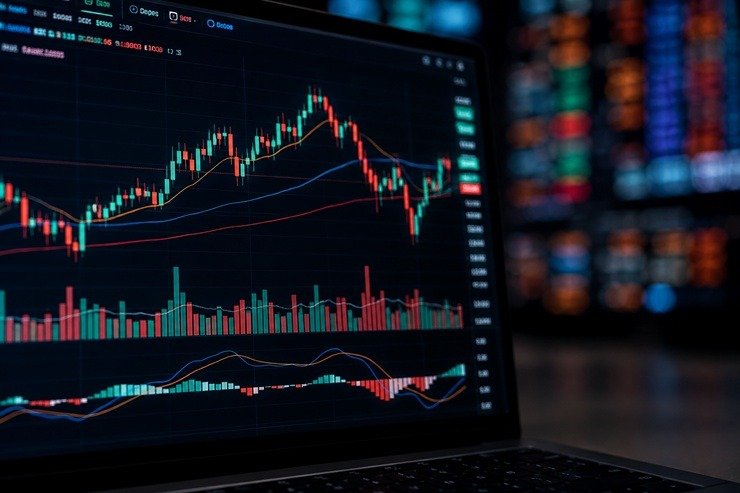
Synthetic indices have opened a new window for traders seeking opportunities outside the traditional financial markets. Unlike stocks, forex, and commodities, synthetic indices can be traded around the clock, making them attractive to traders who want flexible market access.
However, before investing, it is important to know some of the most traded synthetic indices. Different synthetic indices can have different volatility characteristics, movement patterns, and risk profiles. Choosing an index without understanding these differences can lead to low returns or unexpected losses.
Below is a list of some of the most traded synthetic indices.
Volatility Indices
Volatility indices are the most popular indices in the synthetic market. This group of synthetic indices is designed to provide different levels of price volatility. For example, a provider may offer indices representing different volatility levels, such as 10%, 25%, 50%, 75%, or 100%.
A lower volatility index such as the Volatility 10 Index produces smaller price fluctuations over a given period than a higher volatility index such as the Volatility 100 Index. The top 10 most volatile synthetic indices can provide greater opportunities for traders seeking larger movements, but they also expose traders to greater potential losses.
Crash and Boom Indices
As the name suggests, these indices are designed around the possibility of sudden downward or sharp upward price movements. Both indices can experience periods of relatively normal movement followed by sharp downward or upward spikes.
The frequency or characteristics of these events depend on the particular index and broker. Since sudden price movements can happen quickly and are unpredictable, risk management is important when trading crash and boom indices.
Step Indices
Unlike crash and boom indices, step indices are designed to produce price movements that follow a more structured or step-like pattern. Rather than replicate the behavior of traditional financial markets, these indices provide a unique trading environment based on their algorithmic design.
If you prefer markets with smaller, more regular-looking price changes, then step indices are the perfect fit. However, before you start live trading, check out this open resource for more information about the rules and specifications of various step indices.
How to Choose a Synthetic Index to Trade
There is no single synthetic index ideal for every trader. The appropriate choice depends on your strategy, experience, risk tolerance, and preferred trading timeframe.
Consider Volatility
Volatility is one of the most important factors when you trade synthetic indices on MT4 or MT5. If you are new to trading, jumping directly into a highly volatile market such as the Volatility 100 can expose you to significant losses. Instead, start with less volatile synthetic indices. Profits will be low, but it will provide a more manageable environment for learning how orders, position sizing, stop losses, and technical analysis work.
Match the Index to Your Strategy
Traders using trend-following techniques may prefer an index with sustained directional movements. On the other hand, short-term traders may look for markets with sufficient movement to create intraday opportunities.
The main point is to choose the market based on the strategy rather than forcing a strategy onto an unsuitable index just because it is one of the most traded synthetic indices.













Does Where You Live Affect Your Life Expectancy?

An Inside Look at How We Built a Scalable Customer Experience

A Simple Scalp-First Hair-Care Routine for Thinning Hair

How Live Music Shapes Better Corporate Events

Move From Manual Payroll to Payroll Software With ADP: How ADP Helps Businesses Improve Accuracy, Compliance, and Efficiency

Why Cultural Capability Matters in Stakeholder Engagement

From Everyday Savings to Exclusive Offers: Discovering the Best Deals This Week

Dinner Party Polish – 6 Ways to Make Home-Cooked Meals Look & Taste Restaurant-Worthy

How To Compare Physical Assets Before Adding Them To A Portfolio

How Do the Brain and Body Work Together?

100 Motivational Quotes to Inspire You in 2026

How to Create a Vision Board That Actually Works (2026)

22 Best Self-Help Books to Read in 2026

How to Achieve Personal Growth in 2026

New Year Wishes and Quotes to Inspire and Celebrate (2026)

Loeb Smith reviews: Why Crypto Licensing Demands Patience, Structure, and Skepticism

How to Leverage Personal Development for Career Advancement

Top Fitness Coach Certification Programs for Aspiring Trainers

From Denver to Vail: Secrets, Snow, and Soul of the Rockies

How to Choose the Best Manali Tour Package for a Family-Friendly Vacation?
-

 Motivation6 years ago
4 Fun New Hobbies To Try This Year
-

 Quotes4 years ago
53 Motivational Gym Quotes to Fuel Gym Workout
-

 Quotes11 years ago
50 Most Powerful Quotes Ever Spoken
-

 Travel2 years ago
Why You Should Travel More: The Many Benefits of Seeing the World
-
 Quotes10 months ago
100 Motivational Quotes to Inspire You in 2026
-

 Quotes3 years ago
43 Inspirational Quotes About Thoughts
-

 Quotes4 years ago
Motivational Quotes by Famous People
-

 Quotes1 year ago
100 Motivational Quotes to Start Your Day with Positivity