
Health
Healthy Smiles for Life: Building Habits That Last

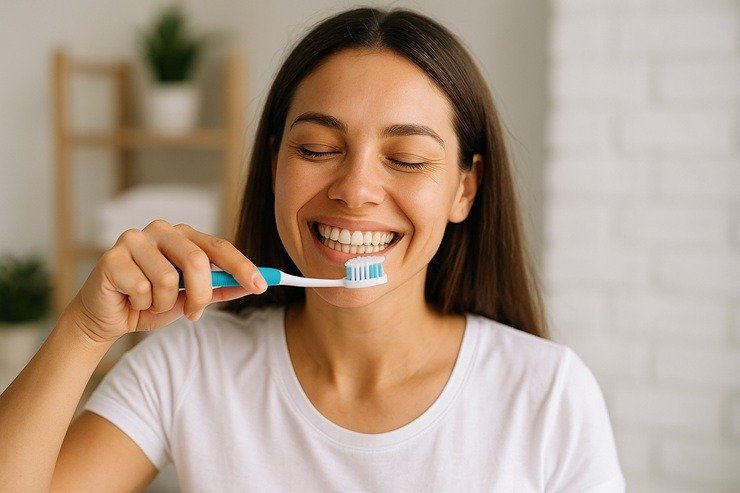
A bright, healthy smile starts with consistent habits that support oral wellness from an early age. Daily practices, such as brushing with proper technique, flossing, and maintaining a balanced diet, not only prevent cavities and gum disease but also contribute to overall health. Equally important are regular dental checkups, which enable professionals to detect small issues before they develop into larger problems. Encouraging mindful routines around oral care helps establish a foundation that lasts a lifetime, making dental visits less stressful and more effective.
For adults, maintaining strong oral health can include more advanced care when necessary. Individuals dealing with missing teeth or complex dental issues may consult specialists like a dental implants periodontist Aldie, VA, to ensure long-term function and aesthetics. Integrating preventive habits with professional guidance ensures smiles remain healthy and resilient, supporting confidence, proper nutrition, and comfort throughout life. Consistency truly is the key to lasting oral health.
Daily Oral Hygiene Practices
Brushing and flossing form the backbone of any oral hygiene regimen. Brushing at least twice a day with a fluoride toothpaste helps remove harmful plaque and bacteria. Flossing once each day helps clean between teeth, preventing cavities and gum disease in spots that toothbrushes can’t reach. Using a soft-bristle toothbrush and replacing it every three to four months is best for gentle but thorough cleaning. To maximize your efforts, consider brushing for at least two minutes and always follow up with a rinse that doesn’t contain alcohol, which can dry out oral tissues.
Many people overlook the importance of cleaning their tongue and using mouthwash. The tongue harbors bacteria that contribute to bad breath and decay. Special tongue scrapers and gentle brushing are both effective methods for keeping your entire mouth clean.
Balanced Diet for Oral Health
Nutrition profoundly affects dental health. Diets rich in fruits, vegetables, lean proteins, dairy, and whole grains provide essential nutrients like calcium, phosphorus, and vitamin C, all of which help strengthen teeth and gums. Reducing your intake of sugary snacks and beverages is equally essential; sugar fuels harmful oral bacteria, leading to acid production that erodes teeth.
Hydration also matters. Water helps rinse away lingering food particles and bacteria, maintains high saliva levels, and supports the mouth’s natural defenses against decay. Simple swaps—such as replacing soda with water and choosing fresh fruit over sugary desserts—encourage healthier smiles.
Regular Dental Check-ups
Professional dental care is integral to lasting oral health. Dentists can detect early signs of decay, gum disease, and even systemic illnesses that present first in the mouth. Twice-yearly check-ups typically include cleanings that remove hardened tartar, polished teeth, and in-depth exams to catch problems early.
Custom advice on brushing and flossing techniques or options for advanced restorative care, such as dental implants or gum therapies, is only available through routine appointments. These visits also allow you to discuss any concerns, such as sensitivity, pain, or cosmetic goals, in a supportive environment.
Avoiding Harmful Habits
Oral health isn’t only about what you do right, but also about what you avoid. Tobacco use—smoking or chewing—dramatically increases the risk of gum disease, tooth loss, and oral cancers. Quitting tobacco is one of the best steps you can take for both oral and overall health.
Other risky behaviors include nail-biting, chewing on non-food objects (like pens), opening packages with teeth, and consuming excessive acidic or carbonated beverages. These habits can cause chips, cracks, or wear down enamel over time. Being conscious of these risks and choosing safe alternatives can prevent costly and painful dental emergencies.
Educating Children on Oral Health
Promoting oral health from an early age sets children up for lifelong well-being. Teaching kids proper brushing and flossing habits—using child-friendly toothbrushes, flavored toothpaste, and engaging routines—makes dental care fun and approachable. School or community-based programs demonstrate effective ways to reinforce good habits at home and in the classroom.
Parents and caregivers serve as powerful role models. Leading by example and maintaining regular dental check-ups together can demystify dental care and encourage a positive, proactive attitude in children.
The Role of Oral Health in Overall Well-being
The state of your mouth can signal or impact your overall health. Gum disease is now linked to increased risk for heart disease, stroke, diabetes, and complications in pregnancy. Oral bacteria can enter the bloodstream and trigger inflammation elsewhere in the body, underscoring the importance of comprehensive oral care for everyone—not just those with existing dental problems.
Understanding these connections emphasizes the importance of prioritizing oral health as part of daily self-care, ultimately benefiting both your confidence and overall well-being. Regular dental screenings can also play a crucial role in the early detection of diseases that exhibit oral symptoms before other signs appear.
Community Initiatives Promoting Oral Health
Community-based efforts amplify positive oral health outcomes—especially in underserved populations. The Colgate Bright Smiles, Bright Futures initiative, along with similar programs, delivers crucial education, free screenings, and dental supplies to children and families worldwide.
These initiatives bridge knowledge gaps and provide practical tools that empower communities to maintain good oral health. Volunteering, supporting, or connecting with similar programs in your area can make a profound difference, especially for children and those with limited access to routine dental care.
Conclusion
Achieving and maintaining a healthy smile is an investment in your whole-body health. By practicing daily oral hygiene, choosing nutrient-rich foods, attending regular dental check-ups, adopting safe habits, and supporting community programs, everyone can enjoy the benefits of strong teeth and gums for a lifetime. Remember—small actions, day after day, add up to a lifetime of healthy, confident smiles.








Top 5 Cloud Mining Platforms in 2026: A Guide to Passive Income Mining for $3,700

Simple Daily Habits for Better Spinal Health

Preventive Dental Care And Whole-Person Health: A Practical Guide

A Buyer’s Guide to Evaluating Knoxville, Tennessee Neighborhoods

How Structured Alarm Data Can Help Emergency Communication Centers Work More Efficiently

Digestive Changes During Cancer Treatment: What’s Normal, and What Helps

How AI Image Creators Are Changing Visual Content Creation

How to Plan International Gifts Without Last-Minute Stress

7 Simple Home Maintenance Tasks That Can Prevent Expensive Repairs

Beyond Website Traffic: 7 Digital Marketing Signals That Reveal Who Is Ready to Buy

100 Motivational Quotes to Inspire You in 2026

How to Create a Vision Board That Actually Works (2026)

22 Best Self-Help Books to Read in 2026

How to Achieve Personal Growth in 2026

New Year Wishes and Quotes to Inspire and Celebrate (2026)

Loeb Smith reviews: Why Crypto Licensing Demands Patience, Structure, and Skepticism

Custom Cover Letter Generator: Create Tailored Letters in Minutes

How to Leverage Personal Development for Career Advancement

Top Fitness Coach Certification Programs for Aspiring Trainers

From Denver to Vail: Secrets, Snow, and Soul of the Rockies
-

 Motivation6 years ago
4 Fun New Hobbies To Try This Year
-

 Quotes4 years ago
53 Motivational Gym Quotes to Fuel Gym Workout
-

 Quotes11 years ago
50 Most Powerful Quotes Ever Spoken
-

 Travel2 years ago
Why You Should Travel More: The Many Benefits of Seeing the World
-
 Quotes9 months ago
100 Motivational Quotes to Inspire You in 2026
-

 Quotes2 years ago
43 Inspirational Quotes About Thoughts
-

 Quotes4 years ago
Motivational Quotes by Famous People
-

 Quotes1 year ago
100 Motivational Quotes to Start Your Day with Positivity