
Business
The Strategic Value of On-Site Machinery Maintenance

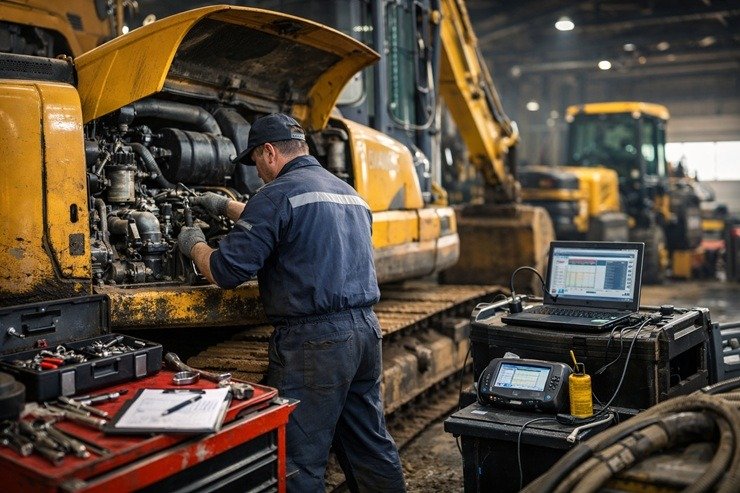
In the industrial sector, the difference between a profitable quarter and a financial loss often comes down to a single metric: uptime. For Australian businesses operating in construction, mining, and manufacturing, machinery is the heartbeat of operations. Whether it is an excavator on a remote mine site or a forklift in a bustling Melbourne warehouse, when that heartbeat stops due to an unexpected failure, the cost is rarely limited to the repair bill alone. It ripples outward, affecting project timelines, labour utilisation, and client trust. The financial impact is often underestimated until the quarterly review exposes the leakage caused by idle hours and delayed deliverables.
Historically, maintenance was viewed as a necessary evil or a grudge purchase, often deferred to save immediate costs. However, forward-thinking operational managers are now reframing maintenance strategies. It is no longer just about fixing what is broken. It is about implementing strategic workflows that keep downtime to an absolute minimum and ensure assets are generating revenue rather than consuming capital.
The High Stakes of Unplanned Downtime
The “run it until it breaks” mentality is a dangerous gamble in modern industry. While it might seem cost-effective in the short term to delay servicing, the compounding costs of emergency repairs often dwarf the price of regular upkeep. When a critical piece of equipment fails, production halts, but the overhead costs do not. Staff are left standing idle, delivery schedules are missed, and penalty clauses in contracts may be triggered.
This scenario highlights the importance of operational planning. Much like the shift from reactive firefighting to proactive control discussed in our guide on preventing over-production with MRP, machinery maintenance requires a forward-thinking approach to avoid operational chaos. Just as manufacturing resource planning connects data to production schedules to prevent stockouts, predictive maintenance connects equipment health to business continuity. It is about having the right resources available at the right time.
By anticipating needs rather than reacting to disasters, businesses can schedule downtime during off-peak hours. This ensures that the inevitable wear and tear on machinery does not dictate the company’s productivity schedule or compromise the bottom line.
Efficiency Through On-Demand Services
One of the most significant shifts in industrial maintenance is the move toward mobile, on-site services. In the past, a broken component often meant dismantling the machine, transporting the part to a workshop, waiting for the repair, and then hauling it back for re-installation. This process could take days, during which a valuable asset sat useless, costing the business thousands in lost potential.
Today, the workshop came to the site. This evolution is particularly vital for hydraulic systems, which are the muscle behind most heavy machinery. Utilising specialised mobile hydraulic hose repair services allows operators to resolve critical failures in a fraction of the time. These mobile units are essentially rolling workshops, stocked with a vast array of fittings, hoses, and crimping tools. Instead of losing a machine for two days, a technician can often fabricate and install a replacement hose on the side of the road or in the middle of a construction site within hours.
This speed provides a competitive advantage. It transforms a potential project-stalling crisis into a minor hiccup. The strategic value here lies in the reduction of “mean time to repair” (MTTR). By integrating mobile services into their contingency plans, site managers ensure that their operations remain agile and resilient against unexpected mechanical failures.
A similar principle applies to specialist cleaning. For businesses dealing with built-up grease, residue or contamination on machinery, contractors such as Gransden Dry Ice Blasting can help support maintenance work without relying on water, harsh chemicals or abrasive cleaning methods.
Safety and Compliance Standards
Beyond productivity, the condition of machinery is a critical factor in workplace safety. Australia maintains some of the strictest Work Health and Safety (WHS) laws in the world, and for good reason. Neglected equipment is unpredictable and dangerous. Hydraulic systems, in particular, operate under immense pressure, and a failure can result in catastrophic consequences.
According to Safe Work Australia’s code of practice, plant machinery is a major cause of work-related death and injury in Australian workplaces. This reality makes rigorous maintenance regimes a legal compliance requirement, not just a productivity goal. Ensuring that every component functions correctly protects workers from the risks associated with fluid injection injuries, mechanical collapse, or loss of control.
Implementing a robust on-site maintenance strategy offers several safety benefits:
- Reduced Handling: Repairing equipment in situ minimises the risks associated with loading, unloading, and transporting heavy machinery components.
- Certified Compliance: Professional mobile technicians provide documentation and tagging for repairs, ensuring that the equipment meets Australian Standards and that maintenance logs are audit-ready.
- Hazard Identification: Regular visits from maintenance professionals can help identify other potential hazards, such as fraying lines or loose fittings, before they result in an accident.
- Environmental Protection: Prompt repair of leaks prevents hydraulic fluid from contaminating the soil or local waterways, avoiding hefty environmental fines and cleanup costs.
Building Business Resilience
The industrial landscape is becoming increasingly competitive, and margins are often tight. In this environment, operational efficiency is not a luxury. It is a survival trait. Businesses that treat maintenance as a strategic asset rather than a janitorial task are better positioned to weather economic fluctuations.
Investing in rapid, on-site maintenance solutions protects the bottom line by preserving the most valuable resource any company has: time. Whether it is through better resource planning or partnering with rapid-response repair teams, the goal remains the same. Keep the gears turning, keep the site safe, and keep the business moving forward.













Why Saying “Yes” is More than a Milestone: It’s a Mindset Shift

Success at Work, Meaning at Home: Redefining What a Successful Life Looks Like

Hit by a Lyft Driver? Steps to Protect Your Health and Your Claim

How Financial Planning Can Help You Build a More Secure Future

Underground Water Leak Detection Services: Essential Considerations for Homeowners

Why People Wear Fragrance Even When They’re Staying Home

Hair Transplant Technology in Istanbul

Creating Your Own Rituals for Rest, Reflection, and Personal Time

How Hiring A Professional Plumber Saves You Money On Water Bills

Plumbing Emergencies: A Homeowner’s Guide for Finding a Plumber Near Me

100 Motivational Quotes to Inspire You in 2026

How to Create a Vision Board That Actually Works (2026)

22 Best Self-Help Books to Read in 2026

How to Achieve Personal Growth in 2026

New Year Wishes and Quotes to Inspire and Celebrate (2026)

Loeb Smith reviews: Why Crypto Licensing Demands Patience, Structure, and Skepticism

Top Fitness Coach Certification Programs for Aspiring Trainers

From Denver to Vail: Secrets, Snow, and Soul of the Rockies

How to Choose the Best Manali Tour Package for a Family-Friendly Vacation?

Your Guide to Building the Life You Want as a Medical Professional
-

 Motivation6 years ago
4 Fun New Hobbies To Try This Year
-

 Quotes4 years ago
53 Motivational Gym Quotes to Fuel Gym Workout
-

 Quotes11 years ago
50 Most Powerful Quotes Ever Spoken
-

 Travel2 years ago
Why You Should Travel More: The Many Benefits of Seeing the World
-
 Quotes10 months ago
100 Motivational Quotes to Inspire You in 2026
-

 Quotes3 years ago
43 Inspirational Quotes About Thoughts
-

 Quotes4 years ago
Motivational Quotes by Famous People
-

 Quotes1 year ago
100 Motivational Quotes to Start Your Day with Positivity