
Business
How to Streamline Your Industrial Supply Chain for Maximum Efficiency

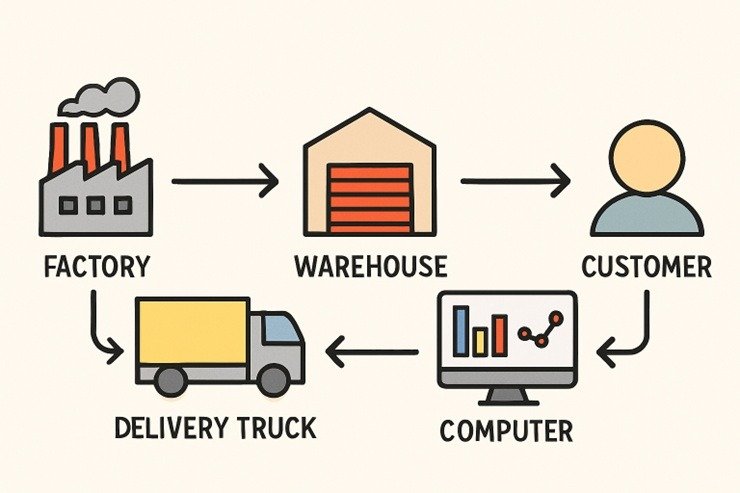
Key Takeaways
- Mapping your entire supply chain helps identify inefficiencies and improve productivity.
- Leveraging technology, such as ERP systems and automation, enhances visibility, reduces errors, and streamlines operations.
- Strong supplier relationships ensure quality materials, timely delivery, and better pricing.
- Predictive maintenance prevents equipment downtime and lowers long-term costs.
- Optimizing transportation routes improves delivery speed, reduces expenses, and boosts customer satisfaction.
- Flexible, scalable solutions allow your supply chain to adapt to changing market demands.
- Data analytics and predictive insights enable informed decisions and proactive problem-solving.
- Prioritizing customer-centric supply chain practices strengthens loyalty and competitive advantage.
Understanding Your Supply Chain
To lay the groundwork for a high-performing industrial supply chain, it’s vital to map out every step of your process in detail. From raw material acquisition to final product delivery, a comprehensive overview highlights potential bottlenecks and inefficiencies that may affect productivity and profitability. This detailed mapping enables leaders to identify specific pain points, develop targeted improvement plans, and react quickly to challenges as they arise. Partnering with reliable providers, such as Cruco Mill & Industrial Supply, can also help secure high-quality materials, reduce delays, and enhance overall supply chain resilience.
As you assess your supply chain, it’s essential to regularly revisit and update your process map. The supply chain ecosystem is dynamic, often impacted by market shifts, regulatory developments, and advances in operational technology. By remaining diligent and proactive, you ensure your organization can adapt to disruption and maintain a competitive edge in your industry.
Leveraging Technology for Enhanced Visibility
Investing in robust technology platforms, such as Enterprise Resource Planning (ERP) systems, can transform visibility across your supply chain. An integrated ERP solution provides real-time tracking of inventory, order statuses, and supplier performance, giving your team the actionable insights needed to optimize workflow and reduce errors. Additionally, these platforms enable advanced data analytics, allowing you to anticipate demand swings, minimize surplus inventory, and streamline communication from sourcing to delivery.
Automation should also play a central role in your efficiency strategy. Repetitive manual processes can be replaced with intelligent automation tools, freeing staff to focus on strategic priorities. With automated data collection and processing, it’s possible to reduce human error, accelerate order fulfillment, and improve response time to supply chain disruptions.
Building Strong Supplier Relationships
Your supply chain’s success is inextricably linked to the strength of your supplier relationships. Fostering open communication channels and collaborating closely on expectations can create trust and transparency with critical vendors. This trust is the foundation for securing better pricing, higher quality materials, and timely deliveries, especially when facing unexpected market disruptions or increased demand.
It’s beneficial to conduct regular supplier assessments and exchange feedback on performance metrics. When both parties are aligned on long-term goals and market conditions, issues can be addressed proactively before they escalate. These partnerships can position your organization to respond rapidly to market shifts, maintain product quality, and avoid costly production delays.
Implementing Predictive Maintenance
Keeping your industrial equipment in top shape is non-negotiable for maximizing efficiency. Predictive maintenance, enabled by IoT sensors and real-time monitoring, is an advancement that allows businesses to act before problems occur. With this approach, you can detect early signs of wear or system irregularities and schedule repairs at the optimal time, avoiding unscheduled outages and extending equipment lifespan. The result is lower maintenance costs and a notable reduction in operational downtime, which can be especially impactful for manufacturing environments that operate continuously.
Optimizing Transportation Routes
Efficient transportation is a key pillar in managing costs and maintaining dependable delivery schedules. Modern transportation management systems (TMS) leverage real-time data on traffic, weather, and fuel prices to recommend the quickest, most cost-effective delivery routes. Companies using these systems often experience significant savings on fuel and faster, more reliable shipments to customers. Optimizing transportation logistics not only boosts the bottom line but also strengthens your competitive position by improving service consistency.
Adopting Flexible Solutions
The industrial landscape is constantly changing, requiring supply chains to adapt quickly to new challenges and opportunities. A flexible, scalable approach to supply chain management is critical for sustainable success. Implement technology that grows with your business and accommodates changes in order volume or product diversity. Avoid solutions that only fit current needs, as these can become barriers as you expand or pivot to meet market trends. Preparing for scalability in your tech stack and operational processes enables a seamless transition when demand increases or when expansion becomes necessary.
Enhancing Data Analytics Capabilities
Data-driven decision-making is a major driver of supply chain efficiency. Implement tools that analyze past performance, track key supply chain metrics, and identify emerging trends. With predictive analytics, you can anticipate sales peaks, optimize stock levels, and proactively address potential supply chain disruptions. Regular analysis of metrics such as lead time, shipping costs, and errors supports ongoing improvement efforts while creating a foundation for agile, informed management strategies.
Focusing on Customer Satisfaction
Ultimately, the efficiency of your supply chain directly impacts your ability to satisfy customers. In today’s market, customers expect rapid, reliable service and seamless interactions, whether they are placing an order or processing a return. An optimized supply chain reduces errors, speeds up order fulfillment, and ensures a hassle-free purchase experience, which can set your business apart in competitive markets. Prioritizing customer-centric improvements across your supply chain will foster loyalty and improve your reputation as a dependable partner in your industry.
Final Thoughts
To achieve lasting supply chain efficiency, companies must remain committed to continuous improvement and adaptability. By following these proven strategies, leveraging technology, nurturing supplier partnerships, incorporating predictive maintenance, optimizing transportation, and focusing on flexibility, businesses can improve profitability, reduce risk, and strengthen their competitive advantage in the evolving industrial sector.









Moving to Spain from the U.S.: How to Get Started

8 Essential Skills for Managing a Growing Business

Top 5 Cloud Mining Platforms in 2026: A Guide to Passive Income Mining for $3,700

Simple Daily Habits for Better Spinal Health

Preventive Dental Care And Whole-Person Health: A Practical Guide

A Buyer’s Guide to Evaluating Knoxville, Tennessee Neighborhoods

How Structured Alarm Data Can Help Emergency Communication Centers Work More Efficiently

Digestive Changes During Cancer Treatment: What’s Normal, and What Helps

How AI Image Creators Are Changing Visual Content Creation

How to Plan International Gifts Without Last-Minute Stress

100 Motivational Quotes to Inspire You in 2026

How to Create a Vision Board That Actually Works (2026)

22 Best Self-Help Books to Read in 2026

How to Achieve Personal Growth in 2026

New Year Wishes and Quotes to Inspire and Celebrate (2026)

Loeb Smith reviews: Why Crypto Licensing Demands Patience, Structure, and Skepticism

Custom Cover Letter Generator: Create Tailored Letters in Minutes

How to Leverage Personal Development for Career Advancement

Top Fitness Coach Certification Programs for Aspiring Trainers

From Denver to Vail: Secrets, Snow, and Soul of the Rockies
-

 Motivation6 years ago
4 Fun New Hobbies To Try This Year
-

 Quotes4 years ago
53 Motivational Gym Quotes to Fuel Gym Workout
-

 Quotes11 years ago
50 Most Powerful Quotes Ever Spoken
-

 Travel2 years ago
Why You Should Travel More: The Many Benefits of Seeing the World
-
 Quotes9 months ago
100 Motivational Quotes to Inspire You in 2026
-

 Quotes2 years ago
43 Inspirational Quotes About Thoughts
-

 Quotes4 years ago
Motivational Quotes by Famous People
-

 Quotes1 year ago
100 Motivational Quotes to Start Your Day with Positivity