
Business
Practical Ways Humidity Control Improves Auto Plants

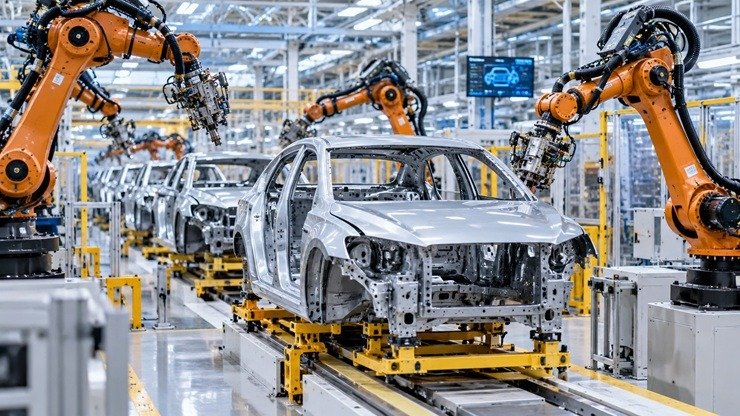
Anyone running or managing a manufacturing facility knows that small operational details often add up to the biggest savings. Humidity control is one of those details in automotive plants, quietly influencing everything from paint quality to equipment reliability, even though it rarely gets the spotlight.
If you are looking for practical ways to improve production consistency and cut unnecessary costs, understanding how humidity affects your plant is a good place to start. It is a simpler fix than most people assume, and the payoff tends to show up quickly.
Key Takeaways
- Humidity swings can affect paint quality, static buildup, and equipment reliability on the plant floor.
- An automotive manufacturing humidifier automates moisture control, removing manual guesswork.
- Better humidity management leads to fewer paint defects and less costly rework.
- Reduced static and equipment wear can lower maintenance costs and downtime.
- Energy-efficient systems can meaningfully reduce a plant’s overall utility costs over time.
The Practical Problem With Uncontrolled Humidity
Most manufacturing teams focus their attention on machinery, staffing, and process efficiency, and understandably so. But the air inside a facility plays a bigger role than many people realize, particularly in processes like painting and coating that are sensitive to moisture levels.
When humidity swings too low, static electricity builds up and can damage sensitive components. When it swings too high, paint and coatings may not cure properly, leading to defects that require costly rework. Either way, the plant ends up paying for a problem that could have been prevented.
What An Automotive Manufacturing Humidifier Actually Does
In simple terms, an automotive manufacturing humidifier keeps the air in a facility within a target humidity range automatically. Sensors monitor conditions continuously and adjust output as needed, so no one on the floor has to manually check or fine-tune the environment throughout the day.
This matters most in larger facilities, where humidity can vary noticeably depending on the section of the plant, proximity to paint booths, or nearby equipment generating heat.
Simple, Automated Operation
One of the biggest practical advantages of modern systems is how little hands-on management they require once installed. Fine-mist technology, for example, delivers precise humidity control without the energy demands of older steam-based systems.
Plants exploring this kind of upgrade can look at options like an automotive manufacturing humidifier built specifically for the demands of vehicle production environments, offering a practical, low-maintenance way to stay ahead of humidity related issues.
Practical Benefits Worth Knowing
Beyond the basic function, there are a few concrete benefits worth understanding before deciding whether an upgrade makes sense.
Better Paint Results
Paint and coating processes are especially sensitive to humidity, and inconsistent conditions can lead to defects that are expensive to fix. Stable humidity helps ensure coatings cure properly and consistently, reducing the amount of rework needed across a production run.
Fewer defects also mean smoother production schedules, since fewer vehicles need to be pulled aside for correction.
Fewer Equipment Problems
Dry air increases static electricity, which can quietly damage sensitive electronic components used throughout modern vehicles. Keeping humidity in a stable range reduces this risk and helps extend the life of expensive equipment.
Over time, this adds up to fewer repairs, fewer replacement parts, and less unplanned downtime for the plant.
Cost Savings Add Up Over Time
Fine-mist humidification systems generally use less energy than older steam-based alternatives, which translates directly into lower utility costs. Some systems also provide a cooling effect as a side benefit, which can reduce strain on air conditioning during warmer months.
None of these savings are dramatic on their own, but they compound across a large facility running continuous production. For plants looking for practical, low-risk ways to cut costs, this is worth a closer look.
Tips For Choosing The Right System
If you are considering an upgrade, start by evaluating how well a system can integrate with your existing facility infrastructure and how much ongoing maintenance it will require. It is also worth checking water quality requirements, since a poorly maintained system can introduce its own set of problems.
Finally, think about scalability. A system that fits your current production needs but cannot expand with future growth may end up costing more in the long run.
Conclusion
Humidity control is a practical, often overlooked lever for improving quality and cutting costs in automotive manufacturing. A well-chosen automotive manufacturing humidifier reduces paint defects, protects equipment, and lowers energy expenses without requiring major operational changes. For plants looking for a straightforward efficiency win, it is worth serious consideration.
FAQs
Why Does Humidity Matter So Much In Automotive Manufacturing?
Humidity affects paint curing and static-related equipment risk, both of which have direct cost implications. Stable conditions help reduce defects and unplanned equipment failures.
How Does An Automotive Manufacturing Humidifier Save Money?
These systems reduce paint defects and equipment damage while typically using less energy than older humidification methods. Over time, these savings add up across a full production schedule.
Is Humidity Control Difficult To Manage On The Plant Floor?
Not with modern systems. Automated sensors handle adjustments continuously, removing the need for manual monitoring throughout the day.
Can Better Humidity Control Reduce Equipment Downtime?
Yes, stable humidity reduces static-related damage to sensitive components, which lowers the frequency of repairs and unplanned downtime.
What Should I Consider Before Upgrading My Plant’s Humidification System?
Look at how well the system integrates with your existing infrastructure, its maintenance requirements, and whether it can scale with future production needs. A specialist familiar with manufacturing environments can help you choose the right fit.










5 Signs You’re Not Just Busy, You’re Overwhelmed

How Hiring Emergency Water Damage Restoration Service Prevents Structural Rot

Planning a Lahore Heritage Break with Time to Explore

How Small Businesses Can Make Cross-Border Payments Faster, Clearer, and More Reliable

How Tampa Businesses Can Choose a Commercial Location

How High School Counselor Marketing Helps College Admissions Teams Reach Early Decision and Early Action Applicants

Create a Flexible Fat Loss Routine You Can Maintain Long-Term

Keep Your CPR Skills Ready: A Simple Renewal Plan for Work, Home, and Community

The Moving-Day Survival Kit Every Household Should Prepare

Things People Wish They Had Planned Better Before Moving

100 Motivational Quotes to Inspire You in 2026

How to Create a Vision Board That Actually Works (2026)

22 Best Self-Help Books to Read in 2026

How to Achieve Personal Growth in 2026

New Year Wishes and Quotes to Inspire and Celebrate (2026)

Loeb Smith reviews: Why Crypto Licensing Demands Patience, Structure, and Skepticism

How to Leverage Personal Development for Career Advancement

Top Fitness Coach Certification Programs for Aspiring Trainers

From Denver to Vail: Secrets, Snow, and Soul of the Rockies

How to Choose the Best Manali Tour Package for a Family-Friendly Vacation?
-

 Motivation6 years ago
4 Fun New Hobbies To Try This Year
-

 Quotes4 years ago
53 Motivational Gym Quotes to Fuel Gym Workout
-

 Quotes11 years ago
50 Most Powerful Quotes Ever Spoken
-

 Travel2 years ago
Why You Should Travel More: The Many Benefits of Seeing the World
-
 Quotes10 months ago
100 Motivational Quotes to Inspire You in 2026
-

 Quotes3 years ago
43 Inspirational Quotes About Thoughts
-

 Quotes4 years ago
Motivational Quotes by Famous People
-

 Quotes1 year ago
100 Motivational Quotes to Start Your Day with Positivity