
Tech
How Structured Alarm Data Can Help Emergency Communication Centers Work More Efficiently

Key Takeaways
- Structured alarm data can reduce repetitive manual communication.
- Accurate locations, contacts, and event details support better dispatch workflows.
- CAD integration can help organize alarm information for review.
- Automation should complement, not replace, dispatcher judgment and local procedures.
- Regular testing, data maintenance, and security safeguards are essential.
- Reliable technology and trained professionals remain central to effective emergency communication.
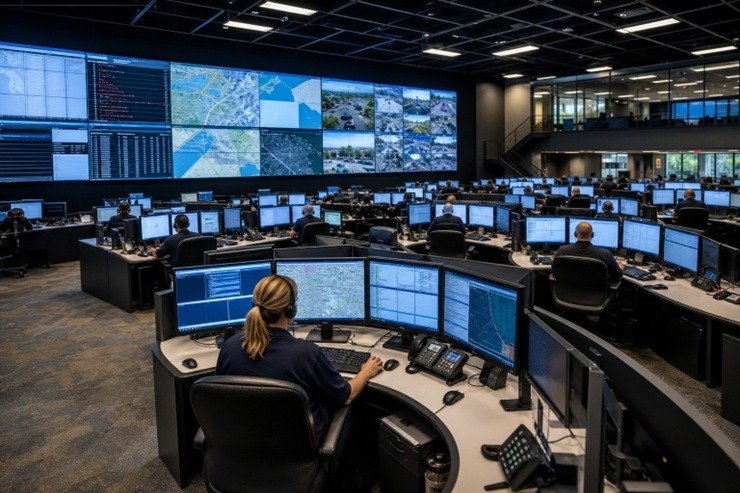
Emergency communication centers must sort, verify, and route critical information under significant time pressure. When alarm information arrives as clear, structured data instead of being relayed entirely by phone, dispatch personnel can spend less time collecting routine details and more time reviewing the event, following local procedures, and supporting urgent calls.
For monitoring companies and public safety partners exploring this approach, learn more here about systems designed to send alarm information electronically to participating emergency communication centers. Digital delivery does not replace professional judgment, agency policy, or emergency call handling. It can, however, provide a more consistent starting point for the people responsible for dispatch decisions.
Why Better Data Matters in Emergency Communications
A call taker or dispatcher may need to determine the location, event type, occupancy details, hazards, contacts, and response instructions before resources can be assigned. Information that is incomplete, outdated, or difficult to interpret can create additional follow-up work. Structured messages help present important fields in a consistent format, making them easier to review within an established workflow. For organizations managing large volumes of alarm records, a data extraction service can also help capture and organize relevant information from existing systems, provided the process follows applicable security, privacy, and data-handling requirements.
For example, a commercial fire alarm event may include a street address, suite number, panel or zone description, activation time, site name, and call-back contacts. If those details are current and accurately transmitted, a dispatcher can assess the report with more context than a basic notification that an alarm has been activated.
Efforts to improve data consistency are also part of the broader evolution of emergency communications. The federal 911 data initiative identifies data uniformity, automated handling, secure sharing, and training as important elements of a stronger information environment for 911 systems.
How Alarm Data Moves From Detection to Dispatch
The basic process begins when a protected device detects an event, such as smoke, intrusion, a panic signal, or a medical alert. The alarm system sends the signal to a monitoring center, where trained personnel and established procedures determine the appropriate next step. In a traditional phone-based workflow, a monitoring operator calls the emergency communication center and communicates the event details verbally.
With a connected digital workflow, the monitoring center can transmit a structured event message to the participating center’s computer-aided dispatch (CAD) system. CAD is the software dispatch teams use to create, update, prioritize, and manage calls for service. Compatibility, local participation, accurate account data, and agreed-upon operating procedures are all necessary for reliable electronic delivery.
Where Manual Processes Create Delays
Phone reporting remains an important fallback and may be required in many circumstances. Still, it can involve hold times, repeated questions, verbal clarification, and manual entry by both the monitoring operator and the dispatcher. Each handoff creates an opportunity for a suite number, contact phone number, or alarm-zone description to be misunderstood or entered inconsistently.
A Simple Before-and-After Scenario
- Phone-based report: A monitoring operator waits for a call to be answered, provides the address and event type, answers questions, and repeats details while the receiving employee enters them into CAD.
- Structured message: A participating system delivers the address, account information, event type, time, and other configured data fields electronically for review in the dispatch workflow.
Automation does not remove the dispatcher from the process. It reduces repetitive handling of information, allowing the dispatcher to focus on reviewing the event, applying agency protocol, and making decisions that require human attention.
What Information Dispatchers Need
The usefulness of an alarm message depends on the quality of the information it contains. A well-maintained record may include:
- The verified street address, building name, unit, suite, floor, or gate details.
- The alarm category, such as fire, burglary, panic, medical, or supervisory signal.
- The affected area, device, or alarm zone, when available.
- The activation time and the site or customer identifier.
- Current emergency contacts and any relevant special instructions.
- Known hazards, access information, or premises details permitted by local policy.
- Information indicating whether the event has been reviewed or otherwise verified.
Address accuracy deserves particular attention. Even a complete message loses value if a business has moved, a suite number is missing, or the responding agency’s location records do not match the monitoring account. Routine record maintenance should be a core part of any alarm data program.
CAD Integration and Common Standards
CAD integration places structured alarm details into the same operational environment that dispatch personnel already use for calls for service. This can reduce the need to copy information between systems and can support a more consistent event record. The exact screen layout, review process, and dispatch actions remain determined by the individual agency.
The Automated Secure Alarm Protocol describes a standardized approach for delivering alarm-monitoring information electronically to emergency communication centers. Shared formats can make it easier for monitoring companies, CAD providers, and participating public safety agencies to exchange defined data fields while preserving local operating rules.
Potential Benefits for Dispatch Teams and Responders
- Fewer communication errors. Standardized fields can reduce the chance that key details are misheard or transcribed incorrectly.
- Dispatch personnel may have fewer routine details to type manually.
- More complete event context. Location details, alarm types, contacts, and site instructions can be available together for review.
- Clearer event records. Consistent messages can support documentation, quality review, and follow-up.
- Better use of human attention. Teams can devote more focus to exceptions, verification, caller needs, and events requiring active decision-making.
These benefits are potential operational improvements, not guarantees of a particular response time or emergency outcome. Response decisions still depend on local protocols, staffing, call volume, available units, event conditions, and professional judgment.
Limits, Risks, and Local Requirements
No two emergency communication centers use exactly the same software, staffing model, alarm ordinance, or dispatch protocol. Before implementation, partners should confirm technical requirements, message content, acceptance rules, training needs, failure procedures, and the circumstances in which a phone call remains necessary.
Data quality and system resilience require ongoing attention. Incorrect addresses, expired contacts, confusing zone names, access-control weaknesses, connectivity interruptions, and poorly understood error messages can undermine the value of automation. Regular testing, access management, backup procedures, and prompt correction of rejected messages are practical safeguards.
What to Watch in 2026 and Beyond
Emergency systems are becoming more connected, and future messages may include richer location information, mobile alerts, video verification, and data from connected devices. Those additions can provide useful context, but only when the information is reliable, relevant, secure, and presented in a way that supports rather than distracts the dispatcher.
Organizations considering automated classification or artificial intelligence tools should keep people in control of consequential decisions. The most useful foundation remains straightforward: accurate locations, clear event types, dependable system handoffs, trained staff, and local policies that are regularly tested.
Final Takeaway
Structured alarm data can help emergency communication centers reduce manual steps and evaluate alarm events with clearer information. The strongest results come from combining dependable technology with accurate records, thoughtful integration, regular testing, cybersecurity safeguards, and experienced professionals who remain responsible for the decisions that matter most.













From Everyday Savings to Exclusive Offers: Discovering the Best Deals This Week

Dinner Party Polish – 6 Ways to Make Home-Cooked Meals Look & Taste Restaurant-Worthy

How To Compare Physical Assets Before Adding Them To A Portfolio

How Do the Brain and Body Work Together?

How Digital Convenience Is Changing the Way We Discover and Buy What We Love

Nano Banana 2.5 and the Rise of Prompt-Led Image Creation

These 5 Shower Filter Brands Will Improve Your Water Quality and Your Wellbeing

Your Dental Checkup Is Doing More For Your Health Than You Think

How to Plan a Home Renovation Materials List and Timeline

The New Limousine: How Luxury Mercedes Sprinter Vans Are Changing the Ride

100 Motivational Quotes to Inspire You in 2026

How to Create a Vision Board That Actually Works (2026)

22 Best Self-Help Books to Read in 2026

How to Achieve Personal Growth in 2026

New Year Wishes and Quotes to Inspire and Celebrate (2026)

Loeb Smith reviews: Why Crypto Licensing Demands Patience, Structure, and Skepticism

How to Leverage Personal Development for Career Advancement

Top Fitness Coach Certification Programs for Aspiring Trainers

From Denver to Vail: Secrets, Snow, and Soul of the Rockies

How to Choose the Best Manali Tour Package for a Family-Friendly Vacation?
-

 Motivation6 years ago
4 Fun New Hobbies To Try This Year
-

 Quotes4 years ago
53 Motivational Gym Quotes to Fuel Gym Workout
-

 Quotes11 years ago
50 Most Powerful Quotes Ever Spoken
-

 Travel2 years ago
Why You Should Travel More: The Many Benefits of Seeing the World
-
 Quotes10 months ago
100 Motivational Quotes to Inspire You in 2026
-

 Quotes3 years ago
43 Inspirational Quotes About Thoughts
-

 Quotes4 years ago
Motivational Quotes by Famous People
-

 Quotes1 year ago
100 Motivational Quotes to Start Your Day with Positivity