
Lifestyle
Better Living by Design & The Practices That Support a Stronger Future

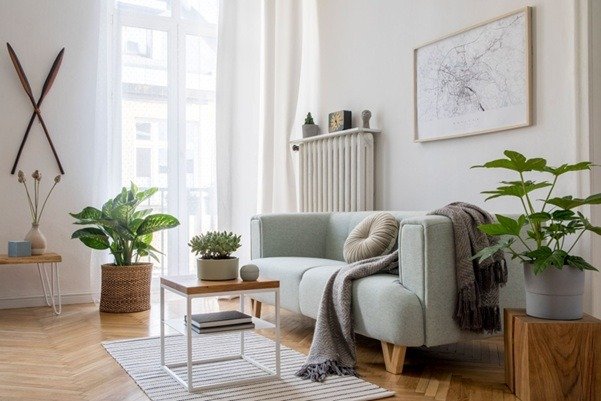
Imagine a home that adapts to every stage of life, reduces environmental impact, and supports your well-being. As our needs change, through aging, growing families, or evolving work habits, thoughtful design can create accessible living spaces that are sustainable and healthful.
In this article, you will discover:
- Universal design principles that ensure accessibility for all ages and abilities
- Aging in place strategies, from step-free entrances to kitchen and bathroom upgrades
- Sustainable remodeling practices, including eco-friendly materials, budgeting tips, and circular economy approaches
- Daily habits and rituals that foster balance, mindfulness, and productivity
- Community living models that strengthen social ties, share resources, and build long-term resilience
Whether you plan a home renovation, new build, or sustainable remodeling project, these insights on universal design, aging in place strategies, eco-friendly materials, and community living models will help you create a resilient home.
Let’s begin with universal design principles for accessible living.
Universal Design Principles for Accessible Living
Universal design creates inclusive, adaptable homes that remove barriers and meet a wide range of needs. This approach supports accessible home design for people of all ages and abilities, whether they use a wheelchair or have limited dexterity.
Equitable Use
Features serve all users equally and avoid segregation. Step-free entrances, 36-inch-wide doorways, and lever handles benefit wheelchair users and people with limited dexterity. This inclusive design enhances accessible living and expands market appeal by meeting diverse resident needs.
Flexibility in Use
Adaptable spaces respond to changing routines and life stages. Adjustable-height counters, movable islands, and modular storage let residents customize layouts. Furniture on casters and sliding partitions create multipurpose rooms that evolve with aging, family growth, or home office needs.
Simple and Intuitive
Controls and layouts follow logical patterns for instant comprehension. Rocker switches at consistent heights, clear hallway transitions, and intuitive touchscreen panels guide users regardless of technology experience. Simple signage and familiar layouts reduce learning curves and stress.
Perceptible Information
Essential information reaches all users through multiple modes. High-contrast finishes, tactile markers, and clear pictograms communicate tasks and exit routes. In kitchens, contrasting cabinet edges aid low-vision users. Tactile exit signs and audible alerts enhance safety.
Low Physical Effort
Features demand minimal force and reduced motion. Touchless faucets, easy-glide drawers, and lightweight sliding doors reduce fatigue. Operable windows with balanced sashes and cordless blinds improve usability. These fixtures support independent living for older adults.
Aging in Place: Strategies for Future-proof Homes
Aging in place strategies help you plan for long-term accessibility and comfort. These approaches allow residents to stay in their homes as needs evolve, from mobility challenges to health concerns.
Accessible Entrances and Pathways
Ensuring easy access starts at the home entry. Install step-free entrances with gentle slopes or ramps and use wide doorways (minimum 36 inches) for mobility aids.
Equip thresholds with low-rise ramps to eliminate tripping hazards. Add textured, slip-resistant surfaces and handrails along walkways. Keep paths clear of obstacles to reduce fall risks and support independence.
Bathroom and Kitchen Adaptations
Bathroom Adaptations
Upgrade bathrooms with curbless showers and non-slip flooring. Mount grab bars near toilets and in shower areas to ease transfers.
Choose raised-height toilets and lever-style faucets with temperature controls. Add a handheld shower head and a built-in bench for safe transfers. These features reduce strain and support accessible living.
Kitchen Adaptations
Design accessible kitchens with adjustable-height counters and pull-out shelves. Use D-shaped lever handles and side-opening ovens. Position frequently used items within easy reach.
Include under-cabinet lighting and slip-resistant mats to improve visibility and stability. These adaptations help seniors stay active and self-reliant in their own homes.
Smart Home Integration
Leverage smart home technology for safety, convenience, and energy-efficient upgrades. Voice-activated lighting and automated thermostats deliver hands-free control.
Integrate fall detection sensors and emergency response systems that alert caregivers. Use remote health monitoring devices for vital sign tracking. Smart locks and video doorbells enhance security and offer remote peace of mind.
Safety Surfaces and Lighting
Enhance safety with layered lighting and non-slip surfaces. Install bright, anti-glare LED fixtures in hallways and work areas.
Add motion-sensor night lights to guide movement after dark. Mount handrails along corridors and stairways. Use cushioned mats in high-risk zones and apply high-contrast strips on steps to prevent trips.
Sustainable Remodeling & Construction Practices
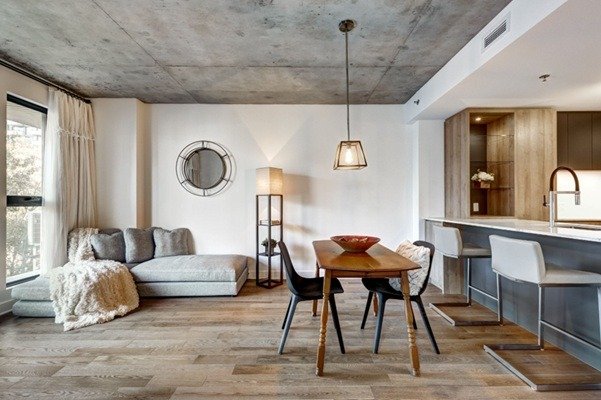
Upgrading your home with sustainable remodeling practices reduces environmental impact and often yields long-term savings. This section covers eco-friendly materials, budgeting tips, contractor selection, and circular economy strategies.
Eco-friendly Materials
Selecting the right materials lowers embodied carbon and enhances indoor air quality. Focus on low-VOC paints and natural insulation to create a healthier home environment.
Key Options
- Bamboo flooring: fast-growing, durable substitute for hardwood.
- Reclaimed wood: salvaged lumber adds character and reduces waste.
- Recycled steel framing: strong, termite-resistant, and endlessly recyclable.
- Hemp or cellulose insulation: high R-value with natural moisture control.
- Low-VOC paints and finishes: minimize harmful off-gassing and improve air quality.
Cost Analysis and Financing
Understanding costs and funding ensures your remodeling project stays on budget. Prioritize upgrades that deliver energy-efficient savings, such as insulation and high-performance windows.
Budgeting Tips
- Prioritize high-return upgrades like insulation and efficient windows.
- Use energy modeling tools to predict savings before you start.
Financing Options
- PACE loans: repay through property tax assessments.
- Green mortgages: offer lower rates for energy-efficient homes.
- Utility rebates and tax credits: reduce upfront expenses for solar, HVAC, and insulation.
Before applying for any of these options, review your credit to understand eligibility and financing terms.
Choosing the Right Contractor
- Verify certifications such as LEED AP, BPI, or Green Advantage.
- Review past projects for eco-credentials and customer feedback.
- Confirm they follow waste-reduction practices and proper material handling.
Circular Economy Approaches
- Deconstruction over demolition: salvage doors, fixtures, and finishes for resale or donation.
- Modular prefabrication: assemble components off-site to reduce on-site waste.
- On-site recycling: separate debris streams and partner with local recycling centers.
By integrating these sustainable construction and circular economy practices, homeowners can create healthier, more resilient living spaces with a lighter ecological footprint.
Cultivating Personal Habits for Balance and Well-being
Daily routines support long-term balance, productivity, and holistic health. Tailor each habit to your lifestyle and goals with simple structures that fit your commitments.
Morning and Evening Rituals
Start with a clear morning plan. Spend five minutes stretching or journaling to set intentions and review one to three key tasks before checking messages. This focus prevents distraction and boosts productivity.
In the evening, reflect on accomplishments and list wins. Note areas for adjustment and prepare your schedule and essentials for the next day. These rituals bookend your day with purpose.
Mindfulness and Meditation
Practicing mindfulness reduces stress and improves emotional balance. Begin with a short breathing exercise and increase session length over time.
- Find a quiet spot and sit upright with your feet on the floor.
- Inhale for four counts, then exhale for six.
- Aim for five to ten minutes twice daily.
Guided apps or timers help maintain consistency and build a lasting meditation habit.
Time Blocking for Priorities
- Allocate blocks for deep work, breaks, and meetings.
- Label each block with a clear outcome.
- Include buffer time to handle urgent items.
Plan your schedule on Sunday or the evening before to prevent multitasking and improve focus.
Healthy Lifestyle Integrations
- Schedule a balanced meal or snack every three to four hours.
- Plan two to three active breaks each day, such as a walk or simple stretches.
- Commit to seven to eight hours of sleep by setting a consistent bedtime.
- Consider targeted health supplements to support cardiovascular wellness.
Regular check-ins with your own cues, hunger, energy levels, and mood guide adjustments. Over time, these habits sustain well-being and intrinsic motivation.
Community Models for a Resilient Future
Social living models strengthen resilience by pooling resources and nurturing social ties. Cohousing, intergenerational villages, and shared gardens foster collaboration on daily tasks, skill exchanges, and community decision-making.
Senior Cohousing
Senior cohousing brings adults over 55 into purpose-built neighborhoods that balance private homes with communal areas. A common house may include a shared kitchen, dining room, and workshop.
Residents share meal preparation, gardening, and home maintenance. Governance often uses consensus or elected councils, reducing isolation, extending social networks, and spreading the cost of support services.
Intergenerational Villages
Intergenerational villages integrate families, seniors, and singles in one community. Housing designs feature adaptable layouts, wide corridors, and accessible entrances to meet diverse needs.
Shared amenities like playgrounds, community rooms, and fitness spaces encourage daily interaction. Programs such as mentoring, childcare swaps, and workshops foster mutual support across age groups.
Community Gardens and Shared Spaces
Community gardens and shared spaces offer hands-on resource pooling and local food production. Neighbors tend individual plots or raised beds for vegetables and herbs.
Compost systems and tool libraries keep costs low. Outdoor pavilions host repair cafes, potlucks and planning meetings. Clear guidelines and rotating roles ensure fair use and long-term care.
Conclusion
By applying thoughtful design and intentional habits, you can transform any living space into a resilient, healthy environment that adapts as your needs evolve.
Universal Design
- Creates accessible spaces for all ages and abilities
- Uses features like step-free entrances, lever handles, and high-contrast finishes
Aging in Place
- Incorporates safe entries, curbless showers, and grab bars
- Leverages smart home integration for hands-free control and emergency alerts
Sustainable Remodeling
- Chooses low-embodied-carbon materials and energy-efficient upgrades
- Embraces deconstruction, modular prefab, and on-site recycling
Personal Habits for Well-Being
- Structures your day with morning and evening rituals
- Practices mindfulness, time blocking, and healthy lifestyle integrations
Community Models
- Builds social networks through cohousing and intergenerational villages
- Shares resources in community gardens and tool libraries
This guide offers practical steps to future-proof your home, reduce environmental impact, and foster personal health. Whether you start with a single renovation or explore shared-living models, each practice supports a stronger, more connected future. Begin today and design a life that grows with you.











Top 5 Cloud Mining Platforms in 2026: A Guide to Passive Income Mining for $3,700

Simple Daily Habits for Better Spinal Health

Preventive Dental Care And Whole-Person Health: A Practical Guide

A Buyer’s Guide to Evaluating Knoxville, Tennessee Neighborhoods

How Structured Alarm Data Can Help Emergency Communication Centers Work More Efficiently

Digestive Changes During Cancer Treatment: What’s Normal, and What Helps

How AI Image Creators Are Changing Visual Content Creation

How to Plan International Gifts Without Last-Minute Stress

7 Simple Home Maintenance Tasks That Can Prevent Expensive Repairs

Beyond Website Traffic: 7 Digital Marketing Signals That Reveal Who Is Ready to Buy

100 Motivational Quotes to Inspire You in 2026

How to Create a Vision Board That Actually Works (2026)

22 Best Self-Help Books to Read in 2026

How to Achieve Personal Growth in 2026

New Year Wishes and Quotes to Inspire and Celebrate (2026)

Loeb Smith reviews: Why Crypto Licensing Demands Patience, Structure, and Skepticism

Custom Cover Letter Generator: Create Tailored Letters in Minutes

How to Leverage Personal Development for Career Advancement

Top Fitness Coach Certification Programs for Aspiring Trainers

From Denver to Vail: Secrets, Snow, and Soul of the Rockies
-

 Motivation6 years ago
4 Fun New Hobbies To Try This Year
-

 Quotes4 years ago
53 Motivational Gym Quotes to Fuel Gym Workout
-

 Quotes11 years ago
50 Most Powerful Quotes Ever Spoken
-

 Travel2 years ago
Why You Should Travel More: The Many Benefits of Seeing the World
-
 Quotes9 months ago
100 Motivational Quotes to Inspire You in 2026
-

 Quotes2 years ago
43 Inspirational Quotes About Thoughts
-

 Quotes4 years ago
Motivational Quotes by Famous People
-

 Quotes1 year ago
100 Motivational Quotes to Start Your Day with Positivity