
Lifestyle
Professional Ev Charger Installation vs DIY: Your Deciding Factor


As electric vehicles (EVs) continue their ascent in popularity, especially in areas like Eastern Oregon, drivers are faced with a key logistical question: Should they opt for professional EV charger installation, or attempt a Do-It-Yourself (DIY) approach? With the increasing demand for home charging solutions, understanding which installation method suits your needs and skill level is vital.
For Eastern Oregon drivers contemplating an EV charger installation, this guide offers insight on the merits and considerations of both professional and DIY methods, facilitating a well-informed decision. Below, we delve into the technical, financial, and practical aspects to help you navigate the roads less traveled by gas-powered vehicles.
Understanding Professional EV Charger Installation
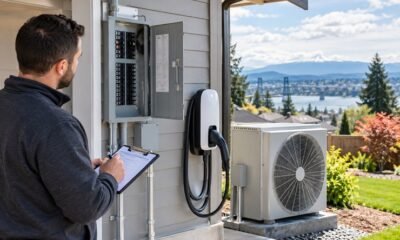
Professional EV charger installation is often recommended for drivers who value safety and reliability. Technicians bring expertise and experience, ensuring that the EV charging station adheres to local codes and safety standards. As a driver in Eastern Oregon, opting for professional EV charger installation Pendleton OR might be preferable to grappling with the intricacies of electrical systems yourself.
In professional installations, technicians typically handle the entire process, from assessing your home’s electrical system to the final test of the charger. This approach not only mitigates the risk of electrical hazards but also usually comes with warranties and customer support, offering peace of mind post-installation.
Before deciding, be sure to research local providers and read reviews to gauge their reliability and service quality. This extra step ensures that your EV charging solution is set up by a professional who understands the regional requirements and weather conditions of Eastern Oregon.
DIY EV Charger Installation: Assessing the Risks and Rewards
For the hands-on EV owner, DIY installation might seem like a cost-effective and satisfying project. It can indeed reduce upfront costs and offer a sense of accomplishment. However, the rewards come with considerable risks, such as potential electrical mishaps or voiding manufacturer warranties due to incorrect installation.
Understanding electrical codes, the capacity of your home’s electrical system, and the appropriate equipment is critical if you are considering a DIY approach. A mistake during installation could lead to costly repairs, not to mention the safety hazards associated with improper handling of electrical components.
Should you still lean towards DIY, take advantage of reputable resources and thorough guides. Ensure you are equipped with the right knowledge, tools, and safety gear to undertake the installation. Keep in mind that consulting an electrician for a partial DIY, such as preparing the site before professional installation, could be a viable compromise.
Cost Comparison: Professional Installation Versus DIY Approach
The cost comparison between professional and DIY EV charger installation is often a significant deciding factor for drivers. While it’s clear that a DIY approach can avoid labor costs, it’s important to consider the potential for hidden expenses that may arise from mistakes or the need for specialized tools.
A professional installation, while higher in initial cost, can save money in the long run through energy efficiency optimizations and avoiding damage to your home’s electrical infrastructure. These installers often offer packages that include the charger, labor, and additional services, streamlining the process for those unfamiliar with electrical work.
To get a clear picture of what to expect financially, request quotes from professional installers and compare them to the cost of purchasing a charger and any necessary tools yourself. Keep in mind the value of warranties and ongoing support that professionals provide.
Making the Choice: Factors to Consider for EV Charger Installation

Deciding between professional and DIY EV charger installation involves several considerations. Assess your technical expertise, understanding of electrical systems, and the time you can commit to the project. It’s essential to weigh these personal factors against the overall benefits and potential pitfalls of each method.
Don’t overlook additional considerations like the long-term reliability of the installation, the compatibility of the charger with your EV, and any permits or inspections required by Eastern Oregon regulations. A professional installation ensures compliance with these aspects, whereas a DIY approach might necessitate more research and coordination with local authorities.
Ultimately, consider the impact on your EV’s performance and the convenience of use. A professionally installed EV charger is likely to deliver the most seamless and worry-free charging experience, which is an important aspect for hassle-free EV ownership. For those inclined towards DIY, ensure to follow all safety protocols and possibly consult experts for guidance during the process.
Ultimately, the choice between professional and DIY EV charger installation boils down to a balance between cost, skill level, safety, and long-term benefits. Eastern Oregon drivers should carefully examine their particular needs and capabilities before deciding. Remember, the aim is to support the smooth running of your EV, making your transition to electric driving as seamless as possible.












Top 5 Cloud Mining Platforms in 2026: A Guide to Passive Income Mining for $3,700

Simple Daily Habits for Better Spinal Health

Preventive Dental Care And Whole-Person Health: A Practical Guide

A Buyer’s Guide to Evaluating Knoxville, Tennessee Neighborhoods

How Structured Alarm Data Can Help Emergency Communication Centers Work More Efficiently

Digestive Changes During Cancer Treatment: What’s Normal, and What Helps

How AI Image Creators Are Changing Visual Content Creation

How to Plan International Gifts Without Last-Minute Stress

7 Simple Home Maintenance Tasks That Can Prevent Expensive Repairs

Beyond Website Traffic: 7 Digital Marketing Signals That Reveal Who Is Ready to Buy

100 Motivational Quotes to Inspire You in 2026

How to Create a Vision Board That Actually Works (2026)

22 Best Self-Help Books to Read in 2026

How to Achieve Personal Growth in 2026

New Year Wishes and Quotes to Inspire and Celebrate (2026)

Loeb Smith reviews: Why Crypto Licensing Demands Patience, Structure, and Skepticism

Custom Cover Letter Generator: Create Tailored Letters in Minutes

How to Leverage Personal Development for Career Advancement

Top Fitness Coach Certification Programs for Aspiring Trainers

From Denver to Vail: Secrets, Snow, and Soul of the Rockies
-

 Motivation6 years ago
4 Fun New Hobbies To Try This Year
-

 Quotes4 years ago
53 Motivational Gym Quotes to Fuel Gym Workout
-

 Quotes11 years ago
50 Most Powerful Quotes Ever Spoken
-

 Travel2 years ago
Why You Should Travel More: The Many Benefits of Seeing the World
-
 Quotes9 months ago
100 Motivational Quotes to Inspire You in 2026
-

 Quotes2 years ago
43 Inspirational Quotes About Thoughts
-

 Quotes4 years ago
Motivational Quotes by Famous People
-

 Quotes1 year ago
100 Motivational Quotes to Start Your Day with Positivity