
Lifestyle
Hunting Season Road Trip Planning: What to Pack Before You Leave

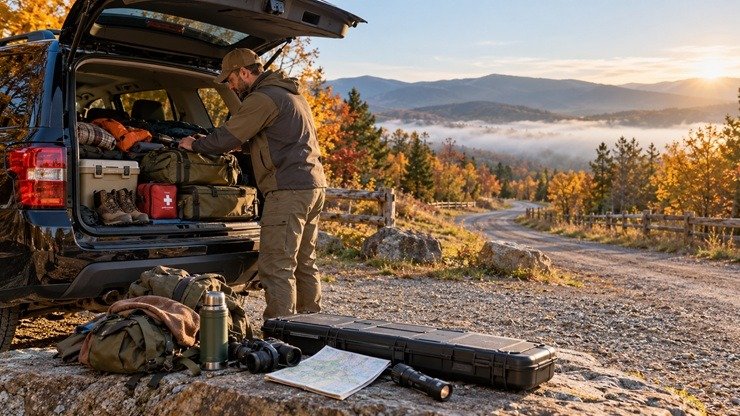
A hunting trip can look simple on the calendar: leave before sunrise, drive to camp, spend a few days outdoors, then come home with stories, muddy boots, and hopefully a cooler that justifies the fuel bill.
The reality is that a successful hunting road trip starts well before you reach the trailhead. Long drives, changing weather, unfamiliar roads, limited cell service, and forgotten gear can turn a pleasant weekend into an unnecessarily complicated one. A little preparation keeps the trip focused on the outdoors rather than solving avoidable problems from the side of a highway.
Here is what to pack and check before pulling out of the driveway.
Start With the Vehicle
Your vehicle is part of your hunting gear. Before departure, check the basics: tire pressure, tire condition, fluids, lights, battery, windshield wipers, and the spare tire or repair equipment.
NHTSA recommends checking tire pressure before long trips, inspecting tires for damage and wear, and carrying a roadside emergency kit. Its suggested kit includes items such as a phone and charger, first-aid supplies, a flashlight, jumper cables, a tire-pressure gauge, water, food, maps, and emergency blankets.
It is also worth giving the cargo area a reality check. Coolers, packs, cases, boots, and other equipment can add up quickly. Keep heavier items secured so they cannot shift during hard braking or a sudden maneuver. NHTSA notes that unsecured cargo can create hazards for occupants and other road users.
Pack for the Weather You Might Get
The forecast when you leave may not resemble conditions when you arrive.
Pack layers rather than relying on one heavy jacket. Depending on the location and season, that can mean moisture-wicking base layers, insulating mid-layers, a waterproof outer layer, gloves, a hat, extra socks, and sturdy footwear. Keep at least one dry change of clothes somewhere accessible rather than buried beneath everything else.
Weather gear should also cover the drive itself. A blanket, rain gear, extra water, snacks, and a flashlight can be useful if a delay leaves you sitting in the vehicle longer than expected.
FEMA recommends keeping portable emergency supplies in vehicles, including water, nonperishable food, a flashlight, first-aid supplies, batteries or charging equipment, and local maps.
Build a Hunting-Specific Checklist
The easiest way to forget something is to pack from memory.
Create a checklist several days before departure and divide it into categories. Hunting equipment, clothing, food, vehicle supplies, personal items, and paperwork can each have their own section.
For the outdoor portion of the trip, consider essentials such as:
- Hunting license and required permits
- Identification
- Maps or an offline navigation option
- Appropriate clothing and extra socks
- Boots and rain gear
- Food, water, and a cooler
- First-aid supplies
- Headlamp or flashlight with spare batteries
- Knife or other lawful field tools
- Phone, power bank, and charging cables
- Game bags or other appropriate field supplies
- Eye and hearing protection where applicable
- Firearm case and other required safety equipment, if a firearm is part of the hunt
The exact list depends on the species, terrain, season, regulations, and length of the trip. The important part is having a system rather than assuming you will remember everything at 5 a.m.
Check the Rules Before Crossing State Lines
A hunting road trip may cross counties, states, or jurisdictions with different requirements. Firearm transportation, ammunition, hunting licenses, magazine restrictions, seasons, tagging requirements, and possession rules can vary.
Do your research before leaving rather than trying to sort out regulations from a gas station parking lot. Check the official wildlife agency and applicable state or local government resources for every jurisdiction on your route.
If a firearm is part of the trip, keep it secured and transported in accordance with applicable laws. The same goes for ammunition. Requirements can differ depending on where you are traveling and how the equipment is transported.
Keep Ammunition Organized
Ammunition is one of those supplies that is easy to overlook until you are miles from home.
For lawful hunters, buying or organizing bulk ammo can be one practical way to prepare for a season, particularly when the same cartridge is used for practice and hunting where appropriate. Before packing, confirm that the ammunition matches the firearm and intended use, and keep it stored and transported safely according to applicable requirements.
Ammunition should also be kept dry and protected from unnecessary damage. More importantly, avoid treating ammunition as a substitute for preparation. Reliability starts with using appropriate ammunition in the actual firearm and confirming that the combination functions as expected before the trip.
Do a Final Gear-and-Route Check
The night before departure, do one final pass through the checklist.
Confirm the route, weather, road conditions, fuel stops, lodging or campsite information, and any access requirements. Download maps if service may be limited. Tell someone where you are going and when you expect to return, particularly for remote destinations.
Then check the little things: phone charged, power bank packed, prescriptions included, wallet and identification accounted for, cooler loaded, and keys where they belong.
If severe weather is expected, reconsider the schedule. NHTSA recommends checking road conditions and weather before travel and allowing enough time to reach the destination safely rather than rushing.
Leave Room for the Unexpected
The best hunting road-trip checklist is not the one with the most gear. It is the one that covers the problems most likely to matter.
A well-maintained vehicle, sensible clothing, sufficient food and water, navigation tools, emergency supplies, required documents, and safely managed hunting equipment can take care of many ordinary disruptions. The rest comes down to judgment.
Preparedness should make the trip calmer, not more complicated. The tires are checked. The route is saved. The flashlight works. The extra socks are packed. The serious equipment is secured, maintained, and handled responsibly. Then you can point the vehicle toward camp and let the road trip begin.






The New Limousine: How Luxury Mercedes Sprinter Vans Are Changing the Ride

Cloud Migration Mistakes Businesses Still Make and How to Avoid Them

Small Daily Choices For A Healthier, Lower-Waste Oral Care Routine

How Mobile Notary Services Make Document Signing More Convenient

Real Time Exam Supervision Needs More Than Extra Staff

Hunting Season Road Trip Planning: What to Pack Before You Leave

7 Ways Educational Institutions Can Improve Their Learning Spaces

Beyond Med School: Elevating Your Healthcare Impact with a Specialized Master’s Degree

Bathroom Remodeling: How to Improve Safety and Maintenance

How To Build Fair Job Offers When Cash Incentives Vary

100 Motivational Quotes to Inspire You in 2026

How to Create a Vision Board That Actually Works (2026)

22 Best Self-Help Books to Read in 2026

How to Achieve Personal Growth in 2026

New Year Wishes and Quotes to Inspire and Celebrate (2026)

Loeb Smith reviews: Why Crypto Licensing Demands Patience, Structure, and Skepticism

How to Leverage Personal Development for Career Advancement

Top Fitness Coach Certification Programs for Aspiring Trainers

From Denver to Vail: Secrets, Snow, and Soul of the Rockies

How to Choose the Best Manali Tour Package for a Family-Friendly Vacation?
-

 Motivation6 years ago
4 Fun New Hobbies To Try This Year
-

 Quotes4 years ago
53 Motivational Gym Quotes to Fuel Gym Workout
-

 Quotes11 years ago
50 Most Powerful Quotes Ever Spoken
-

 Travel2 years ago
Why You Should Travel More: The Many Benefits of Seeing the World
-
 Quotes9 months ago
100 Motivational Quotes to Inspire You in 2026
-

 Quotes2 years ago
43 Inspirational Quotes About Thoughts
-

 Quotes4 years ago
Motivational Quotes by Famous People
-

 Quotes1 year ago
100 Motivational Quotes to Start Your Day with Positivity