
Health
Small Daily Choices For A Healthier, Lower-Waste Oral Care Routine

Key Takeaways
- Consistent brushing and cleaning between teeth are the foundation of daily oral care.
- The most suitable interdental tool depends on tooth spacing, dental work, comfort, and dexterity.
- Lower-waste choices should support effective cleaning, not make a healthy routine harder to maintain.
- Used oral care items need thoughtful disposal, especially because they should not be flushed.
- Persistent bleeding, pain, swelling, or difficulty cleaning are reasons to speak with a dental professional.
A healthier oral care routine does not need to involve a cabinet full of products or a complete lifestyle overhaul. It starts with repeatable habits: brushing carefully, cleaning between teeth, paying attention to changes in the gums, and choosing supplies that fit everyday life. For some people, convenient tools such as floss picks can make it easier to stay consistent when traditional string floss feels awkward. Waste-conscious choices can be part of that routine without becoming another source of pressure. The goal is not to find one perfect product for every mouth. It is to use an effective tool regularly, avoid unnecessary extras, and make disposal decisions that are practical for the household and appropriate for local rules.
Why The Daily Routine Matters
Oral care works best as a steady practice, not a short burst of effort before an appointment. Brushing twice daily with fluoride toothpaste, cleaning between teeth once a day, making food and drink choices that limit frequent sugar exposure, and attending recommended dental visits all play different roles. The American Dental Association recommends cleaning between teeth once daily with floss or another suitable interdental cleaner. A simple routine that happens most days is generally more useful than an elaborate one that is difficult to sustain.
Why Cleaning Between Teeth Deserves Attention
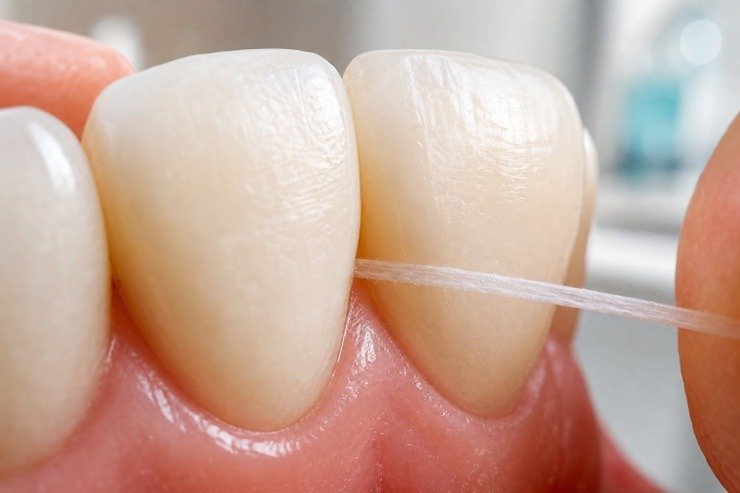
Toothbrush bristles clean the front, back, and chewing surfaces of teeth, but they cannot reliably reach narrow areas where teeth touch. Plaque is a soft bacterial film that can collect along the gumline and between teeth. When it remains, it can harden into tartar, which requires professional removal. Cleaning between teeth helps reach these missed surfaces and can support healthier gums alongside brushing.
How To Choose The Right Interdental Tool
“Flossing” is often used as a catchall term, but several tools can clean between teeth. The right option is the one that fits the spaces in a person’s mouth and can be used gently and consistently.
Match The Tool To The Need
- Tight tooth contacts: Thin floss or tape may pass through more easily.
- More open spaces: An appropriately sized interdental brush may contact more of the tooth surface.
- Braces, bridges, crowns, or implants: A dentist or orthodontist can recommend tools for cleaning around fixed dental work.
- Limited hand control: A handled option may be easier to guide than loose string floss.
- Sensitive gums: Use a gentle technique and avoid forcing any tool through a space.
- Difficulty using string floss: A water flosser or another interdental cleaner may feel more manageable for some people.
Comfort matters because it affects whether the habit lasts. Still, a tool should not be chosen solely for convenience, packaging, or appearance if it does not clean effectively for the individual’s dental needs.
Simple Steps For Better Cleaning
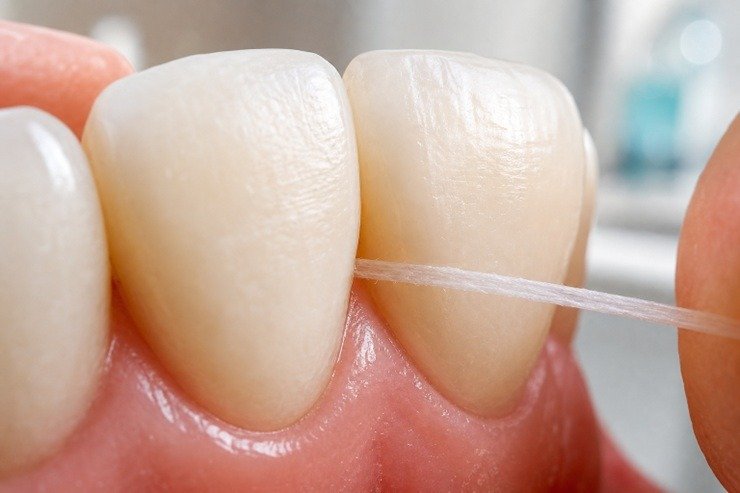
- Start with a clean section of floss or a fresh interdental tool.
- Guide it slowly between the teeth rather than snapping it into the gums.
- When using string floss, curve it around one tooth and move it gently near the gumline.
- Clean the neighboring tooth surface before moving to the next space.
- Use light pressure with interdental brushes and stop if a brush must be forced.
- Discard single-use items after use and clean reusable devices according to their instructions.
Technique matters as much as the tool. Rough movements can irritate gum tissue, while rushed cleaning can miss the very areas the routine is meant to reach.
Where Lower-Waste Choices Fit
Sustainability should complement oral health, not compete with it. Before replacing products, consider whether the current routine works, whether supplies are being used fully, how much packaging is involved, and whether refill or replacement-head options are genuinely practical. Buying several trendy alternatives at once often creates clutter and waste without improving the habit. Product footprints vary by material, design, packaging, transport, and disposal. In a life-cycle study of interdental cleaning aids, floss picks had the largest environmental footprint in 13 of 16 measured impact categories. That finding does not mean every person should stop using them. Clinical fit, affordability, and reliable daily use still matter, particularly when another tool is difficult to use correctly.
How To Handle Used Oral Care Items
Used floss, disposable picks, and worn interdental brushes generally belong in household trash unless local waste guidance specifically says otherwise. Do not flush floss or small oral care items, as they can contribute to plumbing blockages and pollution. Check local recycling instructions before placing bathroom packaging in recycling bins, and remember that compostable claims may depend on access to the right composting facility.
Common Mistakes To Avoid
- Using too much force near the gumline.
- Skipping hard-to-reach back teeth.
- Reusing frayed floss or items designed for one-time use.
- Replacing brushing with mouthwash or interdental cleaning.
- Choosing a product only because it seems environmentally friendly.
- Ignoring ongoing bleeding, swelling, soreness, bad breath, or sensitivity.
A Simple Routine Plan
- Morning: Brush carefully with fluoride toothpaste.
- During the day: Drink water regularly and reduce frequent sugary snacks or drinks when possible.
- Evening: Clean between teeth, then brush for about two minutes.
- Once a week: Check supplies, discard damaged tools, and review disposal instructions.
- At dental visits: Ask whether the current cleaning method suits tooth spacing and gum health.
When To Ask A Dentist For Help
Seek professional guidance if bleeding continues despite several days of gentle, regular cleaning, gums look swollen or tender, food repeatedly catches in one area, or a tool cannot pass through a space without force. Advice is also valuable for people with braces, implants, bridges, retainers, persistent pain, loose teeth, or unexplained bad breath. A dental professional can assess the mouth directly and recommend a tool that matches its structure.
Final Thoughts
A lower-waste oral care routine is built through small, workable decisions that support both personal hygiene and responsible consumption. Clean thoroughly; use a toothbrush, toothpaste, floss, or other tool that fits your needs; avoid unnecessary purchases; and follow recommended replacement schedules rather than replacing products simply because a newer option is available. Dispose of used items responsibly in accordance with local waste guidelines, and consider packaging and product longevity when choosing among options. It can also help to keep only the supplies you regularly use, reducing clutter and the likelihood that unused products will be discarded. Most importantly, do not sacrifice effective oral care to reduce waste. Ask a dentist or other qualified dental professional for guidance when something does not feel right or when you are unsure which products are appropriate. The best routine is one that protects oral health, limits avoidable waste, and remains realistic enough to continue every day.











How to Build an Investment Plan That Can Handle Market Swings

How Coastal Storms Overwhelm Residential Pipes During Drain Cleaning in Miami

How Skin Renewal Microneedling at Anne Therese Transforms Dull Skin

Natural Remedies Are Shaping the Next Generation of Mindful Lifestyles

What Visitors Should Know About Miami Roads, Rental Cars and Road Accidents

5 Signs You’re Not Just Busy, You’re Overwhelmed

How Hiring Emergency Water Damage Restoration Service Prevents Structural Rot

Planning a Lahore Heritage Break with Time to Explore

How Small Businesses Can Make Cross-Border Payments Faster, Clearer, and More Reliable

How Tampa Businesses Can Choose a Commercial Location

100 Motivational Quotes to Inspire You in 2026

How to Create a Vision Board That Actually Works (2026)

22 Best Self-Help Books to Read in 2026

How to Achieve Personal Growth in 2026

New Year Wishes and Quotes to Inspire and Celebrate (2026)

Loeb Smith reviews: Why Crypto Licensing Demands Patience, Structure, and Skepticism

How to Leverage Personal Development for Career Advancement

Top Fitness Coach Certification Programs for Aspiring Trainers

From Denver to Vail: Secrets, Snow, and Soul of the Rockies

How to Choose the Best Manali Tour Package for a Family-Friendly Vacation?
-

 Motivation6 years ago
4 Fun New Hobbies To Try This Year
-

 Quotes4 years ago
53 Motivational Gym Quotes to Fuel Gym Workout
-

 Quotes11 years ago
50 Most Powerful Quotes Ever Spoken
-

 Travel2 years ago
Why You Should Travel More: The Many Benefits of Seeing the World
-
 Quotes10 months ago
100 Motivational Quotes to Inspire You in 2026
-

 Quotes3 years ago
43 Inspirational Quotes About Thoughts
-

 Quotes4 years ago
Motivational Quotes by Famous People
-

 Quotes1 year ago
100 Motivational Quotes to Start Your Day with Positivity