
Education
7 Ways Educational Institutions Can Improve Their Learning Spaces

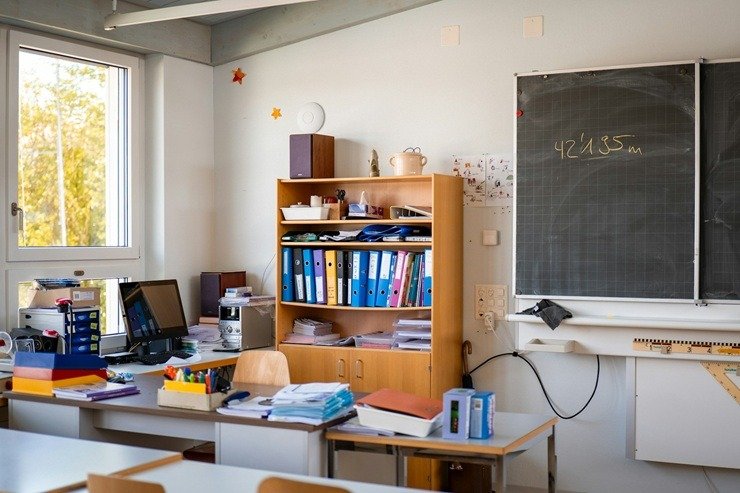
Photo by Unsplash
Learning spaces play an important role in how students engage, understand ideas, and collaborate with one another. A well-designed educational environment can encourage creativity, bolster concentration, and foster a positive atmosphere for students and teachers.
As teaching methods continue to evolve, educational institutions must look beyond traditional classroom arrangements. They must consider how their spaces can better support modern learning needs. Keep reading to discover how institutions can better improve their spaces.
Upgrading Infrastructure
By modernizing their physical and digital infrastructure, educational institutions can significantly boost academic performance, student focus, and health. Certain improvements create supportive environments where students can concentrate, participate actively, and benefit from the teaching and learning experience, including:
- Renovating classrooms
- Improving ventilation
- Installing reliable internet
- Upgrading electrical systems
- Providing accessible facilities
Creating Flexible and Active Zones
Another strategy educational institutions can use to improve learning is replacing rigid, traditional classrooms with active learning spaces. This way, institutions can accommodate different teaching methods and student activities. Classrooms can comprise collaborative areas, quiet corners, and spaces for group discussions. These layouts help by encouraging:
- Movement
- Creativity
- Teamwork
- Independent learning
Integrating Smart Technology
Simply integrating smart technologies such as interactive displays, high-speed wireless networks, and learning management systems helps make education more interactive. These tools support online teaching when required.
They also support collaboration, personalized learning, and efficient classroom management. They help educators deliver lessons effectively while giving students access to educational resources.
Enhancing Lighting
Institutions should consider combining optimized natural daylighting with high-efficiency LED artificial lighting systems. Improved lighting can significantly improve the comfort, visibility, and functionality of learning spaces. Adjustable lighting also accommodates various activities, reduces eye strain, and creates a welcoming environment. Essentially, students can focus better in well-lit classrooms.
Installing Efficient Storage Systems
Educational institutions can keep their facilities and learning spaces organized, accessible, and clutter-free by using efficient storage systems. For instance, schools can provide shelves, cabinets, and mobile storage solutions for books, teaching materials, and students’ belongings.
Institutions can choose from a selection of new and used lockers when buying storage systems. Properly planned storage maximizes available space, improves safety, reduces distractions, and makes it easier for teachers and students to access their items.
Regulating the Temperatures
Regulated temperatures mean more comfortable and conducive learning spaces. Institutions can install efficient heating, ventilation, and air-conditioning systems and use thermostats and sensors to maintain stable conditions. Proper temperature control also improves air circulation, reduces discomfort, and supports the well-being of students and teachers, allowing everyone to focus.
Maintaining Good Air Quality
By upgrading ventilation systems, performing routine air quality testing, and adopting green maintenance practices, institutions can improve learning environments. They can improve air quality by regularly servicing air-conditioning systems and using air purifiers where appropriate.
Keeping classrooms clean and well-ventilated helps minimize unpleasant odors, excess humidity, and airborne contaminants. This means that students and teachers will be able to breathe comfortably and concentrate better.
Endnote
To improve learning outcomes, educational institutions must enhance their spaces. Achieving this involves upgrading infrastructure, creating flexible areas, and leveraging smart technology. Institutions must also use efficient storage, regulate temperatures, improve lighting, and maintain good air quality within their learning spaces.













How to Build an Investment Plan That Can Handle Market Swings

How Coastal Storms Overwhelm Residential Pipes During Drain Cleaning in Miami

How Skin Renewal Microneedling at Anne Therese Transforms Dull Skin

Natural Remedies Are Shaping the Next Generation of Mindful Lifestyles

What Visitors Should Know About Miami Roads, Rental Cars and Road Accidents

5 Signs You’re Not Just Busy, You’re Overwhelmed

How Hiring Emergency Water Damage Restoration Service Prevents Structural Rot

Planning a Lahore Heritage Break with Time to Explore

How Small Businesses Can Make Cross-Border Payments Faster, Clearer, and More Reliable

How Tampa Businesses Can Choose a Commercial Location

100 Motivational Quotes to Inspire You in 2026

How to Create a Vision Board That Actually Works (2026)

22 Best Self-Help Books to Read in 2026

How to Achieve Personal Growth in 2026

New Year Wishes and Quotes to Inspire and Celebrate (2026)

Loeb Smith reviews: Why Crypto Licensing Demands Patience, Structure, and Skepticism

How to Leverage Personal Development for Career Advancement

Top Fitness Coach Certification Programs for Aspiring Trainers

From Denver to Vail: Secrets, Snow, and Soul of the Rockies

How to Choose the Best Manali Tour Package for a Family-Friendly Vacation?
-

 Motivation6 years ago
4 Fun New Hobbies To Try This Year
-

 Quotes4 years ago
53 Motivational Gym Quotes to Fuel Gym Workout
-

 Quotes11 years ago
50 Most Powerful Quotes Ever Spoken
-

 Travel2 years ago
Why You Should Travel More: The Many Benefits of Seeing the World
-
 Quotes10 months ago
100 Motivational Quotes to Inspire You in 2026
-

 Quotes3 years ago
43 Inspirational Quotes About Thoughts
-

 Quotes4 years ago
Motivational Quotes by Famous People
-

 Quotes1 year ago
100 Motivational Quotes to Start Your Day with Positivity