
Health
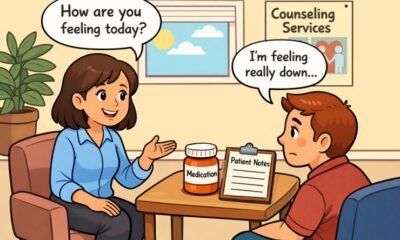
Why Baltimore First Responders Choose EMDR Therapy Baltimore for Operational Stress Injuries


After witnessing a fatal accident in the city, a Baltimore firefighter struggles to sleep, haunted by recurring images and anxiety that refuse to subside. Police officers, paramedics, and emergency crews in Baltimore frequently face similar situations—exposure to violence, trauma, and high-stakes emergencies on a daily basis. Over time, these experiences can accumulate into what’s known as operational stress injuries: psychological wounds that impact job performance, personal relationships, and quality of life. Many first responders in Baltimore have turned to EMDR therapy, a specialized trauma treatment, because it addresses the root causes of these invisible injuries without requiring them to relive traumatic events repeatedly. The choice of EMDR therapy reflects a growing recognition that operational stress demands targeted, effective support tailored to the real pressures of public safety work.
Unique Operational Stress Challenges Faced By Baltimore First Responders
Baltimore’s first responders operate in environments marked by unpredictable emergencies, high crime rates in certain areas, and the ever-present possibility of critical incidents. These professionals often encounter traumatic scenes—serious injuries, loss of life, and situations involving children—which can leave a lasting psychological impact. Unlike general workplace stress, these operational stress injuries stem from repeated exposure to trauma while performing essential public safety roles.
One concrete example is the cumulative effect of responding to multiple shootings or severe accidents over a short period. Each event may seem manageable in isolation, but the emotional toll builds up, leading to symptoms like nightmares, irritability, and withdrawal from loved ones. The demands of shift work and mandatory overtime further amplify these effects, making traditional coping strategies insufficient. For many, the result is a cycle of exhaustion and heightened anxiety that erodes both personal well-being and professional effectiveness.
Addressing these unique challenges requires a therapy model that recognizes the specific nature of operational stress injuries. Reviewing the definition of operational stress injuries in public safety occupations provides insight into why generic counseling approaches may fall short for Baltimore’s police, firefighters, and EMTs.
How Trauma Processing Works Through EMDR Therapy Baltimore Programs
EMDR therapy, or Eye Movement Desensitization and Reprocessing, is a structured approach designed to help people process traumatic memories without the need to describe the event in detail. In EMDR Therapy Baltimore for first responders, the process typically involves identifying distressing memories, then using guided eye movements or other forms of bilateral stimulation as clients focus on specific thoughts or feelings. This technique allows the brain to reprocess the memory so that it loses its emotional charge and becomes less disruptive in daily life.
The Baltimore approach to EMDR therapy tailors sessions to fit the demands of first responders. Schedules accommodate shift work, and therapists understand the culture of emergency services, ensuring that responders feel safe and understood. This trauma processing method is not just about symptom reduction—it helps first responders regain a sense of control and confidence both on and off the job.
When searching for accessible and specialized trauma care, many choose EMDR Therapy Baltimore, which offers a program specifically attuned to the operational realities faced by local police, fire, and medical personnel. This resource provides a confidential setting where responders can address trauma without stigma or fear of professional repercussions.
Rapid Relief For Police And Firefighters Experiencing PTSD Symptoms
One of the reasons EMDR Therapy Baltimore for first responders is so widely adopted is its reputation for providing relatively rapid relief from symptoms of post-traumatic stress disorder, or PTSD. Traditional talk therapy can require months or years of discussion about traumatic events, which many first responders find daunting and emotionally exhausting. EMDR, in contrast, allows clients to process trauma in a way that does not require explicit retelling, making it particularly appealing to those who are hesitant to revisit painful memories in detail.
Officers and firefighters often report that after just a few sessions of EMDR, they experience a significant reduction in flashbacks, intrusive thoughts, and hypervigilance—the feeling of being constantly on edge. This quicker route to symptom relief means that first responders can return to work, family life, and social activities with greater emotional stability and focus. The approach is also adaptable; therapists can address multiple traumatic incidents in a series of sessions, which is important for those exposed to recurring trauma on the job.
Understanding the differences between EMDR and traditional trauma therapies can help first responders decide which method best meets their needs, especially when symptom relief is a priority for ongoing job performance.
Restoring Career Longevity And Mental Wellness In Public Safety
Operational stress injuries do not just threaten immediate mental health—they can shorten the careers of those who serve the public. Chronic exposure to traumatic events, if left unaddressed, often leads to burnout, early retirement, or even disciplinary issues stemming from unmanaged symptoms. EMDR Therapy Baltimore for first responders is increasingly chosen because it supports the long-term mental wellness necessary for a sustainable career in public safety.
By addressing traumatic memories at their source, EMDR therapy enables police, firefighters, and EMTs to regain confidence and emotional resilience. This restoration goes beyond symptom management. It empowers first responders to stay effective in their roles, maintain healthy relationships, and avoid the cycle of cumulative stress that drives many out of the profession prematurely.
Departments and unions in Baltimore are encouraging members to access trauma-specific services to promote healthier, longer careers. The investment in mental wellness is viewed as both a duty of care and a practical necessity for maintaining a strong, reliable public safety workforce.
Conclusion
First responders in Baltimore who are struggling with operational stress injuries should seek trauma support that understands the realities of emergency service work. Evaluating options for specialized trauma therapies—such as EMDR—can be the first step toward lasting recovery, improved job performance, and a healthier professional future.












Why Baltimore First Responders Choose EMDR Therapy Baltimore for Operational Stress Injuries

Feeding for Recovery: What Helps Horses Bounce Back After Hard Work

Why Local Businesses in Houston Utilize Storage Units Houston Tx for B2B Operations

Think Outside the Brief: How Taking Creative Risks Can Help a Brand Stand Out

How Securing Long Island Event Rentals Prevents Last-Minute Weather Delays

What Happens When You’re Injured During a Guided Tour?

Westchester Airport Car Rental (HPN): Guide, Tips, Pricing

Why Travellers Are Falling in Love with Europe’s Smaller Cultural Destinations

Building Emotional Resilience Helps Individuals Overcome Sudden Traumatic Setbacks

How to Control AI Claims Automation Costs as Review Volumes and Exceptions Grow

100 Motivational Quotes to Inspire You in 2026

How to Create a Vision Board That Actually Works (2026)

22 Best Self-Help Books to Read in 2026

How to Achieve Personal Growth in 2026

New Year Wishes and Quotes to Inspire and Celebrate (2026)

Loeb Smith reviews: Why Crypto Licensing Demands Patience, Structure, and Skepticism

From Denver to Vail: Secrets, Snow, and Soul of the Rockies

How to Choose the Best Manali Tour Package for a Family-Friendly Vacation?

Your Guide to Building the Life You Want as a Medical Professional

Romantic Cabins In Tennessee: A Guide to Location, Privacy, And Scenic Views
-

 Motivation6 years ago
4 Fun New Hobbies To Try This Year
-

 Quotes4 years ago
53 Motivational Gym Quotes to Fuel Gym Workout
-

 Quotes11 years ago
50 Most Powerful Quotes Ever Spoken
-

 Travel2 years ago
Why You Should Travel More: The Many Benefits of Seeing the World
-
 Quotes10 months ago
100 Motivational Quotes to Inspire You in 2026
-

 Quotes3 years ago
43 Inspirational Quotes About Thoughts
-

 Quotes4 years ago
Motivational Quotes by Famous People
-

 Quotes1 year ago
100 Motivational Quotes to Start Your Day with Positivity