
Business
Rising Warehouse Lease Rates Are Forcing Operators to Rethink High-Density Storage Budgets

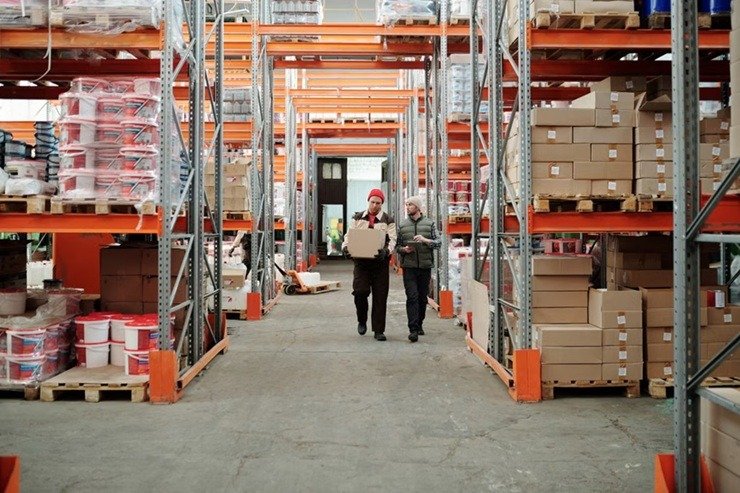
Expanding your warehouse square footage has become cost-prohibitive for many distribution and manufacturing teams. Rising lease rates squeeze your operating margins and make moving into a bigger building a risky financial bet.
You can solve this space crunch without signing a massive new lease. Reclaiming your unused vertical air space turns an existing facility into a high-density powerhouse while keeping your capital budget under control.
Why Does Warehouse Expansion Cost So Much Right Now?
Leasing additional industrial space involves far more than just a higher monthly rent check. You face steep moving expenses, higher utility bills, and the disruption of relocating your entire inventory.
Many operations leaders are shifting their budgets away from real estate and toward smarter internal infrastructure. According to the 2026 MHI Annual Industry Report, 56% of supply chain executives are boosting their technology spending, and 52% plan to invest more than $1 million in innovation.
Putting your capital into automated storage lets you grow right where you stand. You avoid long-term real estate commitments and immediately lower your cost per stored item.
How Do You Compare Floor-Space ROI Against Equipment Costs?
Calculating your return on investment starts with measuring the exact value of every square foot in your building. Static shelving wastes huge amounts of overhead space and forces your workers to walk miles every shift.
You can repurpose that newly cleared floor area for packing stations, assembly lines, or extra revenue-generating work. Switching to a vertical lift module allows you to reclaim up to 90% of your current floor space while speeding up order picking. Comparing these real estate savings against equipment pricing benchmarks shows how quickly the machine pays for itself.
Most facility managers see a full payback within 18 to 36 months of installation. Your exact timeline depends on your local lease rates and how much labor time your team saves each day.
What Drives the Price of Automated Storage Systems?
Equipment quotes vary widely because manufacturers build these machines to fit your specific building and inventory. Understanding the main pricing variables helps you avoid paying for features your operation does not need.
- Unit height: Taller machines maximize your ceiling clearance and store more trays, though they require heavier structural engineering.
- Tray capacity: Heavy-duty trays built for dense industrial parts cost more than standard trays designed for lightweight goods.
- Software integration: Connecting the machine to your existing warehouse management system adds upfront setup fees.
How Does Tray Capacity Impact Your Daily Workflow?
Choosing the right tray weight rating protects your machine from premature wear and tear. Standard trays often hold between 500 and 1,100 pounds, while heavy-duty models handle loads up to 2,200 pounds.
Overbuying capacity wastes your capital budget on steel and motors you will never use. Underbuying creates a dangerous bottleneck that forces your staff to leave heavy parts on manual pallet racks.
Audit your heaviest and fastest-moving SKUs before locking in your tray dimensions. Matching your tray specs to your actual inventory velocity keeps your operators working smoothly and safely.
Why Does Software Integration Matter for Your Budget?
Basic standalone software works fine for small teams managing a few hundred parts. You can run simple pick lists right from the machine’s built-in touchscreen without any complex IT work.
Larger distribution centers usually need full integration with an enterprise resource planning or warehouse management platform. This connection syncs your inventory counts in real time and eliminates manual data entry errors.
Factor these software licenses and IT support hours into your initial budget proposal. Planning for integration early prevents surprise invoices right before your go-live date.
Should You Buy New Equipment Starting at $85,000?
Buying brand-new automation typically starts at a baseline of $85,000 and scales up based on height and accessories. A new machine gives you custom sizing tailored to your exact ceiling height and workflow needs.
You get a full manufacturer warranty, the latest safety sensors, and modern energy-efficient drive motors. New units work well when you plan to run multiple shifts per day for the next 15 to 20 years.
The main trade-off is a longer manufacturing lead time and a higher upfront capital outlay. If your expansion timeline is flexible and your budget allows it, new equipment delivers maximum long-term reliability.
When Do Refurbished Units at $50,000 Make More Sense?
Refurbished machines generally start around a $50,000 baseline, offering a steep discount compared to factory-new models. Reputable dealers inspect these units, replace worn belts or sensors, and update the control boards before delivery.
You get much faster delivery and installation times because the equipment already sits in a dealer’s warehouse. This route works great when you need to solve a space crisis quickly without draining your cash reserves.
Keep in mind that refurbished units come with fixed dimensions and shorter warranty periods. Inspect the service history carefully and verify that replacement parts remain easy to source for that specific model.
Reclaiming up to 90% of your warehouse floor space is completely achievable without blowing your annual capital budget. When you match your machine height, tray capacity, and condition tier to your true SKU velocity, you get the exact performance your team needs.
Take a close look at your current lease costs and map out your unused vertical air space this week. Making a smart investment in high-density storage today protects your margins and keeps your facility competitive for years to come.





Rising Warehouse Lease Rates Are Forcing Operators to Rethink High-Density Storage Budgets

Starting Fresh in Lafayette, LA: A Practical Checklist for New Residents

Lab Grown Diamond Jewellery for Weddings: Why Smart Brides Are Making the Ethical Switch

Concrete vs Exposed Aggregate vs Natural Stone: Comparing Pool Paver Materials

Why Universities Need a More Strategic Approach to Attracting Students

Planning Regular Investments with an SIP Calculator and Annual Contribution Increases

How to Create a More Balanced Lifestyle in a Busy World

How Commercial Architecture Services Improve Everyday Workflow

How Does TATA AIG Help You Choose the Right IDV for Your Bike?

Choosing S3-Compatible Cloud Storage in Poland: Security, Scalability and Flexibility

100 Motivational Quotes to Inspire You in 2026

How to Create a Vision Board That Actually Works (2026)

22 Best Self-Help Books to Read in 2026

How to Achieve Personal Growth in 2026

New Year Wishes and Quotes to Inspire and Celebrate (2026)

Loeb Smith reviews: Why Crypto Licensing Demands Patience, Structure, and Skepticism

AI SEO Tools Every Website Owner Should Know

Redefining Success in a World Obsessed With Hustle

Stand Out This Holiday! Top 10 Unique Christmas Gifts for 2025

Essential Tips for Planning Your Next Road Trip Adventure
-

 Motivation6 years ago
4 Fun New Hobbies To Try This Year
-

 Quotes4 years ago
53 Motivational Gym Quotes to Fuel Gym Workout
-

 Quotes11 years ago
50 Most Powerful Quotes Ever Spoken
-

 Travel2 years ago
Why You Should Travel More: The Many Benefits of Seeing the World
-
 Quotes11 months ago
100 Motivational Quotes to Inspire You in 2026
-

 Quotes4 years ago
Motivational Quotes by Famous People
-

 Quotes3 years ago
43 Inspirational Quotes About Thoughts
-

 Quotes1 year ago
100 Motivational Quotes to Start Your Day with Positivity