
Lifestyle
Concrete vs Exposed Aggregate vs Natural Stone: Comparing Pool Paver Materials

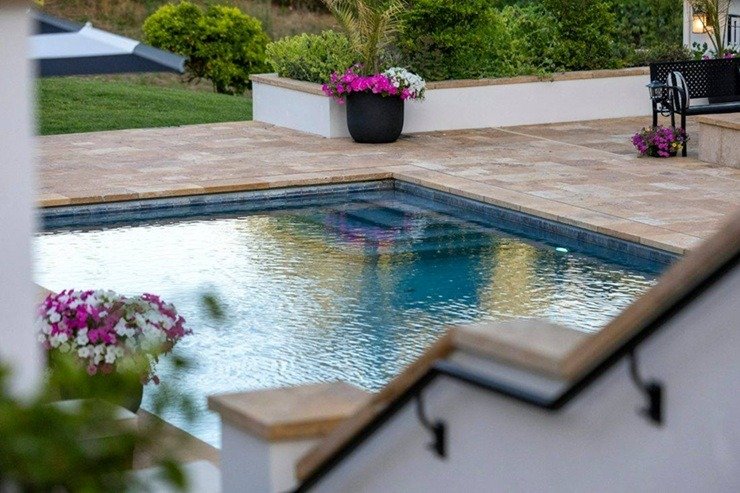
Photo by Leo_Visions on Unsplash
A pool surround works harder than any other paving on your property. It gets splashed constantly, walked on barefoot by wet, distracted people, baked in full sun and exposed to chlorine or salt. A paver that’s perfect for a front path can be the wrong choice here.
Concrete, exposed aggregate and natural stone are the three most common pool paver materials. Each has real strengths and real weaknesses, so it’s worth comparing them on the things that matter around water.
The Five Things a Pool Paver Has to Do
Before comparing materials, it helps to be clear about the job. A good pool paver has to grip when wet, because slips around pools are common and can be serious. It has to stay comfortable on bare feet, which means not too rough and not too hot. It needs to stand up to pool chemicals and salt, hold its colour under strong UV, and be practical to clean.
For slip resistance, Australia has a benchmark. The Standards Australia handbook SA HB 198 recommends a minimum P4 wet pendulum rating, or a B rating on the wet barefoot ramp test, for swimming pool surrounds. For ramps and stairs leading into the water, it recommends P5 or C. Those figures come from public pool settings, but they’re a sensible guide for home pools too.
Concrete Pavers: Practical and Affordable
Plain concrete pavers are the most budget-friendly option and come in the widest range of sizes and colours. They’re consistent, quick to lay and easy to replace if one is damaged.
Their weak point around pools is grip. Smooth-faced concrete pavers can be less slip-resistant when wet than textured finishes, so check the P rating for the specific product before buying. Sealing is also recommended, since it helps protect against pool chemicals, UV and staining. Choose a sealer that doesn’t reduce slip resistance, as some glossy film sealers make wet surfaces noticeably slipperier.
Colour choice matters more than usual here. Light colours like silver, cream and pale grey stay much cooler under bare feet than charcoal or dark grey.
Exposed Aggregate: Grip Where It Counts
Exposed aggregate pavers have the surface cement paste removed to reveal the stones within. The result is a textured face with natural, lasting grip, which is exactly what a pool surround needs.
Finish makes a real difference. Traditional washed exposed aggregate can feel harsh on bare feet. Shotblasted finishes, where steel shot strips the surface evenly, give a smoother, more consistent texture that still grips well when wet. For many families, that combination of safety and comfort makes shotblasted exposed aggregate the most practical pool paver.
It also hides dirt, leaves and water marks well, and the speckled stones come in tones from warm amber and ivory to charcoal and silver-grey. Sealing is optional. If you do seal, use a penetrating sealer so the texture isn’t filled in.
Natural Stone: Luxury With Care
Travertine, limestone, sandstone and granite all bring a high-end, natural look. Each piece is unique, and many stones stay relatively cool in the sun.
The challenges are cost, porosity and finish. Softer stones such as limestone, travertine and sandstone absorb water. In salt pools, salt can crystallise inside the stone as water evaporates, and over time that can cause surface flaking. Regular sealing with a suitable penetrating sealer is essential. Granite is denser and more resistant, but usually more expensive.
Finish is critical. Honed or polished stone can be dangerously slippery when wet and generally shouldn’t be used around pools. Look for tumbled, sandblasted, flamed or textured finishes, and ask for the slip rating.
Comparing Them Side by Side
On grip, shotblasted exposed aggregate and textured natural stone lead, with plain concrete varying by product. On comfort, shotblasted exposed aggregate, tumbled stone and light-coloured concrete are all good. On chemical and salt resistance, dense concrete and granite perform well, while softer stones need diligent sealing. On cost, concrete is usually the most affordable, exposed aggregate pavers sit in the middle, and natural stone is typically the most expensive. On maintenance, exposed aggregate is the easiest, concrete needs occasional resealing, and porous stones need the most care.
Don’t Forget the Coping
The pool edge itself, the coping, takes the most splash and the most barefoot traffic. Bullnose coping, with a rounded edge, is safer and more comfortable to sit on. It should match or complement the surrounding pavers, and it should meet the same slip resistance standard.
Which Should You Choose?
For most family pools, shotblasted exposed aggregate in a light or mid tone gives the best balance of grip, comfort and low upkeep. Light-coloured concrete pavers are a solid budget option if you check the slip rating and seal properly. Natural stone suits luxury designs, as long as you choose a textured finish and commit to regular sealing.
Whichever you go for, ask for test results, look at samples wet and dry, and choose pool pavers designed specifically for wet, barefoot areas. Your feet, and your guests, will notice the difference every summer.










Concrete vs Exposed Aggregate vs Natural Stone: Comparing Pool Paver Materials

Why Universities Need a More Strategic Approach to Attracting Students

Planning Regular Investments with an SIP Calculator and Annual Contribution Increases

How to Create a More Balanced Lifestyle in a Busy World

How Commercial Architecture Services Improve Everyday Workflow

How Does TATA AIG Help You Choose the Right IDV for Your Bike?

Choosing S3-Compatible Cloud Storage in Poland: Security, Scalability and Flexibility

Electric Dirt Bikes and Motorcycles: What Adults Should Know Before Buying

5 Daily-Life Tips for Getting Around in a CAM Walker Boot

Thoughtful Homeowners Are Choosing Certified Solid Wood for Renovations that Last

100 Motivational Quotes to Inspire You in 2026

How to Create a Vision Board That Actually Works (2026)

22 Best Self-Help Books to Read in 2026

How to Achieve Personal Growth in 2026

New Year Wishes and Quotes to Inspire and Celebrate (2026)

Loeb Smith reviews: Why Crypto Licensing Demands Patience, Structure, and Skepticism

Your Guide to Building the Life You Want as a Medical Professional

AI SEO Tools Every Website Owner Should Know

Redefining Success in a World Obsessed With Hustle

Stand Out This Holiday! Top 10 Unique Christmas Gifts for 2025
-

 Motivation6 years ago
4 Fun New Hobbies To Try This Year
-

 Quotes4 years ago
53 Motivational Gym Quotes to Fuel Gym Workout
-

 Quotes11 years ago
50 Most Powerful Quotes Ever Spoken
-

 Travel2 years ago
Why You Should Travel More: The Many Benefits of Seeing the World
-
 Quotes11 months ago
100 Motivational Quotes to Inspire You in 2026
-

 Quotes4 years ago
Motivational Quotes by Famous People
-

 Quotes3 years ago
43 Inspirational Quotes About Thoughts
-

 Quotes1 year ago
100 Motivational Quotes to Start Your Day with Positivity