
Lifestyle
The Complete Guide to Effective Couch Cleaning

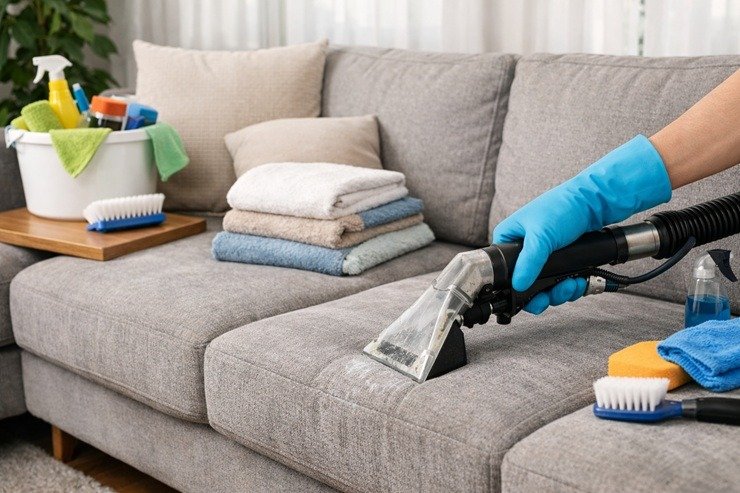
Couches are complicated. Not philosophically – materially. Different fabrics, different constructions, different contamination types, different appropriate treatments. What works brilliantly on one piece of furniture destroys another.
Most cleaning guides ignore this complexity. They offer universal advice that’s universally mediocre. This one doesn’t.
Start Here: Know What You’re Cleaning
Before touching your couch with any product or tool, identify what you’re working with. Everything else depends on this.
Find the manufacturer tag. It contains cleaning codes determining appropriate methods:
W – Water-based cleaners safe. Most versatile option. S – Solvent cleaners only. Water causes damage. WS – Either water or solvent works. X – Vacuum only. No liquids whatsoever.
Beyond cleaning codes, identify fiber content. Natural fibers – cotton, linen, wool, silk – behave completely differently than synthetics like polyester, nylon, or olefin. Blends complicate things further. Performance fabrics with proprietary treatments have their own requirements.
If tags are missing or unreadable, proceed with extreme caution. Test any product in completely hidden area – under cushion, inside back corner – before treating visible surfaces. Watch for color changes, texture alterations, or any negative reaction before proceeding.
Don’t skip this step. The cost of guessing wrong on expensive furniture far exceeds the two minutes this identification requires.
The Toolkit That Actually Works
Effective couch cleaning requires specific tools. Improvising with whatever’s available produces improvised results.
For vacuuming:
- Upholstery attachment with soft bristles
- Crevice tool for gaps and edges
- Small brush attachment for textured fabrics
- HEPA filtration to capture fine particles rather than recirculate them
For cleaning:
- White microfiber cloths (never colored – dye transfer risk)
- Natural bristle brush for working product into fibers
- Spray bottle for controlled product application
- Clean bucket for rinsing cloths
For drying:
- Fan positioned to accelerate air circulation
- Clean dry towels for blotting excess moisture
- Ideally a portable air mover if available
Products:
- Upholstery-specific cleaner matched to your fabric type
- Enzyme cleaner for biological stains
- Dry solvent for S-code fabrics
- Clean water for W-code rinsing
Notice what’s not on this list: dish soap, vinegar solutions, baking soda paste, random all-purpose sprays. These cause problems. More on that shortly.
The Sequence That Prevents Mistakes
Order matters in couch cleaning. Doing things out of sequence creates new problems while addressing old ones.
Step one: Dry soil removal
Before any moisture touches your couch, remove everything dry that can be removed. Vacuum thoroughly using upholstery attachment over all fabric surfaces. Use crevice tool in all gaps, along seams, between cushion edges. Remove cushions and vacuum underneath and behind them.
This matters because adding moisture to dry dirt creates muddy paste that embeds deeper. You’re removing what you can before chemistry gets involved.
Step two: Remove cushions and inspect
Take every removable cushion off the frame. Inspect each surface carefully in good lighting – preferably natural light near a window.
Identify different stain types because they require different treatments. Fresh versus set stains need different approaches. Biological contamination needs enzyme treatment. Oil-based stains need different chemistry than water-based ones.
Map what you’re dealing with before starting treatment. Random application of products to unidentified stains wastes product and sometimes makes things worse.
Step three: Pre-treat problem areas
Apply appropriate treatment to identified stains before general cleaning. Allow adequate dwell time – product chemistry needs time to work.
Enzyme cleaners for pet accidents, food residue, any organic matter. These products work by breaking down organic compounds at molecular level – rushing doesn’t work. Follow manufacturer directions for dwell time, typically 5-15 minutes minimum.
Solvent-based spot treatment for oil and grease stains. Water won’t move oil – it needs appropriate chemistry.
Step four: General fabric cleaning
Work section by section across the entire piece. Don’t try cleaning everything simultaneously – you lose track of what’s been treated and what hasn’t.
Apply product lightly and evenly. Over-wetting is the single most common cleaning mistake. You’re trying to clean the fabric surface and slightly penetrate the fiber structure – not soak foam padding.
Work product gently into fibers using soft brush or microfiber cloth with light pressure. Let chemistry do the work rather than mechanical force.
Step five: Extract and rinse
Remove product and dissolved contamination before it dries back into fabric. Blot with clean white microfiber, working from outside edge of cleaned area toward center. Replace cloths frequently – you’re transferring contamination to cloth, then continuing with contamination-soaked cloth defeats the purpose.
For W-code fabrics, light clean water rinse removes product residue that would otherwise attract dirt. Apply sparingly, extract thoroughly.
Step six: Dry properly
This step gets ignored constantly. Inadequate drying causes mold in foam that makes expensive furniture smell permanently musty and potentially damages it structurally.
Blot maximum moisture from fabric surface. Position fans to create air circulation across cleaned surfaces. In humid conditions or during cold weather when windows stay closed, extended drying time is necessary. Don’t replace cushions until you’re certain fabric and foam are completely dry – press firmly with dry cloth to check for remaining moisture.
Fabric-Specific Approaches
General sequence applies universally. Specific execution varies significantly by material.
Cotton and linen
These natural fibers absorb liquids readily and are prone to water spotting if moisture is applied unevenly. Clean with consistent coverage rather than spot treatment where possible – cleaning only the stained area leaves visible rings as edges dry differently than centers.
Use minimal moisture. Apply product evenly, extract promptly, dry quickly. Cotton and linen wrinkle easily when wet so avoid excessive mechanical agitation while damp.
Wool
Protein fiber that reacts badly to heat, aggressive agitation, and pH extremes. Use only neutral pH products specifically formulated for wool. Cool water only. Gentle technique without scrubbing.
Wool felts when agitated while wet – fibers mat together permanently changing texture. Handle cleaned wool upholstery carefully until completely dry.
Silk
Professional cleaning only. Attempting DIY on silk upholstery creates expensive regret. Water spots silk immediately and permanently. Heat damages it. Wrong products dissolve it. If you have silk upholstery, skip this guide and call professionals.
Polyester and synthetic blends
Most forgiving category. Tolerates water-based cleaning well. Resists water-based stains but absorbs oils – body oil accumulation over time creates yellowing that requires degreasing treatment.
Standard W-code approach works for most synthetic upholstery. Follow with thorough extraction and proper drying to prevent residue that attracts future contamination.
Microfiber
Rubbing alcohol works surprisingly well for many stains on microfiber – it dries quickly preventing over-wetting and effectively dissolves many substances that water-based cleaners struggle with. Apply with white cloth using blotting motion. Use in ventilated space and test first.
Avoid heat – high-temperature steam or hot water damages microfiber at fiber level. After cleaning, brush with soft-bristled brush to restore texture as microfiber can look matted when wet.
Velvet
Pile fabric that crushes easily and doesn’t always recover. Minimal moisture, immediate gentle blotting rather than any rubbing motion. Work with pile direction, never against it. After drying, use soft brush to restore pile direction gently.
Water spots velvet badly. When possible, steam from a distance – not direct contact steam cleaning – can help raise crushed pile without direct moisture contact.
Performance fabrics
Crypton, Sunbrella, and similar proprietary performance fabrics have specific cleaning instructions from manufacturers. These are generally forgiving and designed for cleanability. Follow manufacturer recommendations specifically – these companies have tested what works on their products.
The Products That Help vs. Harm
This matters more than most people realize.
Products that work:
Commercial upholstery cleaners formulated for specific fabric types. Enzyme cleaners for biological contamination. Dry-cleaning solvents for S-code fabrics. Hydrogen peroxide for certain stains on appropriate fabrics (test first – it can bleach some dyes). Rubbing alcohol for microfiber spot treatment.
Products that cause problems:
Dish soap leaves residue that attracts dirt, making furniture dirtier faster after initial cleaning. Vinegar is acidic and damages certain dyes, natural stone-derived materials, and some fabric treatments. Baking soda doesn’t fully dissolve and leaves residue deep in cushions nearly impossible to remove completely.
Generic all-purpose cleaners aren’t formulated for fabric and often contain ingredients appropriate for hard surfaces but problematic for textiles. They might seem to work initially while causing damage that appears gradually. For professional-grade cleaning methods and couch cleaning nyc services that tackle contamination consumer methods can’t reach, understanding the difference between adequate and excellent matters.
The mixing problem:
Never combine cleaning products without understanding their chemistry. Vinegar and hydrogen peroxide together create peracetic acid – more aggressive than either alone. Bleach with ammonia creates toxic gas. Baking soda neutralizes acid-based cleaners making both ineffective while creating residue.
Use one product at a time. Rinse between different products. Keep things simple.
Handling Specific Stain Types
Different stains require targeted approaches. Treating everything the same way guarantees inconsistent results.
Pet urine
Blot immediately to remove as much liquid as possible before it penetrates. Apply enzyme cleaner generously enough to reach the same depth urine penetrated – if it soaked into foam, enzyme treatment must reach foam. Allow extended dwell time – minimum 15-20 minutes. Extract thoroughly.
Old pet accidents require multiple enzyme treatments and may need professional intervention if contamination reached deep into cushion structure.
Red wine
Act immediately – fresh wine removes far more completely than set wine. Blot aggressively to remove as much liquid as possible. Apply enzyme cleaner or appropriate upholstery cleaner. Avoid hot water which can set protein components of wine.
Club soda helps dilute fresh wine when applied immediately – it’s not magic but creates effervescence that helps lift liquid before it penetrates.
Grease and oils
Water won’t move oil. Apply dry solvent or appropriate degreaser. Allow dwell time for chemistry to work. Extract carefully. Body oil accumulation – those darkened armrest and headrest areas – requires repeated treatment rather than single heavy application.
Baking soda applied dry and left for 15-30 minutes before vacuuming can absorb fresh grease before liquid treatment.
Coffee and tea
Tannin-based stains that set relatively quickly. Cold water treatment before anything else – hot water sets tannins. Enzyme cleaner addresses organic components. For set coffee stains, commercial tannin removers exist and work better than general cleaners.
Ink
Rubbing alcohol on appropriate fabrics. Apply with cotton ball, blotting repeatedly with fresh sections as ink transfers. Don’t rub – you’re trying to lift ink into cotton ball, not spread it across fabric.
Ink stains that have set for extended periods often require professional treatment.
The Regular Maintenance Schedule
Cleaning isn’t one event – it’s ongoing practice that prevents problems from requiring dramatic intervention.
Weekly: Vacuum all surfaces with upholstery attachment. Address any new spots or spills immediately before they set.
Monthly: Remove cushions and vacuum underneath and behind them. Check for developing issues – spots you missed, areas showing unusual wear or discoloration.
Quarterly: More thorough inspection in good lighting. Treat any spots that developed. Rotate and flip cushions where construction allows to distribute wear evenly.
Annually: Full cleaning following complete process above. Professional cleaning every 1-2 years depending on use level, household composition, and furniture value.
When the Guide Ends and Professional Help Begins
This guide covers what’s achievable with appropriate consumer methods. Some situations exceed those limits:
Silk upholstery always. Antique pieces with unknown construction or unstable dyes. Extensive pet damage with deep contamination. Mold growth that’s penetrated into cushions. Stains that have resisted multiple appropriate treatment attempts.
These situations need professional equipment, professional expertise, and professional accountability. Continued DIY attempts risk permanent damage that reduces furniture to replacement-only territory.
Knowing when to stop is as important as knowing how to proceed. The guide exists to help you do more effectively what’s within your capability – and to help you recognize when capability has its limits.
Effective couch cleaning is systematic, material-specific, and patient. It’s not complicated once you understand the principles. But those principles matter. Follow them and your furniture rewards you with extended life and maintained appearance. Ignore them and you’ll wonder why your cleaning efforts keep making things worse.
Now you know better. Clean accordingly.











Smart Financial Habits Every Globetrotting Entrepreneur Should Master

How Overcoming Physical Setbacks Fuels Unbreakable Mental Resilience

Improve Delivery Accuracy with Smarter Driver Navigation

Comprehensive Guide to Medication-Assisted Treatment (MAT) at SOAP MAT

How to Negotiate Better Car Loan Terms with Your Lender

The Sleep Challenges Nobody Warns You About Before ACL Surgery

Trading BTC During Geopolitical Tensions: Lessons from Iran Conflicts

Financial Blind Spots That Are Secretly Draining Your Startup Profits

Tips for Buying and Selling Luxury Homes

Safe and Effective Ways to Relieve Back Pain at Home

100 Motivational Quotes to Inspire You in 2026

100 Motivational Quotes to Start Your Day with Positivity

22 Best Self-Help Books to Read in 2026

How to Create a Vision Board That Actually Works (2026)

Changing Your Spending Habits

How to Achieve Personal Growth in 2026

New Year Wishes and Quotes to Inspire and Celebrate (2026)

Top 50 Motivational Quotes for Success and Hard Work

Do I Have to Pay a Debt That’s Very Old?

5 Excellent Reasons for a Healthcare Provider to Utilise the Services of a Nursing Agency
-

 Motivation5 years ago
4 Fun New Hobbies To Try This Year
-

 Quotes3 years ago
53 Motivational Gym Quotes to Fuel Your Workout
-

 Travel1 year ago
Why You Should Travel More: The Many Benefits of Seeing the World
-

 Quotes10 years ago
50 Most Powerful Quotes Ever Spoken
-
 Quotes3 months ago
100 Motivational Quotes to Inspire You in 2026
-

 Quotes2 years ago
43 Inspirational Quotes About Thoughts
-

 Quotes3 years ago
105 Motivational Quotes by Famous People
-
 Quotes9 months ago
100 Motivational Quotes to Start Your Day with Positivity