
Lifestyle
Wallpaper Removal Service Near You: What a Wallpaper Specialist Actually Does

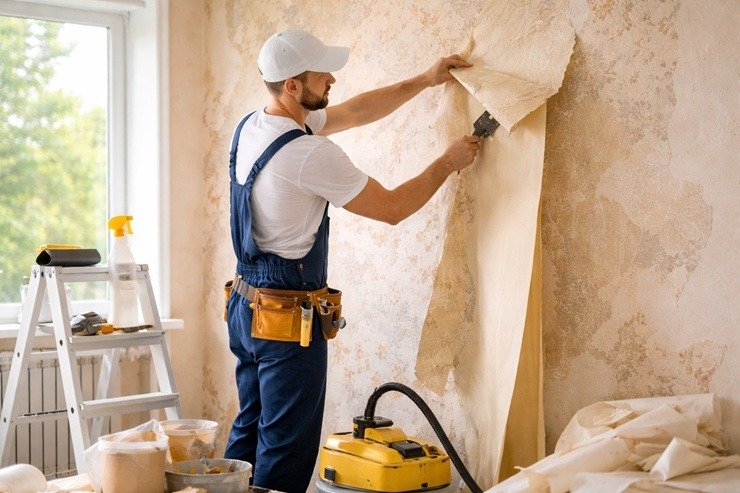
Wallpaper can look timeless, but removing it is rarely a quick peel-and-go. Some walls release cleanly, others fight back with stubborn paste, brittle paper, and surprise layers you didn’t know existed. That’s when a “simple weekend project” turns into a patch-and-paint marathon.
People usually start searching for a wallpaper removal service near you when they realize two things at once: the wall matters more than the wallpaper, and damage is expensive. A good specialist doesn’t just strip paper—they protect the surface so you can paint, re-wallpaper, or finish the room without starting from scratch.
This article explains what pros do differently, why removal and next-step installation planning belong in the same conversation, and how contractors get a wall truly ready for whatever comes next.
Wallpaper Removal & Installation Basics: What Pros Handle From Start to Finish
Professional removal starts with diagnosis. Not all wallpaper is built the same, and neither are the walls beneath it. A pro checks whether the paper is vinyl-coated, grasscloth, pre-pasted, or painted over, then looks for signs of primer, drywall mud quality, and previous repairs. The goal is to choose a method that lifts the wallpaper without pulling the wall apart with it.
Next comes controlled moisture and heat. The best crews don’t flood the wall or attack it with random tools. They work in sections, soften paste gradually, and keep edges clean so the drywall face paper stays intact. When done well, the room doesn’t feel like a demolition site. It feels like careful, steady progress.
Hiring a Wallpaper Installer After Removal: How to Avoid Costly Rework
Removal is not the finish line. It’s the foundation for your next finish, and that’s why smart homeowners think one step ahead. If you plan to re-wallpaper, your future installer will care about things you might not notice today—micro-tears, glue haze, uneven sheen, and small gouges that become obvious once new wallpaper goes on.
This is where coordination matters. Many wallpaper contractors can handle removal and installation in a single workflow, or at least prep the wall to meet an installer’s expectations. That continuity reduces guesswork, keeps timelines tighter, and helps you avoid paying twice for the same surface corrections.
Before you choose who does the job, it helps to know what separates careful work from rushed work. These are the questions that usually reveal whether you’re hiring a team that thinks like finish-trade pros:
- How will you test the wallpaper type and adhesive before starting full removal?
- What steps do you take to protect drywall and corners from tearing?
- How do you remove paste residue so paint or new wallpaper bonds correctly?
- Will you repair and prime the wall to an installation-ready standard?
Clear answers don’t guarantee perfection, but vague answers often predict repairs. A removal specialist who talks about surface condition, primer, and bonding is usually thinking beyond today’s mess and toward your final look.
Wallpapering Damage Risks: When DIY Removal Creates Bigger Problems
DIY can work in a small space with newer walls and modern peelable wallpaper. But older installs, painted-over seams, or heavy paste can change the game. The most common issue is drywall face paper tear, which leaves a fuzzy surface that drinks primer and shows texture through paint. Another frequent problem is gouging—one sharp scraper angle can carve a channel that catches light in the worst way.
There’s also a quieter problem: invisible residue. Even if the wall looks clean, leftover glue can cause paint to fisheye or new wallpaper to slide, lift, or fail at the seams. That’s why pros treat removal as a surface-prep job, not a ripping contest.
Wallpaper Contractors’ Process: Testing, Tools, and Clean Surface Prep
Good contractors don’t guess. They test a corner, watch how the top layer behaves, and check what’s underneath. If the wallpaper releases in sheets, they adjust. If it shreds, they switch strategy, often combining scoring, steaming, and gentle scraping with a pace that protects the wall.
Tools matter, but technique matters more. A pro uses the right blade for the moment, keeps pressure consistent, and avoids digging into drywall at transitions near trim, door casings, and windows. They also manage moisture so seams don’t swell and the substrate doesn’t soften too far.
Once the paper is off, the room still isn’t done. Contractors focus on the “clean wall” stage—removing glue haze, neutralizing residue, and creating a uniform surface that won’t surprise the next finish. This is the part homeowners rarely see in before-and-after photos, but it’s the part that makes the after photo possible.
Installation-Ready Finish: Smoothing, Priming, and Wall Repair Details
A wall can be bare and still be unready. Pros look for sheen differences, tiny pits, and raised paper fibers. They skim or spot-fill where needed, sand to a consistent feel, and then prime with the right product for the next step—paint or wallpaper. Primer choice is not random; it’s what controls adhesion and how the final surface reads in light.
If you’re planning wallpaper installation after removal, the finishing stage is where quality locks in. Seams behave better on a stable surface. Patterns align more predictably. Corners stay crisp because the substrate isn’t crumbling under pressure.
When you want a wall that’s genuinely ready, not just “good enough,” these finishing touches tend to matter most:
- Complete paste removal so there’s no slippery film under primer or wallpaper adhesive.
- Spot repairs that match the wall plane, not just quick filler in a hole.
- Proper priming that seals and stabilizes the surface for long-term bonding.
Done correctly, the wall feels consistent when you run your hand across it, and it looks consistent when light hits it from the side. That consistency is what prevents callbacks, bubbling, and frustration later.
Final Notes: When Wallpaper Hangers and Contractors Save You Time and Walls
Wallpaper removal is one of those projects where the cost isn’t just labor. The real cost shows up when the wall is damaged, the finish fails, or the next installer has to undo hidden problems. Skilled wallpaper hangers and contractors reduce that risk by treating removal, repair, and surface prep as one connected process.
If your goal is a clean slate for paint or a flawless new wallpapering job, prioritize the team that talks about wall condition, residue, and readiness—because that’s where the outcome is decided. You’ll feel the difference in the final room, not just during the cleanup.













Smart Financial Habits Every Globetrotting Entrepreneur Should Master

How Overcoming Physical Setbacks Fuels Unbreakable Mental Resilience

Improve Delivery Accuracy with Smarter Driver Navigation

Comprehensive Guide to Medication-Assisted Treatment (MAT) at SOAP MAT

How to Negotiate Better Car Loan Terms with Your Lender

The Sleep Challenges Nobody Warns You About Before ACL Surgery

Trading BTC During Geopolitical Tensions: Lessons from Iran Conflicts

Financial Blind Spots That Are Secretly Draining Your Startup Profits

Tips for Buying and Selling Luxury Homes

Safe and Effective Ways to Relieve Back Pain at Home

100 Motivational Quotes to Inspire You in 2026

100 Motivational Quotes to Start Your Day with Positivity

22 Best Self-Help Books to Read in 2026

How to Create a Vision Board That Actually Works (2026)

Changing Your Spending Habits

How to Achieve Personal Growth in 2026

New Year Wishes and Quotes to Inspire and Celebrate (2026)

Top 50 Motivational Quotes for Success and Hard Work

Do I Have to Pay a Debt That’s Very Old?

5 Excellent Reasons for a Healthcare Provider to Utilise the Services of a Nursing Agency
-

 Motivation5 years ago
4 Fun New Hobbies To Try This Year
-

 Quotes3 years ago
53 Motivational Gym Quotes to Fuel Your Workout
-

 Travel1 year ago
Why You Should Travel More: The Many Benefits of Seeing the World
-

 Quotes10 years ago
50 Most Powerful Quotes Ever Spoken
-
 Quotes3 months ago
100 Motivational Quotes to Inspire You in 2026
-

 Quotes2 years ago
43 Inspirational Quotes About Thoughts
-

 Quotes3 years ago
105 Motivational Quotes by Famous People
-
 Quotes9 months ago
100 Motivational Quotes to Start Your Day with Positivity