
Lifestyle
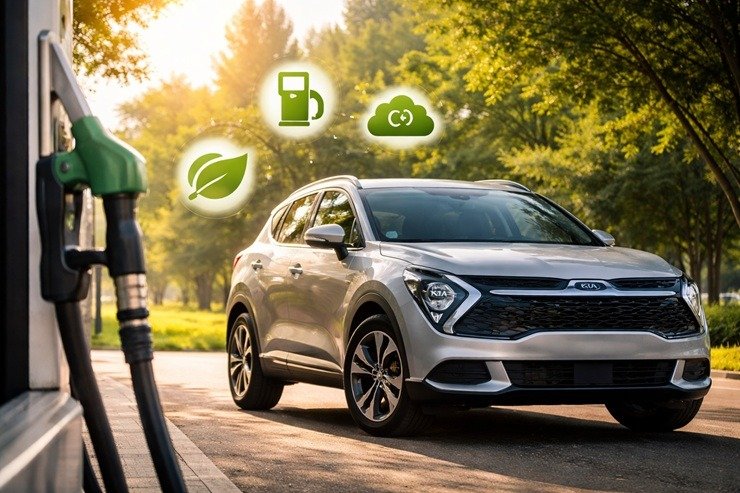
Benefits of Fuel-Efficient Vehicles for Everyday Drivers

Key Takeaways
- Fuel-efficient vehicles dramatically reduce long-term fuel costs for drivers.
- They help lessen the environmental impact of daily travel by lowering emissions.
- Fewer fuel stops and improved technology make driving more convenient.
- Reduced fuel consumption supports efforts toward energy independence.
- Ownership may be more affordable through various government incentives and rebates.
Adopting a fuel-efficient vehicle offers more than just trimming your fuel budget. It provides a blend of long-term financial advantages, environmental responsibility, and practical daily conveniences for all types of drivers. Whether you’re looking to reduce costs, make a positive impact on the environment, or simply streamline your driving routine, exploring options like a Kia dealership in Lancaster, PA can open the door to a variety of fuel-efficient models suited for modern lifestyles.
Choosing such vehicles is not just about immediate benefits at the gas pump. Drivers also gain access to government incentives, contribute to national energy independence, and help lower overall carbon emissions. In this article, we explore how fuel-efficient vehicles benefit your wallet and the world around you, and why more drivers are making the switch each year.
Cost Savings on Fuel
The primary reason many drivers gravitate toward fuel-efficient vehicles is the immediate and ongoing reduction in fuel expenses. When you upgrade from an average car of 20 mpg to a newer model offering 40 mpg or more, your annual fuel costs can be cut nearly in half. For commuters and frequent travelers, this means hundreds of dollars in savings every year. According to the U.S. Department of Energy, sensible driving habits can further multiply these savings, reducing overall fuel use by up to 30%, especially in demanding traffic conditions.
Beyond personal savings, these improvements collectively yield significant reductions in national fuel consumption costs, especially as more Americans adopt efficient vehicles and driving techniques.
Positive Environmental Impact
Fuel-efficient vehicles play a vital role in mitigating climate change by reducing greenhouse gas emissions. Every improvement in miles per gallon means fewer carbon compounds are emitted per trip, helping to combat the deleterious effects of air pollution. Even without shifting entirely to electric vehicles, drivers can greatly lessen their carbon footprint by simply choosing models with better fuel economy. According to the Environmental Protection Agency, upgrading to a fuel-efficient car is among the most impactful actions an individual can take to help the environment.
Enhanced Driving Convenience
Less frequent stops at the gas station are a major lifestyle upgrade for most drivers. Not only does it minimize interruptions on busy days or during long road trips, but it also means less wear on your wallet and more time for what matters. Fuel-efficient cars also tend to feature the latest automotive technologies, from regenerative braking to intuitive fuel monitoring systems and seamless connectivity, further enhancing the overall driving experience.
High fuel efficiency is especially advantageous in urban settings, where stop-and-go traffic can otherwise drive up fuel costs. It’s a smart solution for city dwellers, commuters, and families alike.
Support for Energy Independence
Fuel-efficient vehicles are an essential component in the quest for national energy independence. Reducing our collective reliance on imported oil not only strengthens economic stability but also enhances national security. When more drivers opt for efficient vehicles, local demand for foreign energy resources shrinks, keeping more investment within the domestic economy and mitigating risks associated with global fuel market fluctuations.
Access to Government Incentives
Many state and federal programs now offer substantial incentives for buying or leasing fuel-efficient cars. These can include generous tax credits, cash rebates, access to carpool or high-occupancy lanes, and even reduced registration fees in some regions. Such incentives provide immediate affordability and ongoing benefits throughout the vehicle’s lifespan.
Tips for Maximizing Fuel Efficiency
- Drive Smoothly: Avoid hard acceleration or sudden braking. Gentle driving can boost your fuel economy by over 30% in traffic-heavy environments.
- Monitor Speed: Stick to the speed limit—above 50 mph, most cars rapidly lose efficiency. Following posted limits can offer a 7–14% increase in efficiency on highways.
- Cut Engine Idling: Long idling can burn through fuel unnecessarily. If stopping for more than a minute, turn off the engine. This simple habit can reduce both costs and emissions.
- Maintain Tire Pressure: Check tire pressure regularly. Underinflated tires increase drag and can lower gas mileage by up to 0.2% for each PSI below the recommended level.
Conclusion
Choosing a fuel-efficient vehicle is a practical step toward financial savings, environmental stewardship, and daily convenience. By making a conscious decision at the dealership and practicing smart driving habits, you can enjoy substantial long-term rewards and contribute to a greener, more sustainable future. Whether you’re motivated by cost, care for the environment, or a desire for hassle-free driving, fuel-efficient cars offer comprehensive benefits for every type of driver.










How To Compare Physical Assets Before Adding Them To A Portfolio

How Do the Brain and Body Work Together?

How Digital Convenience Is Changing the Way We Discover and Buy What We Love

Nano Banana 2.5 and the Rise of Prompt-Led Image Creation

These 5 Shower Filter Brands Will Improve Your Water Quality and Your Wellbeing

Your Dental Checkup Is Doing More For Your Health Than You Think

How to Plan a Home Renovation Materials List and Timeline

The New Limousine: How Luxury Mercedes Sprinter Vans Are Changing the Ride

Cloud Migration Mistakes Businesses Still Make and How to Avoid Them

Small Daily Choices For A Healthier, Lower-Waste Oral Care Routine

100 Motivational Quotes to Inspire You in 2026

How to Create a Vision Board That Actually Works (2026)

22 Best Self-Help Books to Read in 2026

How to Achieve Personal Growth in 2026

New Year Wishes and Quotes to Inspire and Celebrate (2026)

Loeb Smith reviews: Why Crypto Licensing Demands Patience, Structure, and Skepticism

How to Leverage Personal Development for Career Advancement

Top Fitness Coach Certification Programs for Aspiring Trainers

From Denver to Vail: Secrets, Snow, and Soul of the Rockies

How to Choose the Best Manali Tour Package for a Family-Friendly Vacation?
-

 Motivation6 years ago
4 Fun New Hobbies To Try This Year
-

 Quotes4 years ago
53 Motivational Gym Quotes to Fuel Gym Workout
-

 Quotes11 years ago
50 Most Powerful Quotes Ever Spoken
-

 Travel2 years ago
Why You Should Travel More: The Many Benefits of Seeing the World
-
 Quotes9 months ago
100 Motivational Quotes to Inspire You in 2026
-

 Quotes3 years ago
43 Inspirational Quotes About Thoughts
-

 Quotes4 years ago
Motivational Quotes by Famous People
-

 Quotes1 year ago
100 Motivational Quotes to Start Your Day with Positivity