
Money
Nasdaq Trading Strategy: A Beginner’s Guide to Trading US Indices

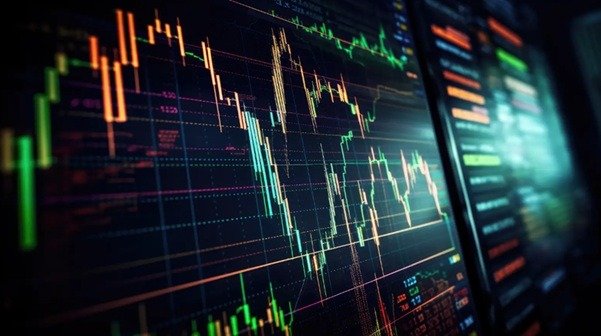
If you’ve ever watched the news mention “the Nasdaq hit a record high” and wondered how people actually trade that, you’re in the right place. Building a simple Nasdaq trading strategy is one of the most popular ways beginners get started with the markets, partly because index trading feels less overwhelming than picking individual stocks.
In this guide, we’ll explain the Nasdaq in plain English, the best strategies, and walk through how to trade the most popular index without the jargon.
No prior experience needed. Let’s keep it simple.
Quick Answer: What is a Nasdaq Trading Strategy?
A Nasdaq trading strategy is a set of rules a trader follows to buy or sell the Nasdaq 100, an index that tracks 100 large, tech-focused US companies. A simple beginner approach combines trading during the active US session, following confirmed price trends instead of guessing, and protecting every trade with a stop loss. The goal is consistency, not perfection.
What is the Nasdaq 100?
The Nasdaq 100 is an index, a group of stocks tracked together as a single number. Instead of buying one company, you trade the combined performance of many. Think of it like backing a whole team’s season rather than one player’s single game.
What makes the Nasdaq distinct is its makeup. It’s dominated by technology and growth companies, so when tech does well, the Nasdaq tends to climb — and when tech sells off, it can drop fast. That concentration is exactly why it moves more dramatically than broader, slower indices.
A few quick facts to anchor your understanding:
- It holds the 100 largest non-financial companies listed on the Nasdaq exchange.
- Common CFD tickers include NAS100, USTEC, US100, or NDX, depending on your broker.
- It’s heavily influenced by a handful of mega-cap tech names, so big moves in those stocks can swing the whole index.
The Nasdaq is fast, tech-driven, and liquid, which is what makes it both attractive and risky for new traders.
Why Do Beginners Trade the Nasdaq?
Trading the Nasdaq removes one of the hardest parts of the markets: picking individual winners. You don’t need to predict whether one company will beat earnings; you just need a view on whether the broader tech market is rising or falling.
Here’s why new traders gravitate toward it:
- Simpler decisions. One instrument, one direction. Up or down.
- Built-in diversification. A single index already spreads your exposure across 100 companies, so one bad stock won’t sink your trade.
- High liquidity. The Nasdaq is heavily traded, meaning liquidity (how easily you can buy or sell) is strong and orders fill quickly.
- Clear trends. It often moves in readable trends during active hours, which suits a rules-based plan.
- Two-way opportunity. Trading it as a CFD (Contract for Difference) lets you trade price movements without owning shares — and go long or short.
The trade-off for all that opportunity is volatility. The same speed that creates chances can also create fast losses, which is why a plan matters.
What’s a Simple Nasdaq Trading Strategy for Beginners?
You don’t need a complicated system to start. A clean, rules-based approach beats guesswork every time. Here’s a beginner-friendly framework; treat it as an educational example, not a recommendation.
- Trade with the trend. If the Nasdaq is making higher highs through the session, look for buying opportunities; don’t fight the move.
- Wait for the US session. Most meaningful moves happen after the New York open. Avoid the quiet, choppy hours.
- Define your levels before you enter. Decide your stop loss (your automatic exit if you’re wrong) and take profit (where you lock in gains) before placing the trade.
- Use a sensible risk/reward ratio. A 1:2 ratio means risking $1 to aim for $2. This way you can be right less than half the time and still come out ahead.
- Keep position sizes small. Especially while learning. The market will always be there tomorrow.
The point of any Nasdaq trading strategy is repeatability. If you can’t write your rules down in five lines, the plan is too complicated.
What Sessions, Volatility, and Spreads Should You Expect?
Timing matters enormously with the Nasdaq. The same chart can feel calm at one hour and wild at another.
Trading sessions
The US cash market runs roughly from 9:30 AM to 4:00 PM New York time. Through most CFD brokers, the Nasdaq trades almost around the clock on weekdays, but the real action concentrates around the US session.
Volatility
Volatility is how dramatically a price swings up and down, like a roller coaster your stomach may not agree with. The Nasdaq is one of the more volatile indices because its tech-heavy makeup reacts fast to news and rate headlines. The first 30–60 minutes after the US open are often the most volatile of the day.
Spreads
The spread is the small gap between the buy and sell price; it’s how brokers earn. Spreads tend to be tightest during active US hours and can widen during quiet periods or major news events. Wider spreads quietly increase your trading cost, so timing entries during liquid hours matters.
How Do Traders Use Nasdaq Signals and Alerts?
Not everyone can stare at charts all day. That’s where trading signals come in, buy/sell alerts generated by an experienced trader or an algorithm. Think of a signal like a text from a knowledgeable indices trader friend: “Nasdaq looks ready to fall, consider a sell here, with a stop above this level.”
Traders typically use signals and alerts in three ways:
- Manual signals. You receive an alert (often via a Telegram group or app) and decide whether to take the trade yourself.
- Price alerts. Your platform pings you when the Nasdaq hits a level you’re watching, so you don’t miss a setup.
- Automated copying. A signal copier — software that copies trade signals from one account to another automatically, and places the trades for you in real time.
Signals can shorten the learning curve, but they’re a tool, not a guarantee. No signal is 100% accurate, so always use a stop loss on every trade, even when you’re following an expert.
If you want to follow Nasdaq setups, you can follow Nasdaq trading signals to get an idea of the strategies.
How Do You Manage Risk on the Fast-Moving Nasdaq?
This is the section that separates traders who last from those who don’t. The Nasdaq can reverse in seconds, so protecting your capital comes before chasing profit.
Here are the essentials every beginner should lock in:
- Always use a stop loss. It’s an automatic exit that caps how much one trade can cost you. Non-negotiable.
- Risk a small, fixed percentage. Many traders risk only 1–2% of their account on a single trade, so no single loss can do serious damage.
- Mind your leverage. Leverage lets you trade a bigger position than your deposit, like borrowing a bigger fishing net. It multiplies profits and losses. Beginners should start low.
- Avoid major news spikes. Big economic releases can cause sudden gaps and slippage (when your trade fills at a different price than expected).
- Accept losses calmly. A losing trade isn’t a failure, revenge-trading to “win it back” is.
A sobering reality check: a large share of retail CFD traders lose money over time, according to regulated broker risk disclosures, such as CFTC or SEC. Treat that as motivation to learn properly and manage risk not as a reason to avoid education.
The Bottom Line
A good Nasdaq trading strategy isn’t about predicting the future, it’s about following simple, repeatable rules. Understand what the Nasdaq 100 actually is, trade during the active US session, lean on signals as a helper rather than a crutch, and protect every trade with a stop loss. Master those basics, and you’ll be trading the Nasdaq on a far stronger footing than most beginners.
Start small, stay consistent, and let your experience grow before your position sizes do. Want to follow real Nasdaq setups as you learn? Explore SureShotFX’s Nasdaq signals.













Success at Work, Meaning at Home: Redefining What a Successful Life Looks Like

Hit by a Lyft Driver? Steps to Protect Your Health and Your Claim

How Financial Planning Can Help You Build a More Secure Future

Underground Water Leak Detection Services: Essential Considerations for Homeowners

Why People Wear Fragrance Even When They’re Staying Home

Hair Transplant Technology in Istanbul

Creating Your Own Rituals for Rest, Reflection, and Personal Time

How Hiring A Professional Plumber Saves You Money On Water Bills

Plumbing Emergencies: A Homeowner’s Guide for Finding a Plumber Near Me

Why Homeowners Trust Professionals for Drain Cleaning in Portland

100 Motivational Quotes to Inspire You in 2026

How to Create a Vision Board That Actually Works (2026)

22 Best Self-Help Books to Read in 2026

How to Achieve Personal Growth in 2026

New Year Wishes and Quotes to Inspire and Celebrate (2026)

Loeb Smith reviews: Why Crypto Licensing Demands Patience, Structure, and Skepticism

How to Leverage Personal Development for Career Advancement

Top Fitness Coach Certification Programs for Aspiring Trainers

From Denver to Vail: Secrets, Snow, and Soul of the Rockies

How to Choose the Best Manali Tour Package for a Family-Friendly Vacation?
-

 Motivation6 years ago
4 Fun New Hobbies To Try This Year
-

 Quotes4 years ago
53 Motivational Gym Quotes to Fuel Gym Workout
-

 Quotes11 years ago
50 Most Powerful Quotes Ever Spoken
-

 Travel2 years ago
Why You Should Travel More: The Many Benefits of Seeing the World
-
 Quotes10 months ago
100 Motivational Quotes to Inspire You in 2026
-

 Quotes3 years ago
43 Inspirational Quotes About Thoughts
-

 Quotes4 years ago
Motivational Quotes by Famous People
-

 Quotes1 year ago
100 Motivational Quotes to Start Your Day with Positivity