
Lifestyle
Diagnosing Hot and Cold Rooms: How Airflow, Ducts, and Thermostats Create Uneven Temperatures

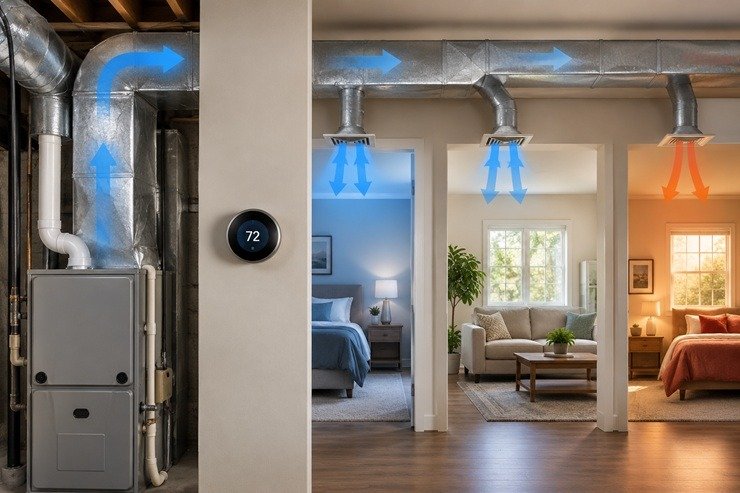
When one bedroom bakes while another stays chilly, the problem is usually not your imagination or a quirk of the weather. It is a sign that air is not moving where and when it should. Uneven temperatures often trace back to specific HVAC issues, such as high static pressure in the ductwork, starved return air, or a thermostat that cannot read the areas you care about. Understanding these causes helps you decide what to check now and what to have measured later. This guide walks through recognizable patterns, common culprits, simple at-home checks, the diagnostic tests professionals use, and durable fixes that actually balance temperatures room to room.
1. Patterns That Point to an Airflow Problem, Not Just the Weather
Uneven rooms tend to follow repeatable patterns. Classic examples include upstairs spaces running 3 to 5 degrees warmer in summer because supply registers are starved, or a bonus room over a garage that stays cold due to a long, undersized branch run. Short cycling can be another clue: a large, single-stage air conditioner may reach the thermostat setpoint quickly but leave far rooms stagnant and humid because its runtime is too short for air to mix. Whistling supply grilles, doors that drift shut when the system runs, and a filter that clogs unusually fast all point to high static pressure or return restrictions. A licensed HVAC contractor, such as Peninsula Heating & Air, can confirm these patterns with measurements rather than guesses.
2. Common Causes: From High Static Pressure to Starved Returns
High static pressure is the root of many hot and cold spots. It often comes from undersized trunk ducts, crushed or kinked flex duct, or too many closed supply registers pushing against the blower. Overly restrictive filtration can also play a role; jumping from a 1-inch MERV 8 to a MERV 13 without adding a deeper media cabinet can starve the airflow. Return-air problems are just as common. Couches that block return grilles, tight door undercuts without a return path, or a single small return for a large zone force air to struggle back to the air handler. The result is noisy vents, weak supply airflow at distant registers, and, in extreme cases, a freezing evaporator coil due to insufficient CFM across the coil.
3. At-Home Checks You Can Safely Try Before Scheduling Service
Start with the filter. If a 1-inch filter is dirty or collapsing, replace it and note the date; upgrading to a 4-inch media cabinet later can cut pressure and extend filter life. Walk each room and confirm that supply registers are open and that their blades are not aimed directly at a thermostat. In basements or attics, look for metal damper levers near takeoffs; a lever parallel to the duct is open; perpendicular is closed. Verify returns are clear of furniture and not carpeted over. Set the fan to Auto, not On, during humid weather to avoid raising indoor humidity with constant fan-only operation. Finally, crack bedroom doors during system runtime if there is no dedicated return or transfer grille to help air cycle back to the unit.
4. Measurements That Set the Fix: What Pros Test and Why It Matters
Good solutions start with objective data. Technicians drill small test ports and use a manometer to read total external static pressure at the air handler, comparing it to the blower’s nameplate maximum. If readings are high, they will look for bottlenecks like an undersized return drop, crushed flex, or a restrictive filter rack. A flow hood or anemometer can estimate CFM at individual registers to confirm which rooms are underfed. Duct-leakage testing finds losses at boots, takeoffs, and plenums that waste conditioned air. Load calculations using Manual J and duct design checks using Manual D ensure the delivered CFM meets each room’s needs. One common scenario is a theater room that is clammy in summer because the system is oversized; a smaller, longer-running unit or a variable-speed air handler often corrects both airflow and humidity.
5. Fixes That Last: Balancing, Sealing, and When Redesign Is Worth It
Once the bottlenecks are known, targeted fixes beat trial-and-error. Balancing dampers can be adjusted to nudge more airflow toward long runs, and crushed flex can be replaced with properly supported, straightened runs. Sealing duct joints with mastic and mesh, rather than tape alone, reduces leakage at boots and plenums. If static pressure remains high, upsizing the return drop, adding a dedicated return in a starved room, or installing a deeper media filter cabinet can reduce resistance. In homes with persistent conflicts between floors or large zones, modern zoning with motorized dampers and careful bypass-free design can help, provided the ducts and blower can support the added control. There is a trade-off: higher-MERV filtration and aggressive zoning can improve cleanliness and control, but only when duct sizing and blower settings keep airflow within safe limits.
Keeping temperatures even is an ongoing practice, not a one-time adjustment. Mark damper positions after balancing so seasonal tweaks are repeatable. Keep return pathways open, vacuum registers and grilles to prevent dust buildup that increases resistance, and replace filters on a consistent schedule. If your thermostat struggles to represent the whole floor, consider a model that averages readings from wireless room sensors. During professional maintenance, ask for static pressure readings along with coil and blower inspections; catching a rising pressure trend early can prevent hot rooms and equipment strain later. With sound measurements and a few practical habits, you can create steady, comfortable temperatures across the entire home without overworking your system.












Why Saying “Yes” is More than a Milestone: It’s a Mindset Shift

Success at Work, Meaning at Home: Redefining What a Successful Life Looks Like

Hit by a Lyft Driver? Steps to Protect Your Health and Your Claim

How Financial Planning Can Help You Build a More Secure Future

Underground Water Leak Detection Services: Essential Considerations for Homeowners

Why People Wear Fragrance Even When They’re Staying Home

Hair Transplant Technology in Istanbul

Creating Your Own Rituals for Rest, Reflection, and Personal Time

How Hiring A Professional Plumber Saves You Money On Water Bills

Plumbing Emergencies: A Homeowner’s Guide for Finding a Plumber Near Me

100 Motivational Quotes to Inspire You in 2026

How to Create a Vision Board That Actually Works (2026)

22 Best Self-Help Books to Read in 2026

How to Achieve Personal Growth in 2026

New Year Wishes and Quotes to Inspire and Celebrate (2026)

Loeb Smith reviews: Why Crypto Licensing Demands Patience, Structure, and Skepticism

Top Fitness Coach Certification Programs for Aspiring Trainers

From Denver to Vail: Secrets, Snow, and Soul of the Rockies

How to Choose the Best Manali Tour Package for a Family-Friendly Vacation?

Your Guide to Building the Life You Want as a Medical Professional
-

 Motivation6 years ago
4 Fun New Hobbies To Try This Year
-

 Quotes4 years ago
53 Motivational Gym Quotes to Fuel Gym Workout
-

 Quotes11 years ago
50 Most Powerful Quotes Ever Spoken
-

 Travel2 years ago
Why You Should Travel More: The Many Benefits of Seeing the World
-
 Quotes10 months ago
100 Motivational Quotes to Inspire You in 2026
-

 Quotes3 years ago
43 Inspirational Quotes About Thoughts
-

 Quotes4 years ago
Motivational Quotes by Famous People
-

 Quotes1 year ago
100 Motivational Quotes to Start Your Day with Positivity