
Lifestyle
How to Match HVAC to Toronto Homes: Climate, Ductwork, and Humidity Control

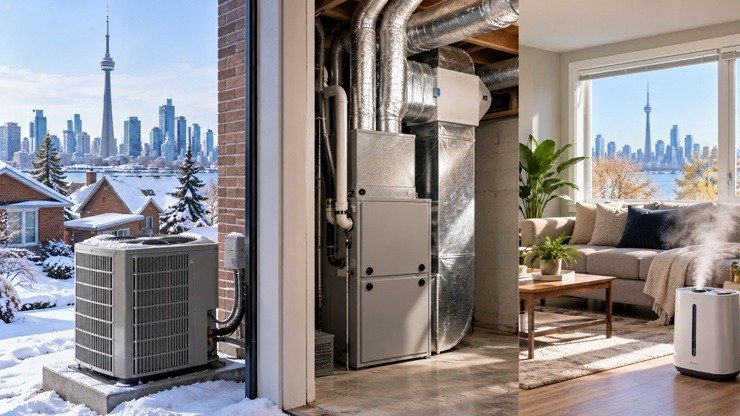
Toronto homes face a tough combination: deep winter cold, lake-fed summer humidity, and housing that ranges from century-old brick semis to high-rise condos. That mix pushes heating, cooling, and ventilation in different directions at different times of the year. The best results rarely come from swapping like-for-like equipment. They come from aligning equipment type, duct capacity, and moisture control with a property’s actual constraints. This article shows how to make practical, constraint-driven choices that improve comfort, manage humidity, and protect indoor air without overcomplicating your system or overspending where it will not pay off.
1. Start With Constraints: Toronto Climate and Building Realities
A good plan begins with what your home and the city’s weather will and will not allow. Cold snaps make heat loss through leaky windows and uninsulated attics painfully obvious, while sticky July evenings bring latent (moisture) loads that a cooling system must remove. Many older houses have tiny mechanical rooms, 100-amp electrical panels, or hot-water radiators with no ducts. Semis and rowhouses complicate outdoor unit placement and sound. Before choosing equipment, ask for a room-by-room heat-loss and heat-gain calculation, note window specs and recent insulation upgrades, and confirm service access. If you want a concise local primer, resources focused on HVAC Toronto can help you frame the right questions ahead of a site visit.
2. Selecting Equipment Type: Heat Pump, Gas Furnace with AC, or Ductless
Cold-climate air-source heat pumps, built around variable-speed inverter compressors and smart defrost control, can heat efficiently through much of a Toronto winter. They favor longer, quieter run times and pair well with tight envelopes. A dual-fuel setup combines a heat pump with a gas furnace as backup, handing off on the coldest days to maintain supply air temperature without excessive electrical load. In homes without ducts, ductless mini-splits shine for targeted comfort on third floors or in additions; multi-zone systems connect multiple indoor heads to a single outdoor unit via discreet linesets. Each path has trade-offs: a heat pump may call for electrical upgrades and careful defrost drainage; a high-efficiency furnace with AC can use existing gas and ducts but will not reduce combustion emissions; ductless systems avoid bulky duct chases yet leave visible wall cassettes and require thoughtful outdoor placement to manage snow, sound, and condensate.
3. Ductwork, Static Pressure, and Airflow in Tight Spaces
Even the best equipment stumbles when ducts are restrictive. Undersized returns, crushed flex, and sharp elbows raise static pressure, forcing ECM blowers to work harder, increasing noise at registers, and starving far rooms. In a post-war bungalow with a single small return in the hall, adding a larger return grille, opening a second return on the bedroom side of the house, and replacing short-radius elbows can cut pressure and even out bedroom temperatures. During a retrofit, ask for the measured total external static pressure, not just a visual check. Balancing dampers, longer-radius fittings, and properly sealed joints (mastic, not cloth duct tape) make quiet comfort more likely.
Zoning can help, but it is not a bandage for poor duct sizing. Motorized dampers that close too many branches can raise pressure and cause a furnace heat exchanger to overheat or an AC coil to freeze. Avoid “bypass” shortcuts that recirculate air to the return; instead, consider equipment that modulates capacity or, in vertical homes, separate systems per floor when ducts are severely constrained. The goal is to maintain steady airflow within the blower’s pressure limits.
4. Humidity, Ventilation, and Indoor Air in a Lakeside City
Summer comfort in Toronto often depends as much on drying the air as on cooling it. An AC that short-cycles because it is oversized will leave rooms cool yet clammy. Variable-capacity systems run longer at low speed to pull moisture across the evaporator coil, and a dedicated whole-home dehumidifier can keep basements dry during shoulder seasons when the AC rarely runs. In winter, a properly set steam or evaporative humidifier can offset the dry air caused by prolonged heating, but over-humidifying invites window condensation and ice along sashes. Calibrate your humidistat with real-world signs: dry skin is not a license to fog the glass.
Fresh-air strategy matters. A heat recovery ventilator (HRV) or energy recovery ventilator (ERV) provides consistent outside air without inflating your utility costs, which is especially valuable after airtight window, door, and air-sealing upgrades. Kitchen range hoods and bath fans should vent outdoors with working backdraft dampers to limit moisture recirculation. For filtration, many homes benefit from MERV 11–13 media, but higher MERV ratings increase pressure drop; verify that the filter rack and blower can handle it. Seal duct leaks with mastic to keep dust out of returns and to ensure supply air reaches rooms rather than attics or wall cavities.
5. Prepare Before the Site Visit and Plan Follow-Through
Preparation shortens guesswork and produces a better design. Note window types and orientations, attic and wall insulation status, room-by-room comfort complaints, and any water issues in the basement. Snap photos of your electrical panel, gas meter, and existing equipment labels. In shared walls or tight lots, measure setbacks for outdoor units and consider snow patterns and neighbors’ windows for sound. Condo owners should bring board rules about mechanical changes. During the visit, request a written load calculation, duct measurements, and a commissioning plan that includes refrigerant charge verification by subcool/superheat, static pressure readings, and thermostat programming for multi-stage or inverter equipment.
A constraint-first approach keeps you from chasing headline efficiencies that do not translate into comfort. Aim for right-sized capacity, steady airflow, and humidity targets that avoid condensation in winter and stickiness in summer. After installation, keep filters on schedule, clear snow and leaves from outdoor coils and heat pump bases, and confirm condensate drains are open before cooling season. Seasonal tune-ups that check defrost operation, flame quality or compressor amperage, and control settings protect both comfort and equipment life. When climate, ducts, and moisture are aligned, Toronto homes feel calm, quiet, and consistent in every room.














How to Build an Investment Plan That Can Handle Market Swings

How Coastal Storms Overwhelm Residential Pipes During Drain Cleaning in Miami

How Skin Renewal Microneedling at Anne Therese Transforms Dull Skin

Natural Remedies Are Shaping the Next Generation of Mindful Lifestyles

What Visitors Should Know About Miami Roads, Rental Cars and Road Accidents

5 Signs You’re Not Just Busy, You’re Overwhelmed

How Hiring Emergency Water Damage Restoration Service Prevents Structural Rot

Planning a Lahore Heritage Break with Time to Explore

How Small Businesses Can Make Cross-Border Payments Faster, Clearer, and More Reliable

How Tampa Businesses Can Choose a Commercial Location

100 Motivational Quotes to Inspire You in 2026

How to Create a Vision Board That Actually Works (2026)

22 Best Self-Help Books to Read in 2026

How to Achieve Personal Growth in 2026

New Year Wishes and Quotes to Inspire and Celebrate (2026)

Loeb Smith reviews: Why Crypto Licensing Demands Patience, Structure, and Skepticism

How to Leverage Personal Development for Career Advancement

Top Fitness Coach Certification Programs for Aspiring Trainers

From Denver to Vail: Secrets, Snow, and Soul of the Rockies

How to Choose the Best Manali Tour Package for a Family-Friendly Vacation?
-

 Motivation6 years ago
4 Fun New Hobbies To Try This Year
-

 Quotes4 years ago
53 Motivational Gym Quotes to Fuel Gym Workout
-

 Quotes11 years ago
50 Most Powerful Quotes Ever Spoken
-

 Travel2 years ago
Why You Should Travel More: The Many Benefits of Seeing the World
-
 Quotes10 months ago
100 Motivational Quotes to Inspire You in 2026
-

 Quotes3 years ago
43 Inspirational Quotes About Thoughts
-

 Quotes4 years ago
Motivational Quotes by Famous People
-

 Quotes1 year ago
100 Motivational Quotes to Start Your Day with Positivity