
Lifestyle
How Design Choices Shape the Performance of Wooden Shutters

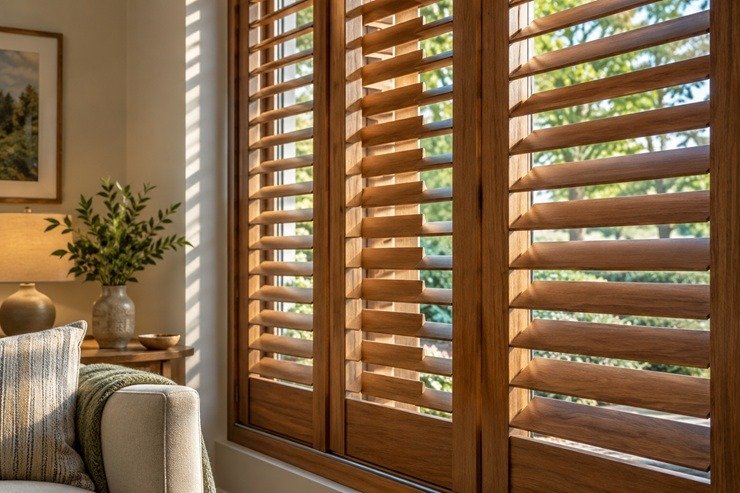
Well-fitted wooden shutters do more than look good. The louver size, panel layout, and how the frame mounts to your window all affect how much light you can control, how easy the shutters are to clean, and how well they hold up over time. Small windows with nearby furniture call for different decisions than tall bays or doors. This article focuses on the practical relationships between design choices and everyday use, so you can match shutters to each room’s view, privacy, and cleaning realities without guesswork or regret.
1. Set the Room Goal: View, Privacy, and Reach
Start with the non-negotiables in each space. In a street-facing living room, you might want wide-open views during the day and glare control at sunset. In a nursery, privacy and gentle light matter more than an expansive view. When comparing available wooden shutters, determine whether the priority is blocking direct sun, obscuring sightlines from outside, or making the panels easy to reach from behind a sofa or deep sill. Those goals will drive decisions about louver size, panel count, and whether you want an inside- or outside-mounted frame.
Scenarios clarify trade-offs. A cafe-height shutter that covers only the bottom sash protects privacy at the dining table while letting daylight in from above. Tier-on-tier panels on a tall window let you swing open the upper tier to frame the sky while the lower tier stays shut. On a French door, full-height panels with a divider rail set above the handle keep louvers stable and avoid clashes with the lever.
2. Louver Size and Tilt Mechanism: Light, Glare, and Cleaning
Larger louvers, often around 3 to 3.5 inches, give broader views between slats and reduce the number of lines across the glass. They also let in more light per adjustment, which helps brighten north-facing rooms. Smaller louvers, such as 2.5-inch louvers, provide tighter privacy when angled down and can more precisely reduce glare near computer screens. With fewer slats to dust, larger louvers are typically faster to clean, but they need a bit more swing clearance when panels open toward deep window reveals or radiators.
The tilt mechanism affects both sightlines and durability. A centered front tilt rod is classic and easy to grasp, but it creates a vertical line across the view. Hidden tilt (a concealed metal strip at the back) cleans up the look and can be easier to wipe down on kitchen windows that get splattered. Avoid choosing tiny louvers with a front tilt rod for a cooking zone; grease clings to the extra edges, slowing cleanup and increasing the risk of binding as residue builds up around the rod staples.
3. Panel Layout, Midrails, and T-Posts: How the Shutters Move
Panel count shapes how shutters operate day-to-day. A single wide panel preserves a clear view when swung open, but it needs space to clear handles or curtains. Bi-fold pairs split the weight and reduce the arc of each leaf, which helps around deep sills or tight alcoves. Tier-on-tier gives independent control for the top and bottom halves of tall windows. On doors or narrow windows, magnetic catches and properly sized hinges keep panels from drifting and knocking hardware.
Midrails and structural supports add strength and control flex. A divider rail placed at the same height as a window’s horizontal mullion blends visually and helps prevent long louvers from bowing. For wide spans, a T-post in the frame creates separate bays for multiple panels, keeping meeting stiles straight and reducing rattle. The trade-off is more framing in the sightline. A common mistake is setting a divider rail so that it hits a sash lock or handle; always check the handle height and allow enough clearance for both the rail and the louver to rotate.
4. Inside-Mount or Outside-Mount Frames: Fit and Light Gaps
The mount type determines how forgiving the installation is. Inside-mount frames sit within the window recess and look built-in, but they rely on square openings. Check squareness by measuring the width and height at three points and comparing the diagonals; if the measurements vary significantly, the recess is likely out of true. A Z-frame can hide small irregularities by overlapping the trim’s inside edge, while a simple L-frame requires a straighter reveal to avoid light gaps at the corners.
Outside-mount frames attach to the face of the wall or trim and bridge uneven plaster, deep tiles, or out-of-square recesses. They are helpful over tilt-and-turn windows that need internal clearance or over damaged reveals you plan to cover. The trade-off is a slightly larger footprint around the window, which can overlap the decorative casing and reduce daylight at the perimeter. For rentals with chipped plaster, outside mounts can look cleaner and avoid the need for patching, whereas a true inside mount shows every wobble in the reveal.
5. Wood Species, Finish, and Everyday Conditions
Material choice changes weight, stability, and moisture tolerance. Lightweight hardwoods like basswood are common for painted shutters because they mill cleanly and reduce hinge stress on wide panels. Poplar and engineered wood cores resist warping better across seasons, which is useful in rooms with frequent heating and cooling cycles. In bathrooms and kitchens, prioritize sealed, moisture-resistant finishes and avoid leaving louvers propped open toward steam; condensate can settle on the lower edge of slats and raise the grain over time.
Finish affects care and color fastness. A painted finish hides mixed grain and is easier to touch up, while stains showcase the timber’s character but reveal dents more readily. Strong afternoon sun can fade dark stains faster than light paints, so consider a UV-cured topcoat in bright exposures. For maintenance, dust louvers with a microfiber cloth or vacuum brush along the slat direction, avoid silicone polishes that leave residue on tilt rods, and check hinge screws yearly. Keeping indoor humidity moderate helps panels close flush and reduces seasonal swelling at meeting stiles.
Smart shutter decisions come from matching function to the room before you fall in love with a look. Define the goal (view, privacy, reach), then select a louver size and tilt style that manages light the way you actually live. Choose a panel layout that clears handles and furniture, align divider rails with mullions for strength, and add T-posts only where they control flex. Finally, pick a mount that respects your window geometry and a material and finish fit for moisture and sun. A quick sketch with measurements and handle positions can turn a guess into a confident plan.












How to Build an Investment Plan That Can Handle Market Swings

How Coastal Storms Overwhelm Residential Pipes During Drain Cleaning in Miami

How Skin Renewal Microneedling at Anne Therese Transforms Dull Skin

Natural Remedies Are Shaping the Next Generation of Mindful Lifestyles

What Visitors Should Know About Miami Roads, Rental Cars and Road Accidents

5 Signs You’re Not Just Busy, You’re Overwhelmed

How Hiring Emergency Water Damage Restoration Service Prevents Structural Rot

Planning a Lahore Heritage Break with Time to Explore

How Small Businesses Can Make Cross-Border Payments Faster, Clearer, and More Reliable

How Tampa Businesses Can Choose a Commercial Location

100 Motivational Quotes to Inspire You in 2026

How to Create a Vision Board That Actually Works (2026)

22 Best Self-Help Books to Read in 2026

How to Achieve Personal Growth in 2026

New Year Wishes and Quotes to Inspire and Celebrate (2026)

Loeb Smith reviews: Why Crypto Licensing Demands Patience, Structure, and Skepticism

How to Leverage Personal Development for Career Advancement

Top Fitness Coach Certification Programs for Aspiring Trainers

From Denver to Vail: Secrets, Snow, and Soul of the Rockies

How to Choose the Best Manali Tour Package for a Family-Friendly Vacation?
-

 Motivation6 years ago
4 Fun New Hobbies To Try This Year
-

 Quotes4 years ago
53 Motivational Gym Quotes to Fuel Gym Workout
-

 Quotes11 years ago
50 Most Powerful Quotes Ever Spoken
-

 Travel2 years ago
Why You Should Travel More: The Many Benefits of Seeing the World
-
 Quotes10 months ago
100 Motivational Quotes to Inspire You in 2026
-

 Quotes3 years ago
43 Inspirational Quotes About Thoughts
-

 Quotes4 years ago
Motivational Quotes by Famous People
-

 Quotes1 year ago
100 Motivational Quotes to Start Your Day with Positivity