
Lifestyle
When Your AC Blows Warm Air: A Homeowner’s Diagnostic Guide Before Calling for Repair

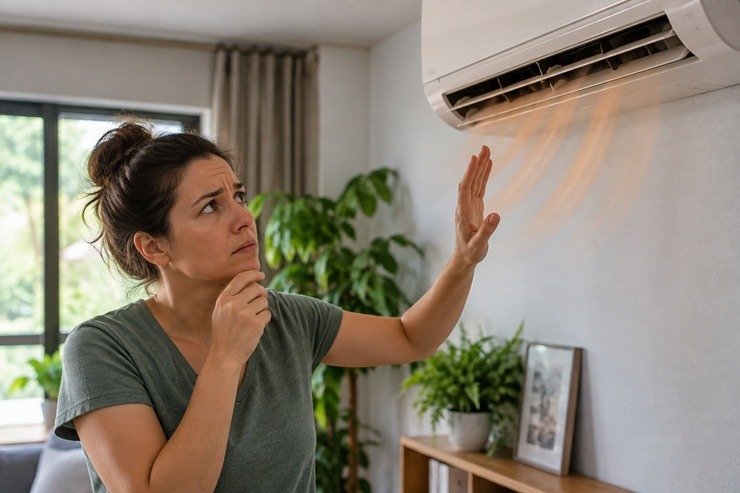
A central air conditioner that runs but does not cool the house can waste energy and strain expensive parts. Before you pick up the phone, a few quick checks can help you distinguish quick fixes from real faults. You are not opening panels or handling refrigerant here. You are observing symptoms around the thermostat, supply and return vents, the outdoor condenser, and the condensate drain. Good notes about how the system behaves over time often shorten professional diagnostic time and prevent repeat visits. This guide walks through common patterns that cause warm air, short cycling, or intermittent cooling and suggests next steps without risking damage.
1. Confirm Thermostat Settings and Observe the Cooling Cycle
Make sure the thermostat is set to Cool, the fan is on Auto, and the temperature is several degrees below room temperature. Replace weak batteries and double-check any programmed schedules or hold settings. After changing the setpoint, listen for the indoor blower to start, then step outside and see if the condenser fan and compressor start. If the system stops within a few minutes and restarts repeatedly, that short cycling points to a protective device tripping or an airflow issue rather than an immediate thermostat failure. If these basics check out, it may be time to schedule a licensed Air conditioning repair service for deeper testing.
2. Restore Airflow: Filters, Coils, and Duct Restrictions
Restricted airflow is the most common fixable reason for poor cooling. Start with the return filter. If it is loaded with dust or pet hair, replace it with the correct size and orientation. An ultra-dense, high-MERV filter can choke a system with a small return grille or undersized ductwork; sometimes stepping down to a less restrictive filter prevents freeze-ups while still improving indoor air quality. Open supply registers fully and move furniture away from return grilles. If the outside suction line is cold with visible frost, your evaporator coil may be iced over due to low airflow. Turn the system off and run only the fan to thaw the coil, then restore cooling and watch for refreezing.
Persistent airflow problems may come from a blower wheel caked with debris, a weak blower motor capacitor that slows the blower, or a clogged evaporator coil upstream of the filter. Closed manual dampers, a kinked flex duct in the attic, or a collapsed section of duct liner can starve a particular room while the rest of the house feels fine. You can compare several supply vents to see whether any have notably weak airflow or only slightly cool air. If the coil ices again after a full thaw and a clean filter, the underlying restriction or a refrigerant-side fault still needs attention before the compressor overheats.
3. Refrigerant-Side Clues You Can Spot Without Gauges
You cannot measure superheat or subcool without tools, but you can note clues that help a technician. A lightly iced suction line outside, a hissing sound at the air handler after shutdown, or cooling that works briefly after a thaw, then fades, often points to a low refrigerant charge or a metering issue at the TXV. An oil stain on a flare fitting or on the filter drier can indicate a tiny leak. On the other hand, warm air with the outdoor unit running non-stop on a mild day can indicate a weak compressor or a stuck reversing valve in a heat pump. Do not run the system while the coil is iced. Liquid refrigerant can return to the compressor and cause internal damage.
4. Electrical Components and Safety Switches That Cause Intermittent Cooling
Electrical wear can mimic thermostat problems. A failed start capacitor may leave the outdoor fan or compressor humming without spinning up. A pitted contactor can chatter and drop power under load. If the condenser shuts down on hot afternoons and restarts when it cools, a dirty condenser coil can raise head pressure enough to trip a high-pressure switch. Turn off the power at the disconnect, then gently rinse the condenser fins from the inside out to remove grass clippings and lint. Inside, a clogged condensate trap can trip a float switch that disables the condenser to prevent overflow, leaving the blower to push warm, unconditioned air.
Safety-first advice applies here. Never bypass a float switch, never stick tools into a moving fan, and do not open electrical panels. If a GFCI feeding a condensate pump is tripping, reset it once after clearing the drain line, then watch for recurrence. Burnt-wiring smells, repeated breaker trips, or a compressor that attempts to start several times in a row are all reasons to leave the system off until a technician checks capacitors, contactors, and motor windings with a meter.
5. Document What You See so a Technician Can Go Straight to the Fault
Good notes cut diagnostic time. Record the time of day the issue appears, the outdoor temperature, and what equipment is running when cooling stops. Capture a short video of a humming condenser fan that does not spin, a frozen evaporator coil, or water in the secondary drain pan. Share filter size and age, thermostat model, and any error codes. Describe sounds accurately: a metallic rattle from a loose blower wheel differs from a steady electrical buzz at the contactor. Note airflow room by room. For example, if the back bedrooms are weak, the crawlspace may hide a disconnected takeoff, which a tech can fix quickly.
Two scenarios show why observations matter. In one attic system, a clogged condensate trap repeatedly tripped a float switch after the first cooling cycle. The homeowner’s note about water in the overflow pan led the technician to clear the trap and flush the drain, ending the shutdowns. In another case, a thick return filter paired with a small return grille caused the evaporator to ice each afternoon. Swapping to a less restrictive filter and scheduling a coil cleaning restored normal operation. Use the steps above to prevent damage while you wait for service, then share your observations so the technician can verify airflow, check refrigerant charge under the correct conditions, and test capacitors and contactors efficiently. If basic checks do not pass, turn the system off and arrange for timely professional diagnostics to protect the compressor and avoid more extensive repairs.












How to Build an Investment Plan That Can Handle Market Swings

How Coastal Storms Overwhelm Residential Pipes During Drain Cleaning in Miami

How Skin Renewal Microneedling at Anne Therese Transforms Dull Skin

Natural Remedies Are Shaping the Next Generation of Mindful Lifestyles

What Visitors Should Know About Miami Roads, Rental Cars and Road Accidents

5 Signs You’re Not Just Busy, You’re Overwhelmed

How Hiring Emergency Water Damage Restoration Service Prevents Structural Rot

Planning a Lahore Heritage Break with Time to Explore

How Small Businesses Can Make Cross-Border Payments Faster, Clearer, and More Reliable

How Tampa Businesses Can Choose a Commercial Location

100 Motivational Quotes to Inspire You in 2026

How to Create a Vision Board That Actually Works (2026)

22 Best Self-Help Books to Read in 2026

How to Achieve Personal Growth in 2026

New Year Wishes and Quotes to Inspire and Celebrate (2026)

Loeb Smith reviews: Why Crypto Licensing Demands Patience, Structure, and Skepticism

How to Leverage Personal Development for Career Advancement

Top Fitness Coach Certification Programs for Aspiring Trainers

From Denver to Vail: Secrets, Snow, and Soul of the Rockies

How to Choose the Best Manali Tour Package for a Family-Friendly Vacation?
-

 Motivation6 years ago
4 Fun New Hobbies To Try This Year
-

 Quotes4 years ago
53 Motivational Gym Quotes to Fuel Gym Workout
-

 Quotes11 years ago
50 Most Powerful Quotes Ever Spoken
-

 Travel2 years ago
Why You Should Travel More: The Many Benefits of Seeing the World
-
 Quotes10 months ago
100 Motivational Quotes to Inspire You in 2026
-

 Quotes3 years ago
43 Inspirational Quotes About Thoughts
-

 Quotes4 years ago
Motivational Quotes by Famous People
-

 Quotes1 year ago
100 Motivational Quotes to Start Your Day with Positivity