
Lifestyle
What Homeowners Get Wrong About HVAC Sizing and Ductwork

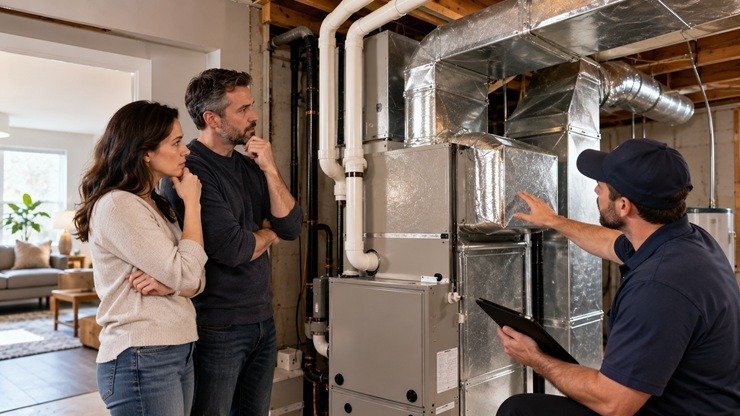
When a heating and cooling system is due for replacement, most attention goes to brand badges, efficiency stickers, and smart thermostats. Those matter, but two less visible factors decide everyday comfort and operating cost: the size of the equipment and the airflow your ducts can actually deliver. Get those wrong, and you can end up with rooms that never feel right, sticky indoor air during humid weather, loud supply registers, and higher utility bills even with a “high-efficiency” unit. This article explains what the right size really means, how oversizing and undersizing show up in daily life, why ductwork is half the battle, how equipment type fits your home and climate, and what commissioning steps protect your investment.
1. What “Right Size” Means for Heating and Cooling
Proper sizing starts with a load calculation, not a rule of thumb. A Manual J calculation estimates room-by-room heating and cooling needs based on your home’s insulation levels, window area and orientation, air leakage, and local design temperatures. It also accounts for internal gains from people and appliances. Square-foot multipliers ignore these variables. Resources from local contractors, manufacturers, and community guides such as Berkeley Heating & Air Conditioning can help you understand how this calculation shapes equipment and duct choices before anyone talks about tonnage.
Capacity and efficiency are different ideas. SEER2 and HSPF2 describe how efficiently a system moves heat; they do not tell you how big the system should be. A variable-speed heat pump, properly matched to an air handler and evaporator coil, can modulate output to track your home’s load across the day. A single-stage furnace or condenser cannot. Even efficient equipment that is too large will start and stop too often, wasting energy and reducing dehumidification.
2. How Oversizing and Undersizing Show Up in Daily Life
Oversizing creates short cycles. On a mild afternoon, a large condenser might drop the thermostat a degree in minutes, then shut off before the evaporator coil has time to pull moisture from the air. The result is cool but clammy rooms, a thermostat that seems to be satisfied, and a system that restarts frequently. In winter, an oversized furnace can overshoot, leaving bedrooms warm and then chilly as it coasts. With heat pumps, aggressive cycling can increase defrost events, occasionally sending brief bursts of cooler air through supply registers.
Undersizing, or choking airflow on a correctly sized system, looks different. A high-MERV, 1-inch filter stuffed into a return grille can raise static pressure enough to starve the blower. That can trip a furnace high-limit switch or cause an evaporator coil to freeze. In a two-story home with undersized returns, closing bedroom doors can trap pressure upstairs, reducing supply airflow while pulling unconditioned air from gaps. Both situations result in uneven temperatures and long run times, even if the equipment is new.
3. Ductwork: The Other Half of the System
Airflow depends on duct design, condition, and restrictions. Long runs of flex duct with sharp bends, crushed sections in an attic, or an undersized trunk can elevate total external static pressure and starve a variable-speed blower. Leaky return ducts in a garage or crawlspace can pull dusty, hot, or cold air into the system, which the filter and coil then have to handle. Technicians may use a duct leakage test or a simple smoke pencil to spot these issues. An imbalanced system, with more supply than return in a zone, can also drive infiltration through cracks around doors and recessed lights.
The filter path and return plan matter more than many people expect. A 1-inch filter rack on a large system can create unnecessary restriction, especially with high-MERV media. A deeper media cabinet that accepts 4- or 5-inch filters reduces pressure drop while still capturing fine particles. Adding return grilles, straightening duct runs, or opening balancing dampers can lower static pressure and quiet the system. When new ducts are needed, a Manual D design matches duct diameters, lengths, and fittings to the blower’s capabilities so the system can deliver the airflow required by the load calculation.
4. Choosing Between Heat Pump, Furnace, or Dual Fuel
Climate and envelope conditions shape equipment type. Heat pumps move heat and provide efficient cooling; their heating capacity tapers as outdoor temperatures drop. Auxiliary heat strips can cover peaks, and a cold-climate heat pump, paired with a well-sealed, well-insulated home, can handle more of the winter load. Gas furnaces deliver steady output regardless of outdoor temperature, with AFUE describing combustion efficiency. A dual-fuel setup pairs a heat pump with a gas furnace, allowing a thermostat or control board to select the heat source based on conditions.
There are trade-offs. A variable-speed heat pump can match low cooling loads during shoulder seasons and run longer at low speed for better dehumidification, but it costs more upfront and needs quiet, low-restriction ductwork to shine. A single-stage furnace is less expensive initially, yet it can be noticeable in smaller rooms if the ducts are undersized. Electricity and gas rates, outdoor design temperatures, and your tolerance for longer, quieter cycles versus shorter, louder ones all factor in. Regardless of type, the right size and documented airflow should drive the decision.
5. Commissioning and Upkeep That Protect Your Investment
Even the best equipment and ducts need proper commissioning. Installers should measure total external static pressure, confirm airflow across the coil, and adjust blower speed to meet the calculated target. They should verify the refrigerant charge using superheat and subcooling, confirm that the thermostatic expansion valve is operating, and pressure-test and evacuate the line set. A condensate drain should have the correct slope, a cleanout, and a float switch to shut the system down safely if the pan fills. Thermostat settings can be configured to favor longer, lower-speed runs that improve humidity control in the cooling season.
After installation, small habits preserve performance. Replace filters on schedule and match the MERV rating to your return size so airflow stays healthy. Keep return grilles clear of furniture and drapes. Have coils inspected and cleaned as needed, and ask for a quick check of static pressure and temperature split during seasonal tune-ups. If you notice noisy returns, doors that close by themselves when the system runs, or rooms that swing hot and cold, ask for a load and duct review rather than a larger condenser. Comfort comes from the right capacity delivered through the right airflow, not from a bigger nameplate.











Why Saying “Yes” is More than a Milestone: It’s a Mindset Shift

Success at Work, Meaning at Home: Redefining What a Successful Life Looks Like

Hit by a Lyft Driver? Steps to Protect Your Health and Your Claim

How Financial Planning Can Help You Build a More Secure Future

Underground Water Leak Detection Services: Essential Considerations for Homeowners

Why People Wear Fragrance Even When They’re Staying Home

Hair Transplant Technology in Istanbul

Creating Your Own Rituals for Rest, Reflection, and Personal Time

How Hiring A Professional Plumber Saves You Money On Water Bills

Plumbing Emergencies: A Homeowner’s Guide for Finding a Plumber Near Me

100 Motivational Quotes to Inspire You in 2026

How to Create a Vision Board That Actually Works (2026)

22 Best Self-Help Books to Read in 2026

How to Achieve Personal Growth in 2026

New Year Wishes and Quotes to Inspire and Celebrate (2026)

Loeb Smith reviews: Why Crypto Licensing Demands Patience, Structure, and Skepticism

How to Leverage Personal Development for Career Advancement

Top Fitness Coach Certification Programs for Aspiring Trainers

From Denver to Vail: Secrets, Snow, and Soul of the Rockies

How to Choose the Best Manali Tour Package for a Family-Friendly Vacation?
-

 Motivation6 years ago
4 Fun New Hobbies To Try This Year
-

 Quotes4 years ago
53 Motivational Gym Quotes to Fuel Gym Workout
-

 Quotes11 years ago
50 Most Powerful Quotes Ever Spoken
-

 Travel2 years ago
Why You Should Travel More: The Many Benefits of Seeing the World
-
 Quotes10 months ago
100 Motivational Quotes to Inspire You in 2026
-

 Quotes3 years ago
43 Inspirational Quotes About Thoughts
-

 Quotes4 years ago
Motivational Quotes by Famous People
-

 Quotes1 year ago
100 Motivational Quotes to Start Your Day with Positivity