
Lifestyle
How Frost, Groundwater, and Winterization Shape In Ground Pool Design in Minnesota

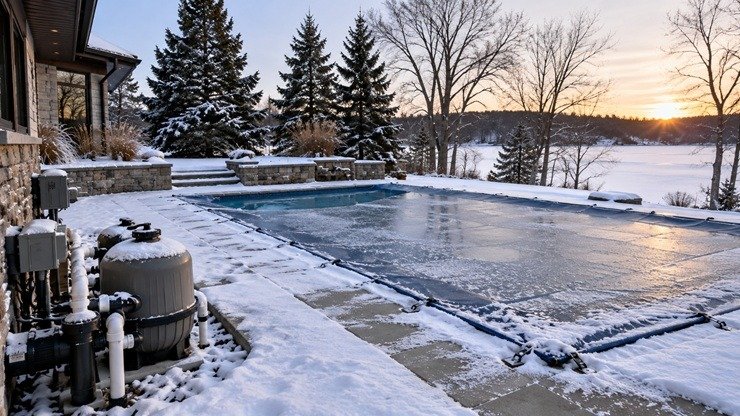
Building an in ground pool in a northern climate is less about chasing a perfect catalog shape and more about engineering for deep frost, spring thaws, snow loads, and a short swim season. Before anyone lines a wall or drops a fiberglass shell, the design needs to handle freeze thaw cycles, fluctuating groundwater, and off season care. This article explains the choices that matter most in Minnesota backyards: shell support below the frost line, underdrain and sump details, winterization friendly plumbing, durable coping and decking, and season extending equipment and covers. Understanding these relationships before excavation helps prevent cracked coping, floating liners, and freeze broken fittings while making openings and closings faster and cleaner.
1. Frost Depth Dictates Shell Support, Backfill, and Footings
Frost can move thousands of pounds of soil. That movement telegraphs into the pool structure unless the base, collar, and backfill are built to resist it. For homeowners researching Inground Pools MN, start with a stable sub base of compacted, washed stone rather than native clay, and carry structural elements below the frost line. Vinyl liner systems rely on steel or polymer wall panels braced with A frames and locked in by a concrete collar; fiberglass shells depend on a level, compacted gravel bed and clean, self draining backfill to avoid frost lift. In both cases, consistent compaction of the overdig is crucial so the surrounding soils do not heave against the walls.
Material choice also changes how the installation tolerates seasonal movement. A one piece fiberglass shell offers some flexibility and a smooth gelcoat, but it must sit on a uniform, nonfrost susceptible base and be backfilled with the same material used under the shell. A vinyl liner pool allows custom shapes and can use a vermiculite or cementitious floor under the liner, yet liner fit will reveal even minor shifts in the base. Shotcrete or gunite shells with a reinforced bond beam are rigid and durable, but they need careful steel placement and a frost aware mix at the top of the wall where coping attaches. On expansive clay, a thicker, well compacted stone base and careful water management reduce movement for any shell type.
2. Groundwater Control: Underdrains, Sump Wells, and Relief Valves
In spring, rising groundwater can push a shell upward or float a liner. An underdrain system solves that by collecting water beneath the deep end and directing it to a sump well. A simple standpipe with a secure cover lets you check the water level and pump it down before it lifts the pool floor. Concrete and fiberglass pools can also use a hydrostatic relief valve in the main drain sump so water can enter the pool when outside pressure rises, equalizing buoyancy forces. Geotextile behind the walls and washed, open graded backfill help prevent fine soil from migrating into the drain stone.
Consider a lakeside lot after a week of heavy rain and rapid snowmelt. The surrounding yard saturates, and the water table spikes. Without a sump well, a vinyl liner floor can bubble or “float,” wrinkling the liner. With a sump, you can lower the level beneath the pool to keep the floor seated. For fiberglass, a properly placed relief fitting at the low point and a pump out sump reduce the risk of the shell shifting. These are low visibility details that protect the most visible surfaces.
3. Winterization Access: Plumbing Layout, Skimmers, and Equipment Pads
Freeze protection is easier when the plumbing layout anticipates it. Slope return and suction lines toward known drain points, use sweep fittings to improve air flow during blowouts, and keep low spots accessible with unions and caps. At the equipment pad, unions on the pump, filter, and heater, and true union valves with drain plugs, let you disassemble and drain quickly. A bypass loop around a heater protects the heat exchanger during closing and gives flexibility during shoulder seasons. Skimmers should accept threaded expansion plugs or winterizing devices so the housing does not crack when ice forms.
Two preventable mistakes appear every fall. First, leaving water trapped in a skimmer throat or at a hidden low spot can split the fitting when it freezes. Use compressed air to purge lines until you see bubbles at each return, then seal with plugs and add pool grade, nontoxic antifreeze designed for winterizing. Second, setting equipment directly on soil invites frost heave and ice buildup. A level, free draining gravel bed or a frost protected pad keeps pumps and filters stable and dry, improving longevity and simplifying service access under snow.
4. Decking and Coping That Survive Freeze Thaw Cycles
Deck movement is where many cold climate pools show their age. Poured concrete needs correctly spaced control joints and a true isolation joint with elastomeric mastic around the pool’s bond beam or coping, so deck slabs can move without prying on the shell. A cantilever edge must be formed and finished to avoid thin, fragile lips. If you set coping stones, bed them on mortar designed for exterior freeze thaw use, and back them up with a stable, well compacted substrate that sheds water away from the pool edge.
Segmental pavers can be a smart alternative because they are built to flex. Use an open graded base and setting bed, edge restraints, and polymeric sand to keep joints interlocked while allowing small seasonal shifts. Choose coping and deck materials with a freeze thaw durability rating; dense porcelain pavers and certain granites perform well, while some soft limestones can spall. Avoid deicing salts near the pool to prevent scaling and surface damage, and pitch the deck with a slight, even slope away from the waterline so meltwater does not refreeze at the coping.
Extending a Short Season: Heaters, Covers, and Enclosures
In a northern climate, warm water days are precious. Gas heaters raise water temperature quickly during cool snaps, which suits weekend use in spring and fall. Air source heat pumps are efficient in mild weather but lose output as air temperatures drop, so they shine in midseason. Regardless of heat source, a cover matters more than most owners expect. An automatic safety cover or a fitted solar cover curbs evaporation and convective heat loss, often making the difference between a usable May evening and a chilly one.
Covers also change off season care. In a leaf heavy urban yard, an automatic cover can keep debris out daily, but it collects rain and snowmelt that should be pumped off to protect the mechanism and reduce water displacement. Mesh safety covers, anchored to the deck, shed snow well and do not need pumping, but they allow fine debris and some light through, which can mean a slightly greener opening. The trade off is convenience and cleaner water during the swim season versus simpler winter management. In some yards, a modest windbreak or retractable enclosure adds a few comfortable weeks without the energy draw of constant heating.
Cold climate pools succeed when the hidden, structural decisions match local conditions. A base and backfill that ignore frost, a shell without drainage protection, or plumbing that cannot be blown out will shorten a pool’s life no matter how beautiful the tile or coping. On the other hand, frost aware footings, a sump well and hydrostatic relief, winterization friendly equipment, durable decking details, and a heat and cover plan give Minnesota owners more swim days and fewer repairs. If you are considering an in ground pool, ask early about these specifics, then design the shape and finishes around a system that can handle winter as well as summer.











How to Build an Investment Plan That Can Handle Market Swings

How Coastal Storms Overwhelm Residential Pipes During Drain Cleaning in Miami

How Skin Renewal Microneedling at Anne Therese Transforms Dull Skin

Natural Remedies Are Shaping the Next Generation of Mindful Lifestyles

What Visitors Should Know About Miami Roads, Rental Cars and Road Accidents

5 Signs You’re Not Just Busy, You’re Overwhelmed

How Hiring Emergency Water Damage Restoration Service Prevents Structural Rot

Planning a Lahore Heritage Break with Time to Explore

How Small Businesses Can Make Cross-Border Payments Faster, Clearer, and More Reliable

How Tampa Businesses Can Choose a Commercial Location

100 Motivational Quotes to Inspire You in 2026

How to Create a Vision Board That Actually Works (2026)

22 Best Self-Help Books to Read in 2026

How to Achieve Personal Growth in 2026

New Year Wishes and Quotes to Inspire and Celebrate (2026)

Loeb Smith reviews: Why Crypto Licensing Demands Patience, Structure, and Skepticism

How to Leverage Personal Development for Career Advancement

Top Fitness Coach Certification Programs for Aspiring Trainers

From Denver to Vail: Secrets, Snow, and Soul of the Rockies

How to Choose the Best Manali Tour Package for a Family-Friendly Vacation?
-

 Motivation6 years ago
4 Fun New Hobbies To Try This Year
-

 Quotes4 years ago
53 Motivational Gym Quotes to Fuel Gym Workout
-

 Quotes11 years ago
50 Most Powerful Quotes Ever Spoken
-

 Travel2 years ago
Why You Should Travel More: The Many Benefits of Seeing the World
-
 Quotes10 months ago
100 Motivational Quotes to Inspire You in 2026
-

 Quotes3 years ago
43 Inspirational Quotes About Thoughts
-

 Quotes4 years ago
Motivational Quotes by Famous People
-

 Quotes1 year ago
100 Motivational Quotes to Start Your Day with Positivity