
Motivation
Building Emotional Resilience Helps Individuals Overcome Sudden Traumatic Setbacks

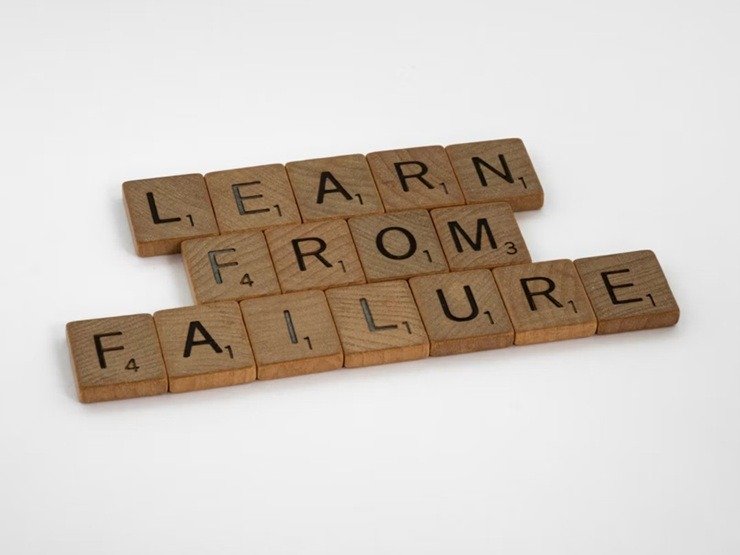
Experiencing sudden physical trauma or unexpected life disruptions challenges your sense of control, requiring deliberate psychological coping mechanisms, habit rebuilding, and structured recovery frameworks. Life can shift in a single second, leaving you stranded in a reality you never planned for.
Stepping forward from that initial shock takes more than mere willpower. Building a deliberate psychological framework lets you reclaim your trajectory brick by brick, transforming overwhelming chaos into manageable daily action.
How Do You Build an External Support System?
Carrying the weight of a major life disruption entirely on your own guarantees burnout. Recovery logistics, medical appointments, and financial paperwork quickly accumulate into a mountain of stress that outstrips any single person’s capacity. Delegating complex external stress factors to experienced advocates lets you focus your limited energy strictly on physical and emotional healing. Navigating legal and insurance hurdles following an accident becomes significantly more manageable when you rely on the team at Malloy Law to handle the heavy lifting. Surrounding yourself with trusted family members, medical professionals, and specialized advocates creates a reliable safety net. Clear communication with your support network prevents misunderstandings and ensures everyone pulls in the same direction.
Strengthening Your Professional Network
- Identify key advocates: List the medical providers, legal experts, and family members who can take charge of specific logistical domains.
- Delegate specific tasks: Assign discrete responsibilities, such as managing insurance claims or coordinating care schedules, to capable allies.
- Maintain open communication: Update your support team regularly on your changing needs so they can adjust their assistance accordingly.
Why Do Sudden Traumatic Setbacks Shatter Your Sense of Control?
When unexpected adversity strikes, your brain interprets the disruption as a direct threat to your safety and predictability. Panic sets in because your internal map of the world no longer matches your current circumstances. You find yourself questioning every assumption you held about your future, your health, and your daily routine.
Untangling this initial shock requires recognizing that feeling disoriented is a normal neurological response. Slow-paced breathing and concrete sensory grounding techniques lower acute stress and restore usable mental capacity during major disruptions, as explained on Resilientselfgrowth.com. These grounding exercises act as an anchor, bringing your awareness back to the present moment rather than letting your thoughts spiral into catastrophic projections.
Accepting the reality of the disruption marks the first true milestone in your recovery. Resisting the change only prolongs the psychological toll. By pausing to acknowledge the new baseline, you clear the mental space required to evaluate your options with a steadier head.
How Can You Shift From Shock to Constructive Personal Agency?
Moving past the initial paralysis means trading sweeping, impossible questions for small, immediate victories. When your entire world feels upended, trying to fix everything at once leads right back to exhaustion. Breaking your recovery down into manageable increments restores a vital sense of command over your daily life.
Setting progressive micro-goals allows you to rebuild momentum without overwhelming your healing nervous system. Focus exclusively on the next hour or the next simple task. Completing these bite-sized objectives signals to your brain that you are still capable of taking effective action.
Crafting Daily Actionable Milestones
- Establish morning stability: A predictable wake-up routine or a quiet cup of tea provides an anchor point when the rest of your day feels unpredictable.
- Track small wins: Write down three minor tasks you completed each day to visually reinforce your growing agency.
- Limit news consumption: Restricting your exposure to constant updates prevents your nervous system from recycling acute stress.
What Role Does Emotional Resilience Play in Long-Term Adaptation?
Developing emotional resilience is not about ignoring pain or pretending everything is fine. Real resilience involves absorbing the blow and systematically learning how to adapt your internal strategies to meet harsh new realities. As seen on Open Arms Wellness, research shows that controlled breathing exercises can reduce stress hormone levels and improve emotional regulation, giving you the biological baseline needed to process difficult emotions.
Practicing self-compassion during this phase changes your entire healing trajectory. Blaming yourself for the disruption or your initial struggle only drains the energy you need for actual recovery. Treating yourself with patience creates the internal safety required to confront hard truths and rebuild your habits.
Managing Internal Emotional Friction
- Acknowledge difficult feelings: Allow yourself to feel frustration or grief without judging your emotional response as a personal failure.
- Refocus mental energy: Direct your attention toward variables you can actually influence rather than ruminating on past events.
- Adjust expectations: Lower your immediate output expectations to match your current physical and mental capacity.
How Do You Sustain Your New Mental Resilience Routines?
Integrating your new coping mechanisms into a permanent lifestyle ensures you remain steady when future challenges arise. Consistency matters far more than intensity when you are reinforcing new mental pathways. Small daily habits compound over time, transforming deliberate coping techniques into automatic responses.
Reviewing your progress weekly helps you identify which mental routines yield the best results for your mindset. When you notice old panic patterns creeping back in, lean immediately on your established grounding techniques. Protecting your mental boundaries safeguards the hard-earned progress you achieved during the darkest phases of recovery.












Why Travellers Are Falling in Love with Europe’s Smaller Cultural Destinations

Building Emotional Resilience Helps Individuals Overcome Sudden Traumatic Setbacks

How to Control AI Claims Automation Costs as Review Volumes and Exceptions Grow

The Mood-Friendly Day: Small Habits for a Steadier, Calmer You

How To Turn One Blog Post Into A Week Of Useful Content

How to Maintain Health and Independence While Ageing in Place

How Australian Businesses Can Overcome Skill Shortages Through Global Recruitment

Electric Scooter On-road Price vs Ex-showroom Price: Understanding the Actual Cost of Purchase

GiftMusic Review: Is a Personalized Song Worth It?

Shipping Decisions Every New Online Store Should Make Before Launch Day

100 Motivational Quotes to Inspire You in 2026

How to Create a Vision Board That Actually Works (2026)

22 Best Self-Help Books to Read in 2026

How to Achieve Personal Growth in 2026

New Year Wishes and Quotes to Inspire and Celebrate (2026)

Loeb Smith reviews: Why Crypto Licensing Demands Patience, Structure, and Skepticism

From Denver to Vail: Secrets, Snow, and Soul of the Rockies

How to Choose the Best Manali Tour Package for a Family-Friendly Vacation?

Your Guide to Building the Life You Want as a Medical Professional

Romantic Cabins In Tennessee: A Guide to Location, Privacy, And Scenic Views
-

 Motivation6 years ago
4 Fun New Hobbies To Try This Year
-

 Quotes4 years ago
53 Motivational Gym Quotes to Fuel Gym Workout
-

 Quotes11 years ago
50 Most Powerful Quotes Ever Spoken
-

 Travel2 years ago
Why You Should Travel More: The Many Benefits of Seeing the World
-
 Quotes10 months ago
100 Motivational Quotes to Inspire You in 2026
-

 Quotes3 years ago
43 Inspirational Quotes About Thoughts
-

 Quotes4 years ago
Motivational Quotes by Famous People
-

 Quotes1 year ago
100 Motivational Quotes to Start Your Day with Positivity