
Business
How To Turn One Blog Post Into A Week Of Useful Content

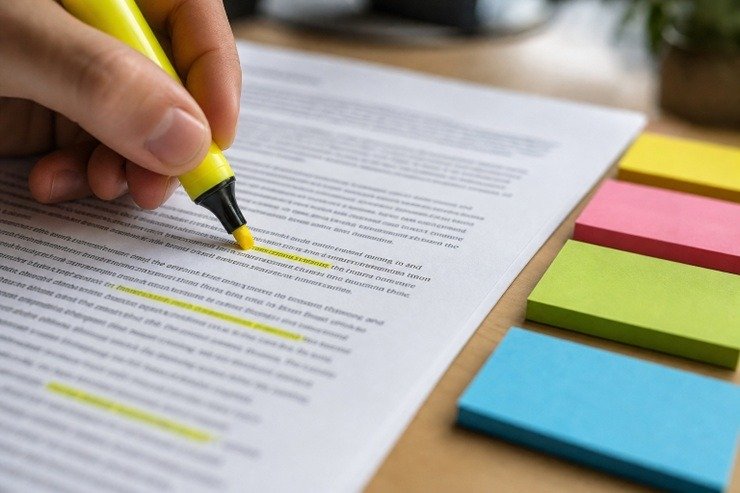
Publishing a strong article is only the beginning. A thoughtful plan for advertising on your blog helps creators put useful ideas in front of readers who may never discover the original post through search alone. Valued Voice provides a guide for bloggers on enhancing audience growth through a combination of organic distribution, paid promotion, guest posting, and outreach. The emphasis is on sharing a well-researched idea in various formats, such as articles, videos, or checklists, to ensure accessibility and usability, rather than saturating channels with repetitive content.
Why One Blog Post Can Support A Full Week
A useful article usually contains far more than one idea. It may include a central argument, several steps, examples, answers to common questions, mistakes to avoid, and a practical conclusion. Each of those elements can become a focused piece of content with a different purpose.
For example, a guide to local marketing could produce a LinkedIn post about one overlooked tactic, an Instagram carousel listing five actions, a short video answering a common question, an email explaining a mistake, and a downloadable checklist. This approach is not about creating more noise. It is about distributing strong work in forms that fit different reading habits.
Choose The Right Source Article
Not all content warrants extensive promotion; choose articles that address genuine questions for a specific audience and offer sufficient depth to support multiple smaller pieces. Avoid topics that are merely opinions, time-sensitive news, or overly simplistic points.
A suitable article should fulfill the following criteria:
- Focus on a single, well-defined topic and target audience.
- Comprise at least three valuable sections, steps, or takeaways.
- Include examples, personal insights, or verified data.
- Provide actionable advice for readers.
- Maintain accuracy upon reassessment before repurposing.
Before dissecting an article, ensure it offers unique value rather than generic information, and that it adheres to Google’s principles for helpful, reliable, people-first content focused on clarity, soundness, and genuine reader benefit.
Build A Content Repurposing Map
Create a map before drafting captions or recording videos. This prevents repetition and helps every format deliver a distinct benefit. Read through the finished post and pull out the pieces that can stand alone.
- Write the article’s main argument in one sentence.
- List every major section, step, example, and question.
- Highlight one surprising observation or useful statistic.
- Mark any story, checklist, framework, or common mistake.
- Assign each item a format and a goal.
For instance, use the main argument for a discussion post, turn a process into a carousel, use a statistic in a graphic, make a mistake into an email lesson, and develop a practical example into a guest-post pitch. One source can support several channels when every version has a clear job.
Follow A Seven-Day Content Schedule
- Monday: Publish the main article and share its central lesson.
- Tuesday: Post one practical tip drawn from a major section.
- Wednesday: Share a visual list, quote, statistic, or mini-checklist.
- Thursday: Record a short video answering one reader’s question.
- Friday: Send an email expanding on a common concern or mistake.
- Saturday: Share a behind-the-scenes example or a quick implementation checklist.
- Sunday: Ask the audience a question that reveals what they need next.
Spacing content across the week gives people multiple chances to engage without making the campaign feel repetitive. It also creates room to respond to comments and use audience feedback in the next post.
Match Ideas To The Right Format
Repurposing fails when every platform receives the same caption and link. Adapt the message to the setting. LinkedIn works well for a professional lesson or brief case example. Instagram favors visual carousels and concise videos. Email can carry a more personal explanation. Facebook supports conversational prompts, while Pinterest suits checklists and step-by-step visual guides.
For professional posts, use LinkedIn’s content-sharing best practices to make the opening clear, provide value before asking for a click, and use analytics to learn what starts meaningful conversations.
Use AI Without Losing Your Voice
AI can speed up the mechanical parts of content repurposing. It can extract themes, suggest hooks, turn a list into a video outline, or create a first draft of an email. It cannot replace subject knowledge, judgment, or a believable point of view.
Human Review Checklist
- Verify every claim, date, and statistic.
- Remove vague filler and repeated phrases.
- Add real examples, opinions, and context.
- Rewrite generic openings in a natural voice.
- Ensure each piece is useful even if the reader never visits the original article.
Create Fresh Guest Content
A strong section can also serve as a guest post, but it must be rewritten for the host publication’s audience. Choose an angle that solves one of its readers’ problems, use a fresh headline, add different examples, and avoid treating the piece as an advertisement. A relevant link should support the reader’s next step, not interrupt the article with a sales pitch.
Measure Results That Matter
Track performance in a simple spreadsheet with columns for format, publication date, reach, engagement, clicks, and next action. Watch email replies, video watch time, social profile visits, referral traffic, newsletter signups, downloads, inquiries, and conversions. Pageviews matter, but they do not show whether the content helped someone take action.
Avoid Common Mistakes
- Copying the same wording across every channel.
- Publishing all derivative content within a few hours.
- Using unverified statistics or outdated examples.
- Making every post promotional instead of useful.
- Letting AI remove personality and specificity.
- Creating short content that is too shallow to help.
Conclusion
A strong blog post should keep working after publication day. With a content map, platform-specific formats, a realistic weekly schedule, and careful measurement, a single article can generate a week of useful communication. Focus on making each idea easier for the right reader to discover and apply, rather than publishing more simply for the sake of volume.






The Mood-Friendly Day: Small Habits for a Steadier, Calmer You

How To Turn One Blog Post Into A Week Of Useful Content

How to Maintain Health and Independence While Ageing in Place

How Australian Businesses Can Overcome Skill Shortages Through Global Recruitment

Electric Scooter On-road Price vs Ex-showroom Price: Understanding the Actual Cost of Purchase

GiftMusic Review: Is a Personalized Song Worth It?

Shipping Decisions Every New Online Store Should Make Before Launch Day

Seven Essential Tools That Define Success in Remote Customer Service Careers

Why Clients Frequently Ask Does Insurance Cover Iop Services

Why Executive Chefs Recommend Enrolling in a Culinary School in Pasadena Before Opening a Restaurant

100 Motivational Quotes to Inspire You in 2026

How to Create a Vision Board That Actually Works (2026)

22 Best Self-Help Books to Read in 2026

How to Achieve Personal Growth in 2026

New Year Wishes and Quotes to Inspire and Celebrate (2026)

Loeb Smith reviews: Why Crypto Licensing Demands Patience, Structure, and Skepticism

From Denver to Vail: Secrets, Snow, and Soul of the Rockies

How to Choose the Best Manali Tour Package for a Family-Friendly Vacation?

Your Guide to Building the Life You Want as a Medical Professional

Romantic Cabins In Tennessee: A Guide to Location, Privacy, And Scenic Views
-

 Motivation6 years ago
4 Fun New Hobbies To Try This Year
-

 Quotes4 years ago
53 Motivational Gym Quotes to Fuel Gym Workout
-
 Quotes11 years ago
50 Most Powerful Quotes Ever Spoken
-

 Travel2 years ago
Why You Should Travel More: The Many Benefits of Seeing the World
-
 Quotes10 months ago
100 Motivational Quotes to Inspire You in 2026
-

 Quotes3 years ago
43 Inspirational Quotes About Thoughts
-

 Quotes4 years ago
Motivational Quotes by Famous People
-
 Quotes1 year ago
100 Motivational Quotes to Start Your Day with Positivity