
Legal
What Happens When You’re Injured During a Guided Tour?

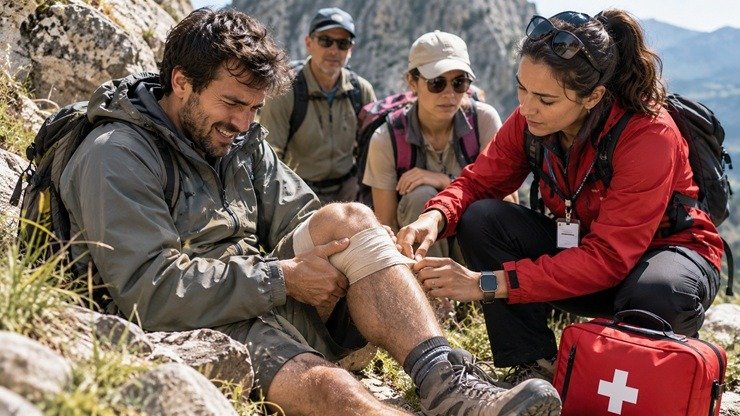
Guided tours can create happy memories, but accidents can happen while you’re in transit or on-site. Navigating the situation can be difficult for everyone involved. If you get hurt during a guided tour, you may have to deal with medical bills, additional travel costs, and other unexpected expenses, plus pain and disappointment. Finding out who is accountable for the mishap and protecting your rights will help you recover fully. Below, we’ll discuss what happens when you’re injured on a guided tour and how to respond to reclaim your peace of mind.
What Is a Guided Tour?
The words “guided tour” refer to a broad range of structured excursions that are led by a knowledgeable escort. They’re typically a couple of hours long, but the duration can vary. Participants can choose to take walking tours, bus tours, boat trips, and more to visit everything from historical landmarks to natural wonders to museums to vineyards and much more. Some trips, like a coach ride through the countryside, will be leisurely, while others, like a glacier adventure trip, will be riskier and more rigorous.
When you’re part of a guided tour, the operator will manage the itinerary and may also be responsible for transportation, meals, and accommodations. Usually, the provider will be legally obligated to provide a safe experience led by qualified, properly trained guides. Participants should receive advice about how to behave and avoid any risks before the tour begins.
How Do Injuries Happen on Guided Tours?
When people get hurt on guided tours, it’s usually due to a lack of supervision or instruction, a safety oversight, or an equipment failure. Guides sometimes forget to share information about possible hazards or behavior to avoid during a tour. If the trip involves using specialized gear or carries allergy or other safety risks, the leader will need to ensure that all equipment is safe to use and explain how to take measures to avoid danger.
Bad weather, poor lighting, rough terrain, overcrowding, food poisoning, and vehicle crashes are other dangers people may encounter on guided tours. However, although tour operators are responsible for keeping tourists reasonably safe, participants must also do their part to avoid harm. If you get hurt after engaging in risky behavior or ignoring safety warnings, your tour operator is unlikely to be liable for your injuries.
What Should I Do If I Get Injured During a Guided Tour?
If you get injured during a guided tour, the event may pause or stop altogether depending on the seriousness of the incident. You should make sure your guide knows you’re hurt and seek professional medical attention as soon as possible, even if your injuries seem minor. Your guide should make sure that you’re in a safe location and do everything possible to prevent the situation from worsening. You’ll also need to document what happened with photos of your injuries and the scene and make notes about what happened. Also, be sure to collect the contact information of any other participants who witnessed your injury.
Eventually, you’ll need to figure out who is responsible for the mishap, so avoid signing any documents that could prevent you from seeking compensation later. Depending on the circumstances, several parties could be liable, including the tour company, its transportation and staffing partners, equipment manufactures, and venue owners.
Keep a record of all expenses related to the incident, including medical treatment, additional accommodation, and transportation costs. Be sure to save all documents related to your injury, including receipts for expenses and bills and your medical records. Keep copies of correspondence like emails, text messages, phone calls, and letters with the tour company, and your doctors. Taking these steps helps to protect your rights if you want to seek compensation.
Who Covers My Expenses and Medical Bills?
After you’re injured on a guided tour, you may want to seek compensation for expenses like emergency medical care, medication, and ongoing treatment. You may also want to seek compensation for lost income and severe or permanent physical and emotional distress.
If your own actions caused the accident, you may be responsible for some or all of the resulting costs. The financial responsibility may also depend on the circumstances of the incident, the terms of your tour agreement, and the laws that apply to the excursion. If another party’s negligence contributed to your injuries, you may be able to seek compensation for medical treatment, transportation, accommodation, and other related expenses.
If you can prove that the tour operator’s negligence, an equipment failure, or another unsafe situation directly caused your injury, you may be entitled to seek compensation from the responsible party.
How to Prove Fault
When you think a tour operator, equipment manufacturer, property owner, or some other party is responsible for an injury you experience during a guided excursion, you’ll want them to cover your bills. To do this successfully, you’ll need to prove that the party in question was obligated to keep you safe and failed to do so in a way that caused your injury. Showing how they violated safety protocols, policies, and regulations, provided faulty or insufficient safety equipment, or otherwise placed you in harm’s way is key to claiming damages successfully. A skilled personal injury lawyer like those at Thomas Law Offices can review the situation and help secure compensation for your injuries.
What If I Signed a Waiver?
Guided tour operators can risk ruining their business if they are held responsible for an accident during an excursion. To minimize this risk, many companies require participants to sign liability waivers before the tour begins. These documents are meant to prevent companies from having any financial responsibility for a tour-related injury.
If you signed a liability waiver before going on a guided tour and getting injured during the excursion, seeking compensation can be difficult. In some circumstances, however, you may still be able to claim compensation successfully. Waivers with language that is unclear, inconsistent, contradictory, or in violation of the law are generally not enforceable. If you can prove gross negligence or intentional malfeasance, you can usually take legal action to recover damages. A personal injury attorney can help you determine how likely you are to win your case.
Protect Your Rights and Your Future
Getting injured on a guided tour is always unfortunate, but taking action to protect your interests can help you recover fully. Seeking out medical care immediately and consulting with a personal injury lawyer can help you minimize harm and come out on top.













What Happens When You’re Injured During a Guided Tour?

Westchester Airport Car Rental (HPN): Guide, Tips, Pricing

Why Travellers Are Falling in Love with Europe’s Smaller Cultural Destinations

Building Emotional Resilience Helps Individuals Overcome Sudden Traumatic Setbacks

How to Control AI Claims Automation Costs as Review Volumes and Exceptions Grow

The Mood-Friendly Day: Small Habits for a Steadier, Calmer You

How To Turn One Blog Post Into A Week Of Useful Content

How to Maintain Health and Independence While Ageing in Place

How Australian Businesses Can Overcome Skill Shortages Through Global Recruitment

Electric Scooter On-road Price vs Ex-showroom Price: Understanding the Actual Cost of Purchase

100 Motivational Quotes to Inspire You in 2026

How to Create a Vision Board That Actually Works (2026)

22 Best Self-Help Books to Read in 2026

How to Achieve Personal Growth in 2026

New Year Wishes and Quotes to Inspire and Celebrate (2026)

Loeb Smith reviews: Why Crypto Licensing Demands Patience, Structure, and Skepticism

From Denver to Vail: Secrets, Snow, and Soul of the Rockies

How to Choose the Best Manali Tour Package for a Family-Friendly Vacation?

Your Guide to Building the Life You Want as a Medical Professional

Romantic Cabins In Tennessee: A Guide to Location, Privacy, And Scenic Views
-

 Motivation6 years ago
4 Fun New Hobbies To Try This Year
-

 Quotes4 years ago
53 Motivational Gym Quotes to Fuel Gym Workout
-

 Quotes11 years ago
50 Most Powerful Quotes Ever Spoken
-

 Travel2 years ago
Why You Should Travel More: The Many Benefits of Seeing the World
-
 Quotes10 months ago
100 Motivational Quotes to Inspire You in 2026
-

 Quotes3 years ago
43 Inspirational Quotes About Thoughts
-

 Quotes4 years ago
Motivational Quotes by Famous People
-

 Quotes1 year ago
100 Motivational Quotes to Start Your Day with Positivity