
Lifestyle
Feeding for Recovery: What Helps Horses Bounce Back After Hard Work

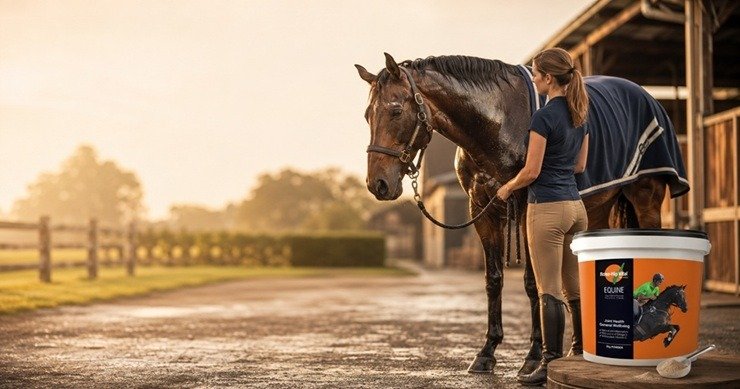
A horse coming off a tough cross-country round or a long day working cattle needs more than a hose-down and a stall to stand in. What happens in the hours after hard work matters almost as much as the work itself. Muscles have been broken down and need repair, energy stores are depleted, electrolytes have left the body through sweat, and a certain amount of inflammation has set in around the joints and soft tissue. Feed the recovery well and a horse comes out the other side tighter, sounder, and ready for the next session. Ignore it, and you end up managing stiffness, poor appetite, and slower comebacks than you should have to.
Why Recovery Nutrition Actually Matters
Hard exercise is, in a real sense, controlled damage. Muscle fibers develop microscopic tears during exertion, which is normal and even necessary since that’s how muscle adapts and strengthens. But repair needs raw materials, mainly protein and amino acids, and it needs them reasonably soon after the damage happens. At the same time, glycogen, the stored form of energy in muscle, gets used up during a hard ride and has to be replenished from the diet. Add in the inflammation that follows exertion, plus sweat losses that can be substantial on a hot day, and it’s clear why the feeding plan right after work carries real weight. Skip this window regularly and a horse that never quite recovers from one hard day to the next accumulates fatigue, soreness, and a rising risk of injury.
Replacing What Sweat Takes Away
Horses sweat heavily, more per pound than most other mammals, and that sweat carries sodium, chloride, and potassium out along with the moisture. A horse that’s worked hard in the heat, or even in cool weather over a long session, can lose enough electrolytes to affect muscle function and appetite. This is part of why a tired horse sometimes won’t touch his hay: the electrolyte imbalance itself can blunt thirst and hunger, exactly the wrong outcome when the body needs food and water most.
Plain salt covers some of this, but an electrolyte supplement formulated for horses, given in the feed or water after a hard session, replaces the specific mix lost in sweat more completely. Offering electrolytes reasonably soon after finishing, rather than waiting until the next feeding, gets the horse drinking and eating again faster.
Protein and Amino Acids for Muscle Repair
Protein quality matters more here than protein quantity. A horse doesn’t need to be overloaded with crude protein after work, but it does need the right building blocks so muscle tissue can rebuild efficiently. Amino acids, especially ones the body can’t make on its own such as lysine and threonine, are the actual components used in repair. A feed that’s marginal in these can leave a horse with adequate protein numbers on paper but poor muscle recovery in practice.
Good quality forage forms the base, but horses in regular hard work often benefit from a concentrate or ration balancer formulated with these amino acids in mind. A knowledgeable feed store or an equine nutritionist earns their keep here, since matching protein quality to actual workload avoids both underfeeding and unnecessary excess.
Managing Inflammation After Exercise
Some inflammation after work is normal and even useful, since it’s part of how the body signals repair. Too much, though, shows up as stiffness and soreness that lingers into the next day. Omega-3 fatty acids, found in flaxseed and certain marine-derived supplements, are widely recognized for supporting a more balanced inflammatory response, and horses in hard work generally benefit from a diet leaning toward omega-3s rather than the omega-6-heavy profile of many grain-based feeds.
Feed quality plays a bigger role than owners tend to credit. Moldy hay or grain that’s been sitting too long can work against recovery by adding an inflammatory burden on top of what exercise already created. Checking feed quality is one of the cheapest, easiest wins in a recovery plan.
Hydration Basics That Are Easy to Get Wrong
Dehydration slows everything, muscle repair included, and compounds any electrolyte imbalance already in play. A horse that’s sweated heavily needs access to clean, appealing water immediately, and some horses drink better from water that’s slightly warm rather than icy cold. Soaked hay or a wet mash adds meaningful moisture on top of drinking, which matters for reluctant drinkers.
It helps to watch how much a horse drinks after a hard outing rather than assume it’s fine. A horse that barely touches the bucket within the first hour or two is worth a closer look, often an early sign hydration needs more attention.
Where Joint Support Fits Into the Bigger Picture
Hard work puts real stress on joints, on top of the muscle fatigue already discussed, and that stress adds up over a competition season. Nutrients like copper, zinc, and omega-3s play a role in maintaining joint tissue, and a daily joint-support supplement is a reasonable addition for horses in regular hard work, alongside the recovery basics rather than instead of them. Options built around rosehip for joint and inflammatory support, using GOPO from Rosa Canina rosehip, are one route some owners take. It won’t replace good electrolyte and protein management, but it covers a piece of the puzzle that those alone don’t.
The Bottom Line
Recovery nutrition isn’t complicated, but it does require a bit more intention than just turning a tired horse out with the usual hay ration. Electrolytes to replace what sweat took, quality protein for muscle repair, feed that doesn’t add to inflammation, and genuine attention to hydration cover most of the ground. Joint support is a smaller piece, best treated as one habit among several rather than a fix on its own. Build these into a consistent daily routine, not just a post-competition scramble, and most horses in hard work bounce back faster and stay sounder for the long haul.













Feeding for Recovery: What Helps Horses Bounce Back After Hard Work

Why Local Businesses in Houston Utilize Storage Units Houston Tx for B2B Operations

Think Outside the Brief: How Taking Creative Risks Can Help a Brand Stand Out

How Securing Long Island Event Rentals Prevents Last-Minute Weather Delays

What Happens When You’re Injured During a Guided Tour?

Westchester Airport Car Rental (HPN): Guide, Tips, Pricing

Why Travellers Are Falling in Love with Europe’s Smaller Cultural Destinations

Building Emotional Resilience Helps Individuals Overcome Sudden Traumatic Setbacks

How to Control AI Claims Automation Costs as Review Volumes and Exceptions Grow

The Mood-Friendly Day: Small Habits for a Steadier, Calmer You

100 Motivational Quotes to Inspire You in 2026

How to Create a Vision Board That Actually Works (2026)

22 Best Self-Help Books to Read in 2026

How to Achieve Personal Growth in 2026

New Year Wishes and Quotes to Inspire and Celebrate (2026)

Loeb Smith reviews: Why Crypto Licensing Demands Patience, Structure, and Skepticism

From Denver to Vail: Secrets, Snow, and Soul of the Rockies

How to Choose the Best Manali Tour Package for a Family-Friendly Vacation?

Your Guide to Building the Life You Want as a Medical Professional

Romantic Cabins In Tennessee: A Guide to Location, Privacy, And Scenic Views
-

 Motivation6 years ago
4 Fun New Hobbies To Try This Year
-

 Quotes4 years ago
53 Motivational Gym Quotes to Fuel Gym Workout
-

 Quotes11 years ago
50 Most Powerful Quotes Ever Spoken
-

 Travel2 years ago
Why You Should Travel More: The Many Benefits of Seeing the World
-
 Quotes10 months ago
100 Motivational Quotes to Inspire You in 2026
-

 Quotes3 years ago
43 Inspirational Quotes About Thoughts
-

 Quotes4 years ago
Motivational Quotes by Famous People
-

 Quotes1 year ago
100 Motivational Quotes to Start Your Day with Positivity